

Why Silicone Heat Transfer is the Next Big Thing in Tech
Find top-quality silicone heat transfer materials that meet your project requirements. Our solutions provide excellent performance and are built to last.
1. What Even Is Silicone Heat Transfer?
Silicone heat transfer refers to using silicone-based materials to manage, dissipate, or redirect heat in devices. Unlike traditional metals or plastics, silicone is lightweight, flexible, and crazy efficient at handling extreme temperatures. Think of it as the Swiss Army knife of thermal solutions: it can conform to weird shapes, insulate delicate parts, and survive temperatures from -60°C to 230°C (-76°F to 446°F).
Why it matters: Overheating is the Achilles’ heel of modern tech. From melting smartphones to overheating EV batteries, silicone’s ability to keep things cool is solving problems we didn’t even know we had.
2. The Big Players: How Apple, Tesla, and NASA Are Using Silicone to Win
Silicon Valley isn’t just a metaphor anymore. Major brands are betting big on silicone heat transfer:
-
Apple: Rumor has it the next-gen MacBooks will use silicone thermal pads to keep M3 chips frosty under pressure.
-
Tesla: Their electric vehicle batteries rely on silicone-based thermal interface materials (TIMs) to prevent “thermal runaway” (aka fiery explosions).
-
NASA: Silicone heat-resistant coatings protect spacecraft during re-entry. If it’s good enough for Mars rovers, it’s good enough for your PS5.
Even Samsung and Sony are jumping in, using silicone in 5G antennas and VR headsets to combat heat buildup.
3. The Hot Issues Driving the Silicone Heat Transfer Boom
Sustainability Wars: Silicone vs. Plastics
Plastics are out. Silicone is in. Why? It’s more durable, recyclable, and doesn’t leach toxins when heated (looking at you, cheap phone chargers). Brands like Patagonia and Dyson are pivoting to silicone parts to meet eco-conscious consumer demands.
The Electric Vehicle (EV) Arms Race
EVs are hot—literally. Lithium-ion batteries generate insane heat, and silicone TIMs are the secret sauce keeping Teslas and Rivians safe. With the global EV market set to hit $1.3 trillion by 2028, silicone is the unsung hero of the green revolution.
Gaming and AI Overload
Ever felt your gaming laptop double as a space heater? Companies like ASUS and NVIDIA are embedding silicone thermal compounds in GPUs to prevent meltdowns during marathon gaming sessions or AI computations.
4. The Dark Side: Challenges and Controversies
It’s not all rainbows and heat-resistant unicorns. Critics argue:
-
Cost: High-performance silicone materials can be pricier than traditional options.
-
Durability Debates: Can silicone really outlast metals in extreme conditions? (Spoiler: NASA says yes, but startups are still racing to prove it.)
-
Greenwashing Claims: Some brands slap “silicone” on products without proper recycling infrastructure. Buyer beware!
5. The Future: What’s Next for Silicone Heat Transfer?
- Smart Clothing: Imagine jackets that regulate body heat using silicone membranes. Under Armour is already experimenting.
- Space Tourism: Companies like SpaceX and Blue Origin will rely on silicone to keep tourists from roasting during re-entry.
- Medical Tech: Silicone-based cooling patches for fevers? It’s in development.
If you're facing the challenge of completing complex design drafts with impeccable quality, look no further than PEPHAWK. Our 16 years of experience and our general manager's 31 years of silicone industry involvement make us the ideal choice to solve your difficult and complicated logo design problems. Choose the expertise of PEPHAWK and feel confident in the flawless results that we deliver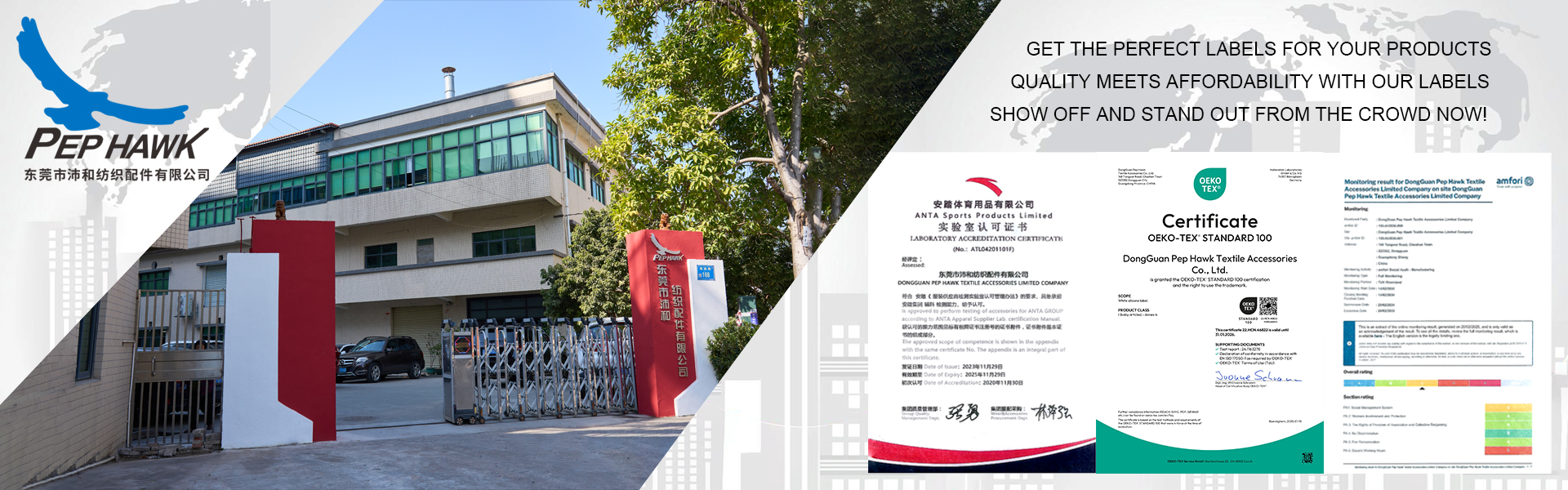
Silicone Heat Patches on Your Hoodie? How Gucci, Nike, and Patagonia Are Making Tech Wearable
Inspiring Examples of Traditional Logos



