Unveiling the Power of Silicone and TPU Heat Transfer Labels in Fashion Design
Find the perfect silicone heat transfer labels for your needs. Our labels offer durability and vibrant colors, ideal for a variety of textile applications.
The Science Behind Silicone Heat Transfer Labels
Material Composition
Silicone heat transfer labels rely on silicone—a material renowned for its elasticity, wear resistance, and weatherproof qualities—as their primary component. Its softness and comfort make it an ideal choice for adding tactile appeal to garments. Additionally, silicone’s versatility allows designers to select variations based on hardness, transparency, and other properties, ensuring alignment with specific design goals.
The transfer carrier typically consists of specialized heat transfer paper, which acts as a temporary medium during the production process. This ensures the silicone adheres smoothly to the fabric without distortion or damage.
Production Process
- Design Plate Making : Using professional software, designers craft intricate patterns tailored to the garment's style and target audience. This step involves creating templates that align with the overall aesthetic and functionality of the piece.
- Silicone Printing : Precise printing techniques are employed to apply silicone ink onto the thermal transfer paper, forming the desired pattern. High accuracy is critical here to maintain clarity and definition.
- Thermal Transfer Operation : The printed pattern is then transferred onto the fabric using heat and pressure. Careful calibration of temperature and pressure settings ensures optimal bonding between the silicone and the fabric.
Key Features
- Strong Three-Dimensional Appeal : Silicone transfers introduce striking visual depth, capturing consumer attention and enhancing brand recognition.
- Durability : Resistant to wear and tear, silicone labels remain intact even after repeated washing, making them perfect for activewear and outdoor apparel.
- Comfortable Texture : Their softness adds a luxurious feel to garments, improving user experience.
However, silicone heat transfer does come with drawbacks:
- High Cost : Due to the complexity of the material and process, this method tends to be more expensive than traditional alternatives.
- Limited Color Range : While visually impactful, silicone transfers may lack the color richness achievable through other methods.
Exploring TPU Heat Transfer Labels
Material Composition
TPU (thermoplastic polyurethane elastomer rubber) stands out for its exceptional strength, flexibility, and environmental compatibility. It offers adaptability in terms of transparency, enabling designers to achieve effects ranging from fully transparent to opaque. Combined with adhesives and supporting materials, TPU ensures secure attachment to various fabrics.
Production Process
- Design and Layout : Similar to silicone labels, TPU designs must align with the intended market and product positioning. This stage focuses on crafting patterns that resonate with consumers.
- TPU Film Production : Through multi-step processes like coating, printing, and die-cutting, the TPU film takes shape according to the specified design. Each phase demands precision to preserve pattern integrity.
- Thermal Transfer Process : Applying controlled heat and pressure, the TPU film is bonded to the fabric. Proper adjustment of parameters guarantees seamless integration while minimizing defects.
Key Features
- Diverse Performance : TPU excels in durability, resisting abrasion, chemicals, and environmental factors. Its lightweight nature makes it suitable for everyday wear and high-performance gear alike.
- Flexible Design Options : From gradients and laser effects to transparent overlays, TPU accommodates a wide range of creative possibilities, empowering designers to push boundaries.
- Environmental Friendliness : As eco-consciousness grows among consumers, TPU’s recyclable and biodegradable properties position it as a sustainable choice.
Despite these advantages, challenges persist:
- Complex Manufacturing : Multiple stages and stringent requirements increase the likelihood of errors if not executed meticulously.
- High Initial Investment : Specialized equipment and expertise drive up costs, necessitating careful budget planning when adopting TPU technology.
Comparing Silicone vs. TPU Heat Transfer Labels
Both silicone and TPU heat transfer labels offer distinct benefits, but they cater to different needs and contexts:
|
Aspect
|
Silicone Heat Transfer
|
TPU Heat Transfer
|
|---|---|---|
|
Texture & Feel
|
Soft, elastic, and comfortable
|
Lightweight, flexible, and adaptable
|
|
Visual Impact
|
Strong three-dimensional effect
|
Versatile designs, including gradients and transparencies
|
|
Durability
|
Excellent wear and wash resistance
|
Superior tensile strength and chemical resistance
|
|
Cost
|
Higher due to complex materials and processes
|
Moderate but requires significant upfront investment
|
|
Environmental Impact
|
Neutral; no major environmental advantages
|
Eco-friendly, aligns with sustainability trends
|
Choosing between these two depends largely on the project’s objectives, target audience, and resource availability.
My Perspective: Striking the Right Balance
As someone who appreciates both innovation and practicality, I believe silicone and TPU heat transfer labels represent exciting advancements in the fashion industry. However, their adoption should be guided by thoughtful consideration of several factors:
-
Target Audience : If your customers prioritize luxury and tactile experiences, silicone might be the better option. Conversely, tech-savvy consumers drawn to cutting-edge designs could gravitate toward TPU.
-
Budget Constraints : While silicone delivers unmatched quality, its higher cost may not always fit within every brand’s financial plan. TPU provides a cost-effective alternative without sacrificing performance.
-
Sustainability Goals : Brands committed to reducing their carbon footprint will find TPU particularly appealing due to its environmentally friendly attributes.
Ultimately, the decision hinges on balancing creativity with feasibility. By leveraging the strengths of each material strategically, designers can craft collections that resonate deeply with their audiences while staying competitive in today’s dynamic market.
Final Thoughts: Elevating Fashion Through Innovation
Silicone and TPU heat transfer labels exemplify how technological progress continues to revolutionize the fashion landscape. They empower designers to experiment boldly, enhance product longevity, and meet evolving consumer expectations. Whether you’re designing sportswear, casual attire, or avant-garde ensembles, incorporating these advanced labeling solutions can set your creations apart.
For professionals navigating this field, staying informed about material science, manufacturing techniques, and emerging trends is crucial. Armed with this knowledge, you’ll be well-equipped to select the best tools for your projects, transforming raw ideas into stunning realities. After all, great fashion isn’t just about aesthetics—it’s about blending artistry, functionality, and foresight into every stitch.
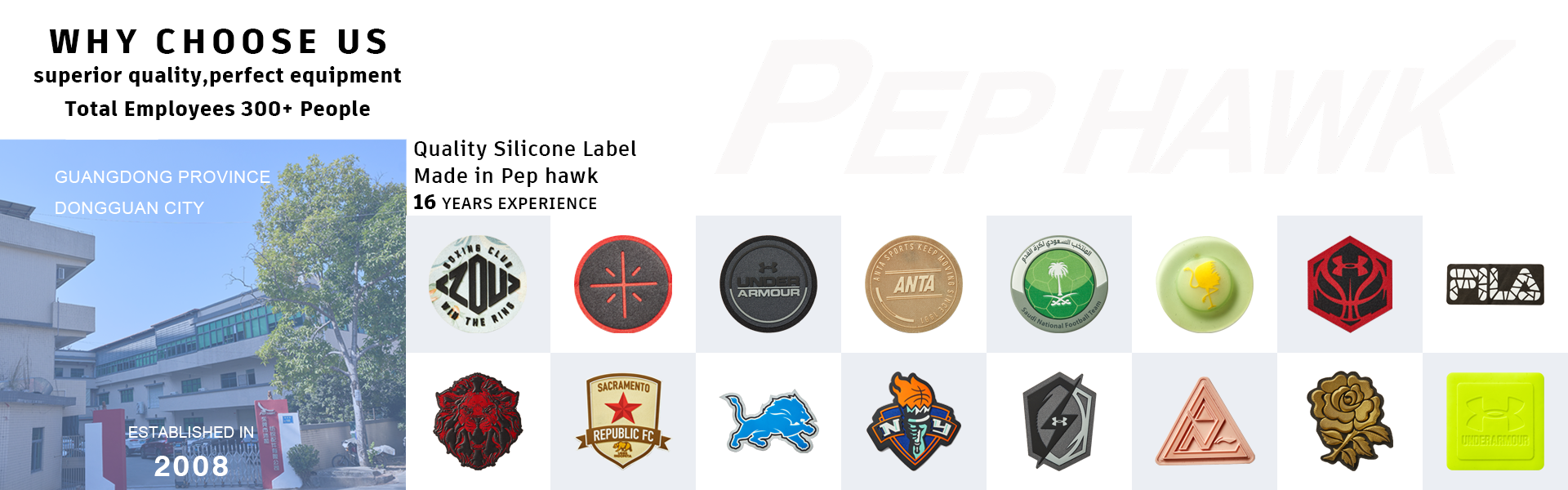
When confronted with the task of producing intricate design drafts of the highest quality, PEPHAWK is here to provide the perfect solution. With over 16 years of industry experience and our esteemed general manager boasting 31 years of expertise in the silicone industry, we are the ultimate choice for tackling your challenging logo design projects. Select PEPHAWK for our unmatched proficiency and rest assured in the impeccable outcomes we consistently deliver.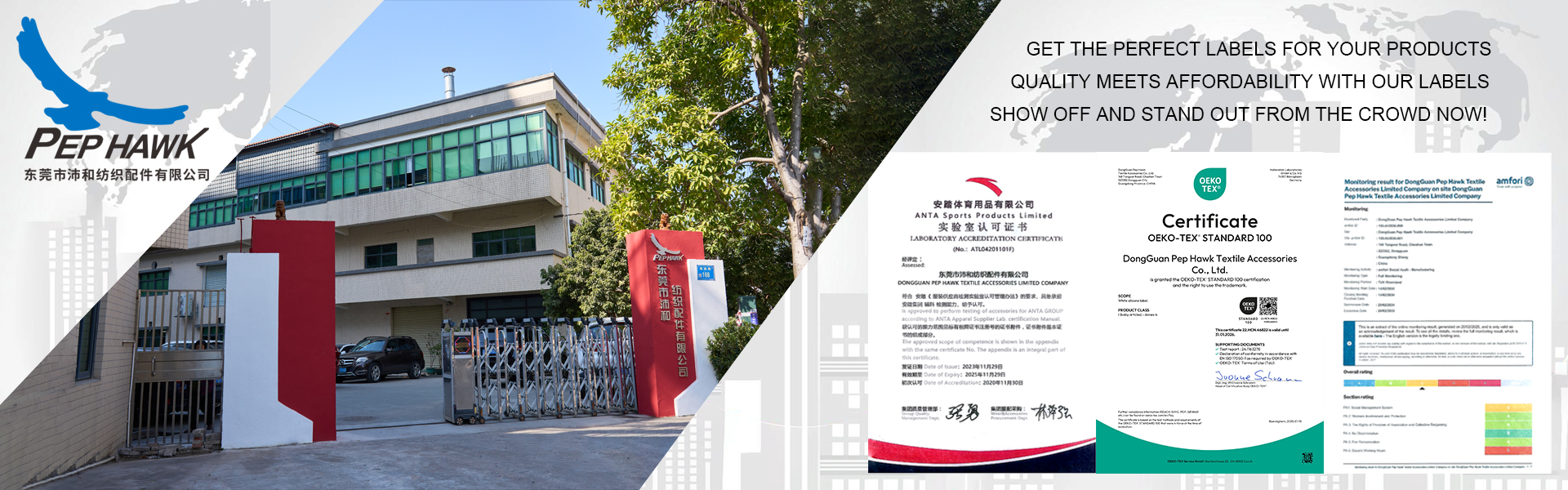
The Art of Heat Transfer Logos: A Comprehensive Guide
The Hidden Artistry Behind Garment Accessories: Where Technology Meets Fashion