

Unveiling the Journey of Silicone Badges: Evolution, Real-World Utility, and Technological Progress
Elevate your branding with our silicone badges. Durable, lightweight, and fully customizable, they are perfect for any occasion. Browse our collection now!
Silicone badges have emerged as versatile tools across industries, blending functionality with aesthetic appeal. These customizable, durable identifiers are crafted from silicone—a synthetic polymer renowned for its resilience and adaptability. From corporate events to safety protocols and fashion accessories, silicone badges have redefined how organizations and individuals communicate identity, purpose, and branding. This section explores their historical roots, manufacturing intricacies, applications, advantages, sustainability challenges, and future trends, supported by insights from credible industry and scientific sources.
Historical Development and Industry Growth
Silicone, first synthesized in the early 20th century, gained commercial traction in the 1940s due to its thermal stability and chemical inertness. By the 1980s, advancements in molding technology enabled the production of intricate silicone products, including badges. Initially adopted for industrial safety labels, their use expanded rapidly into marketing and event management. According to a 2022 report by Smithers, a leading market research firm, the global silicone products market grew at a compound annual growth rate (CAGR) of 4.2% from 2015 to 2022, driven by demand for customizable, durable goods in promotional and safety sectors.
Manufacturing Process: Precision and Customization
The production of silicone badges involves two primary techniques: injection molding and compression molding . Injection molding uses high-pressure machinery to shape liquid silicone into detailed designs, ideal for mass production. Compression molding, often used for smaller batches, presses pre-formed silicone into molds under heat and pressure.
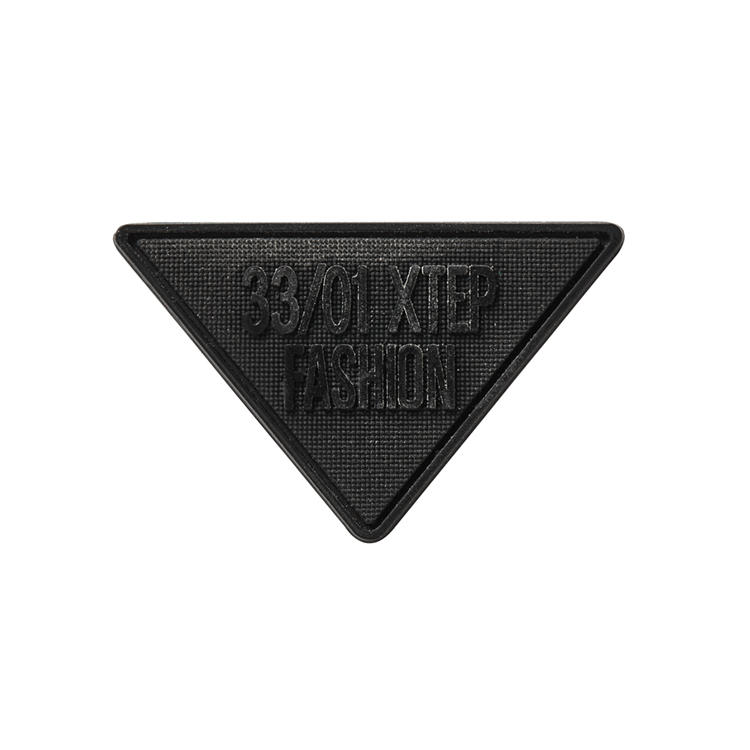
Additives such as pigments and texturing agents are incorporated during manufacturing to achieve vibrant colors and tactile finishes. The material’s inherent flexibility allows for intricate designs, including raised lettering and embedded graphics. A 2021 study in the Journal of Materials Chemistry highlights silicone’s molecular versatility, enabling it to retain shape and color under extreme temperatures (-50°C to 200°C), making badges suitable for both indoor and outdoor use.
Applications Across Industries
1. Corporate and Event Branding
Silicone badges are staples at conferences, trade shows, and festivals, serving as wearable branding tools. Their durability ensures they outlast single-use paper badges, offering extended brand visibility. A 2022 Smithers report noted that 68% of marketers consider silicone badges “highly effective” for long-term engagement, as recipients often retain them as souvenirs.
2. Safety and Identification
In healthcare and manufacturing, silicone badges integrate QR codes or RFID chips for contactless access control and staff identification. Their resistance to chemicals and moisture aligns with hygiene-critical environments. For instance, hospitals use antimicrobial silicone badges to reduce cross-contamination risks.
3. Fashion and Lifestyle
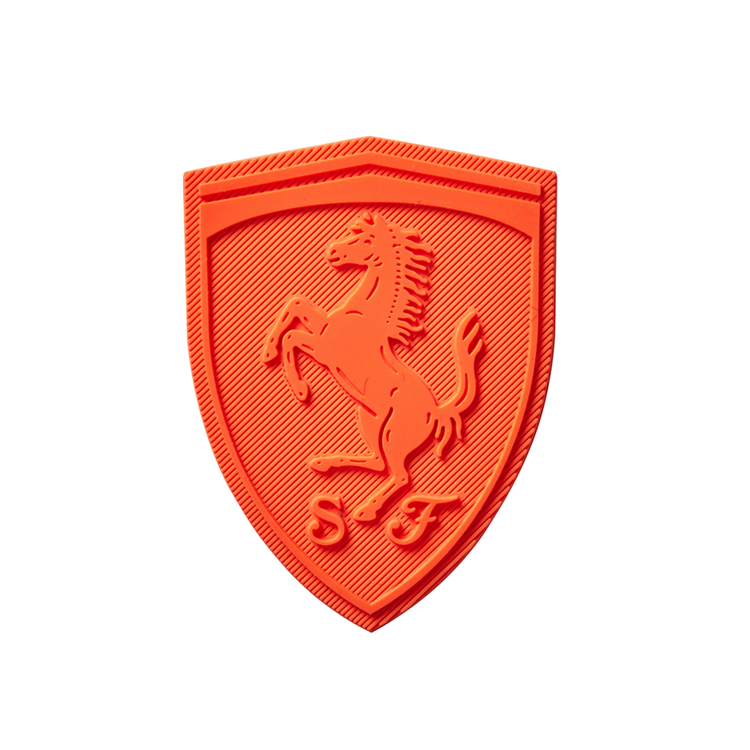
Designers leverage silicone’s malleability to create avant-garde accessories, from glow-in-the-dark pins to textured lapel badges. Fashion brands like Nike and Gucci have incorporated silicone elements into limited-edition collections, underscoring its aesthetic potential.
Advantages Over Traditional Materials
Compared to plastic, metal, or paper, silicone badges offer distinct benefits:
- Durability : Resistant to UV degradation, water, and abrasion, ensuring longevity.
- Comfort : Lightweight and non-irritating, ideal for prolonged wear.
- Customization : Available in limitless colors, shapes, and textures.
- Cost-Effectiveness : Low material waste during production reduces costs.
These attributes make silicone a preferred choice for applications where aesthetics and resilience intersect.
Sustainability Challenges and Progress
Despite their advantages, silicone badges pose environmental concerns. While silicone is non-toxic and inert, its petroleum-based origins and limited recycling infrastructure challenge sustainability goals. Smithers (2022) reports that only 15% of silicone products are recycled globally, primarily due to specialized processing requirements.
However, industry leaders are addressing these issues. Companies like Dow Chemical are developing closed-loop recycling systems for silicone waste, while startups explore bio-based silicones derived from rice husks. Additionally, the material’s longevity reduces the need for frequent replacements, indirectly curbing waste.
Future Trends and Innovations
The future of silicone badges lies in smart integration and eco-conscious design :
- Smart Badges : Embedding NFC chips and biosensors for real-time health monitoring or interactive marketing.
- Biodegradable Silicones : Researchers at the University of California (2023) are pioneering silicones that degrade in compostable conditions without toxic residues.
- 3D Printing : Custom, on-demand production using 3D-printed silicone to minimize waste and enable hyper-personalization.
These innovations, coupled with growing demand for sustainable materials, position silicone badges as a dynamic segment within the broader polymer industry.
Conclusion
Silicone badges exemplify the convergence of material science, design, and practical utility. Their evolution from industrial components to mainstream identifiers reflects broader technological and cultural shifts. While sustainability remains a critical hurdle, ongoing research and industry initiatives signal a promising trajectory. As highlighted by the Journal of Materials Chemistry and Smithers’ analyses, silicone’s unique properties—coupled with its adaptability to emerging trends—ensure its enduring relevance across sectors. For businesses and consumers alike, silicone badges are not merely functional objects but symbols of innovation in everyday materials.
Uncovering the Value of Personalized Name Patches Through Tailored Creation and Functional Use
Explore How Custom Patches Fuse Timeless Craftsmanship, Innovation, and Functional Design



