

The Unseen Shoulder Labels of Brand Identity and Product Information
2025-01-13
Shop our collection of shoulder labels, designed to enhance your products with elegance and durability. Custom options available for all your branding needs.
In the world of fashion and apparel, every detail counts. From the quality of the fabric to the fit of the garment, each element contributes to the overall experience for the wearer. One often overlooked but crucial component of apparel design is the shoulder label. These small, unassuming labels play a significant role in providing essential information about the garment, ensuring compliance with regulations, and enhancing brand identity. This article will delve into the importance of shoulder labels, the information they typically contain, and how they can be effectively utilized to support both the wearer and the brand.
The Role of Shoulder Labels
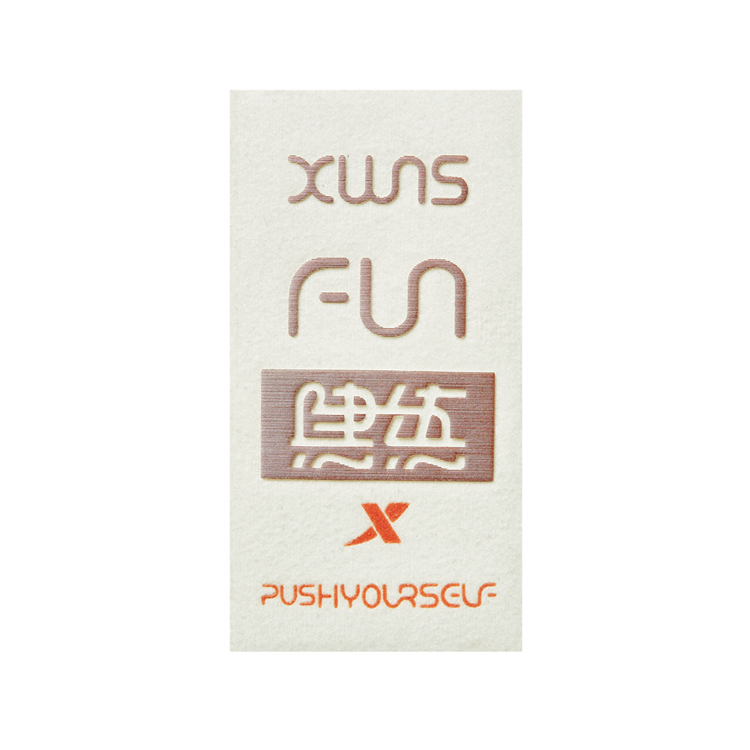
Shoulder labels, also known as care labels or content labels, are sewn into the shoulder seam of a garment. They serve multiple purposes, making them an indispensable part of any clothing item. Here are some key roles that shoulder labels play:
1. Providing Care Instructions
One of the primary functions of a shoulder label is to provide care instructions for the garment. These instructions guide the wearer on how to properly wash, dry, and maintain the clothing item to ensure its longevity and quality. Care instructions typically include symbols and text that indicate the recommended washing temperature, drying method, ironing temperature, and any specific care requirements such as dry cleaning or hand washing.
2. Compliance with Regulations
In many countries, clothing manufacturers are required by law to provide certain information on their garments. Shoulder labels are often used to meet these regulatory requirements. For example, in the United States, the Federal Trade Commission (FTC) mandates that clothing labels include information such as the fiber content, country of origin, and care instructions. Compliance with these regulations is crucial for manufacturers to avoid legal issues and maintain consumer trust.
3. Enhancing Brand Identity
Shoulder labels offer a unique opportunity for brands to enhance their identity and build a connection with the wearer. By including the brand name, logo, or a unique tagline on the label, brands can reinforce their image and create a sense of brand loyalty. A well-designed shoulder label can also convey the brand's values and commitment to quality, sustainability, or other important aspects.
4. Providing Sizing Information
While sizing information is often printed on the outside of the garment, having it on the shoulder label can be helpful for the wearer. It provides a quick reference for the correct size and can be particularly useful when the garment is being worn or stored. Accurate sizing information helps reduce the risk of returns and exchanges, improving customer satisfaction.
5. Indicating Authenticity
For high-end and luxury brands, shoulder labels can serve as a marker of authenticity. These labels often include unique serial numbers, holograms, or other security features that help distinguish genuine products from counterfeits. This is particularly important in the fight against counterfeit goods, which can damage a brand's reputation and financial health.
Designing Effective Shoulder Labels
Designing a shoulder label requires a balance between functionality and aesthetics. Here are some key considerations for creating effective shoulder labels:
1. Clarity and Legibility
The information on the shoulder label must be clear and easy to read. Use a simple, legible font and ensure that the text is large enough to be easily understood. The care symbols should also be clear and follow the standard international symbols for garment care.
2. Material and Durability
The material used for the shoulder label should be durable and able to withstand the rigors of washing and wearing. Common materials include woven labels, which are made from threads and can be customized with intricate designs, and printed labels, which are made from fabric and printed with ink. Both materials should be tested for colorfastness and durability to ensure they remain legible over time.
3. Placement
The placement of the shoulder label is crucial for both functionality and comfort. The label should be sewn into the shoulder seam in a way that does not cause discomfort or irritation to the wearer. It should also be positioned in a way that is easily accessible for reference.
4. Customization and Branding
Take advantage of the shoulder label to enhance your brand identity. Include the brand logo, name, or a unique tagline that reflects the brand's personality. Use colors and designs that align with the brand's visual identity to create a cohesive and recognizable brand image.
5. Regulatory Compliance
Ensure that the shoulder label complies with all relevant regulations and standards. This includes providing accurate and complete information as required by law. Stay updated on any changes in regulations to avoid non-compliance issues.
The Impact of Shoulder Labels on Consumer Experience
Shoulder labels can significantly impact the consumer experience in several ways:
1. Enhanced Product Care
By providing clear care instructions, shoulder labels help consumers take better care of their garments. This not only extends the life of the product but also ensures that it maintains its quality and appearance over time. Consumers are more likely to be satisfied with a product that lasts longer and looks good, leading to increased brand loyalty.
2. Trust and Transparency
Compliance with regulations and providing accurate information on the shoulder label builds trust between the brand and the consumer. Consumers are more likely to trust a brand that is transparent about its products and follows legal requirements. This trust can lead to repeat purchases and positive word-of-mouth recommendations.
3. Brand Recognition
A well-designed shoulder label can enhance brand recognition. When consumers see the brand name or logo on the label, it reinforces their memory of the brand. This can be particularly effective for brands that have a strong visual identity and a loyal customer base.
4. Reduced Returns and Exchanges
Accurate sizing and care information on the shoulder label can reduce the number of returns and exchanges. Consumers are less likely to return a product if they understand how to care for it properly and if they have the correct size. This not only saves the brand money but also improves the overall customer experience.
Case Studies: Effective Use of Shoulder Labels
1. Patagonia
Patagonia is known for its commitment to sustainability and environmental responsibility. Their shoulder labels reflect this commitment by providing detailed care instructions that encourage consumers to repair and reuse their garments. The labels also include information about the company's environmental initiatives, reinforcing the brand's values and building trust with consumers.
2. Levi's
Levi's uses its shoulder labels to enhance brand identity and provide essential information. The labels include the brand name, logo, and a unique tagline that reflects the brand's heritage and personality. They also provide clear care instructions and sizing information, ensuring that consumers can take care of their jeans properly. The labels are designed to be durable and long-lasting, maintaining their legibility even after multiple washes.
Tips for Maximizing the Effectiveness of Shoulder Labels
1. Regularly Update Information
Keep the information on the shoulder label up to date. This includes any changes in care instructions, fiber content, or regulatory requirements. Regularly review and update the labels to ensure they remain accurate and compliant.
2. Use High-Quality Materials
Invest in high-quality materials for the shoulder labels. This ensures that they remain legible and durable over time. High-quality materials also reflect the brand's commitment to quality and can enhance the overall perception of the product.
3. Engage with Consumers
Use the shoulder label as an opportunity to engage with consumers. Include a call to action, such as a URL to the brand's website or a social media handle, to encourage consumers to learn more about the brand and its products. This can help build a stronger connection between the brand and the consumer.
4. Test for Comfort and Durability
Before mass-producing garments, test the shoulder labels for comfort and durability. Ensure that they do not cause irritation or discomfort to the wearer and that they remain legible after multiple washes and wears. Make any necessary adjustments based on the test results to improve the consumer experience.
5. Educate Consumers
Educate consumers about the importance of the shoulder label and how to use the information provided. This can be done through marketing materials, in-store displays, or online content. By educating consumers, brands can ensure that they are getting the most value from their shoulder labels and that consumers are taking proper care of their garments.
Conclusion
Shoulder labels may be small, but they play a significant role in the world of apparel. They provide essential information, ensure regulatory compliance, enhance brand identity, and improve the consumer experience. By designing effective shoulder labels that are clear, durable, and compliant, brands can build trust, foster loyalty, and ensure that their products are well cared for. Whether you are a small boutique or a large fashion brand, investing time and effort into your shoulder labels can yield significant benefits in terms of brand recognition, product longevity, and customer satisfaction. Remember, the details matter, and a well-designed shoulder label can make all the difference in the world of fashion and apparel.
Steps to Implement Tagless Labels in Your Business
Tips for Choosing the Right Die Cut Decal




SEND MESSAGE