

What Makes Sewable Patches Attractive?
2026-03-11
Table of Contents
- Main Title: What Makes a Sewable Patch "Good-looking"?
- I. Understanding Sewable Patches: The Basics
- II. Design & Shape: The First Impression
- III. Color Matching: The Key to Visual Harmony
- IV. Craftsmanship: The Details That Make a Difference
- V. Material & Texture: The Foundation of Attractiveness
- VI. Style & Scene Matching: Making the Patch Fit
- VII. Practical Beauty: Long-Term Attractiveness
- VIII. Conclusion
Not all sewable patches are created equal—some stand out for their beauty, while others fade into the background. So, what exactly makes a sewable patch “good-looking”?
In this blog, we’ll break down the key elements that define an attractive sewable patch, from design and color to craftsmanship and material. We’ll also include practical tables to help you visualize and choose the best patches for your needs. Whether you’re a DIY enthusiast, a fashion lover, or a business owner looking to create branded patches, this guide has you covered.
I. Understanding Sewable Patches: The Basics
First, let’s clarify what a sewable patch is. Unlike iron-on patches, sewable patches require manual stitching to attach to fabric—think jackets, jeans, bags, hats, or even uniforms. Their durability and versatility make them a favorite for long-lasting personalization.
The appeal of a sewable patch isn’t just about being “pretty”—it’s about balancing aesthetics with functionality. A good-looking patch should catch the eye, complement the item it’s sewn on, and hold up well over time. Below, we’ll dive into the key factors that make this possible.
II. Design & Shape: The First Impression
The design and shape of a sewable patch are the first things people notice. A strong design is simple, balanced, and tailored to its purpose. Here’s what to look for:
2.1 Clean, Readable Patterns
A good pattern is easy to understand at a glance. Overcrowded designs with too many details can look messy and lose their impact. Whether it’s a logo, a graphic, or text, clarity is key.
For example, a patch with a simple floral motif or a bold letter will be more attractive than one crammed with multiple images and tiny text. The goal is to make the patch’s message or design clear without overwhelming the eye.
2.2 Well-Chosen Shapes
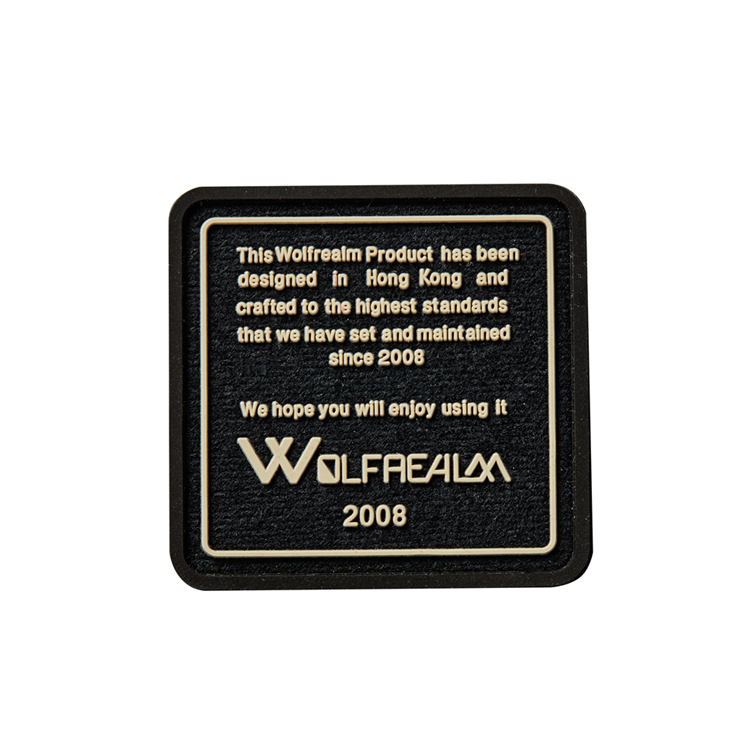
The shape of the patch should complement both the design and the item it’s attached to. Classic shapes are always a safe bet, but unique shapes can add a fun, stylish twist. Below is a table of popular patch shapes and their best uses:
|
Patch Shape
|
Style Vibe
|
Best For
|
|---|---|---|
|
Round
|
Classic, Friendly
|
Hats, Jackets, Kids’ Clothing
|
|
Square/Rectangular
|
Formal, Professional
|
Uniforms, Branded Merchandise
|
|
Shield/Badge
|
Prestigious, Nostalgic
|
Vintage Jackets, Club Logos
|
|
Irregular/Cartoon
|
Playful, Unique
|
DIY Projects, Kids’ Items, Streetwear
|
2.3 Balanced Proportion
Proportion is crucial—an oversized patch on a small item (like a hat) will look awkward, while a tiny patch on a large jacket will go unnoticed. The patch’s size should be in harmony with the item’s scale.
A good rule of thumb: for jackets or bags, a patch between 2-4 inches works best. For smaller items like hats or jeans pockets, stick to 1-2 inches. The layout of the design within the patch should also be balanced—avoid placing all elements on one side.
III. Color Matching: The Key to Visual Harmony
Color is one of the most powerful tools for making a sewable patch attractive. The right color combination can make a patch pop, while a poor one can make it look dull or clashing. Here’s how to get it right:
3.1 Coordinated Color Schemes
The best patches use color schemes that are either unified or have moderate contrast. Unified tones (like pastels or earth tones) create a soft, cohesive look, while contrast (like black and white or blue and orange) adds visual interest and makes details stand out.
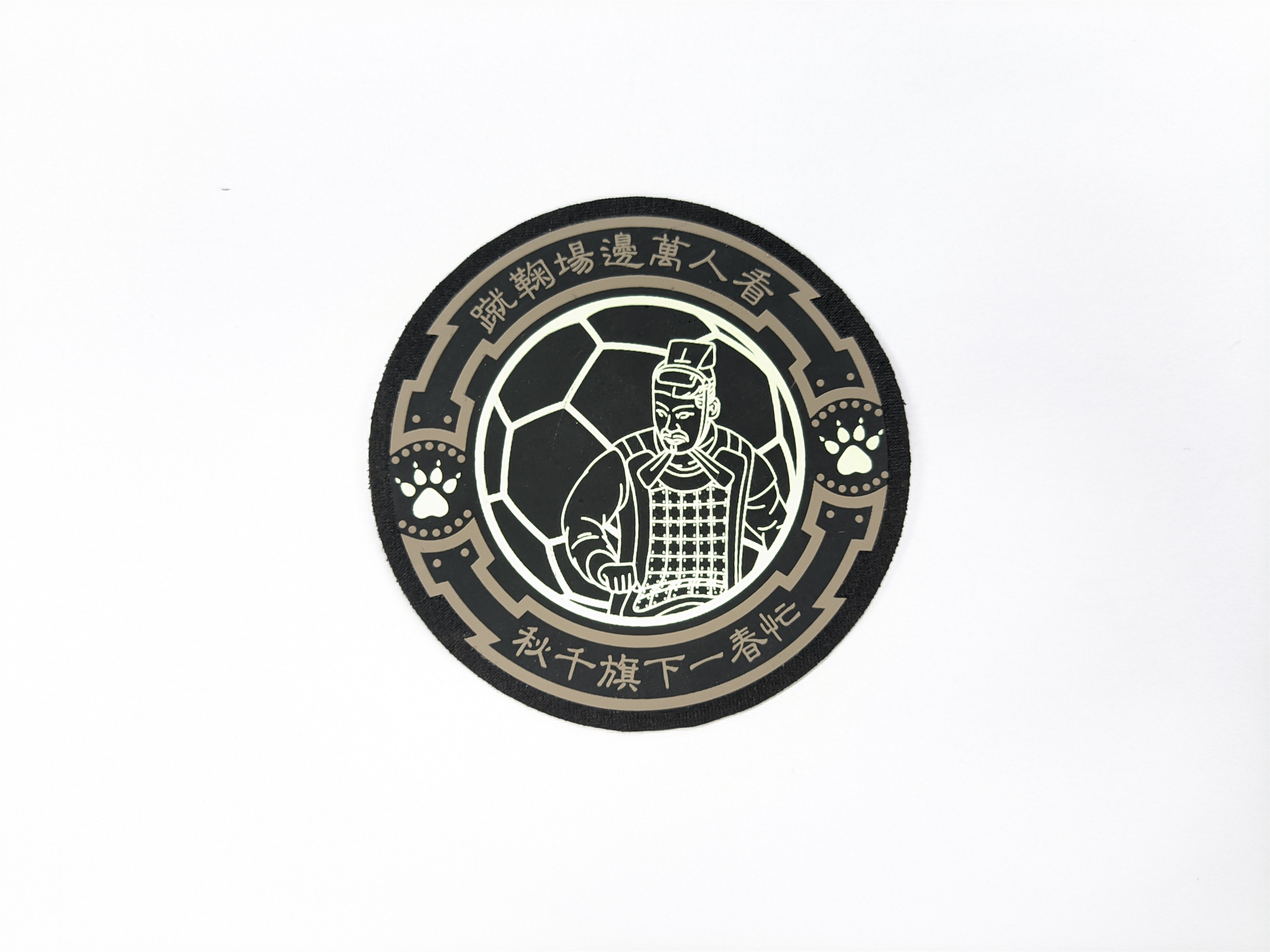
Avoid using too many colors at once—3-4 colors are ideal. More than that can make the patch look chaotic. Below is a table of popular color schemes and their effects:
|
Color Scheme
|
Example Colors
|
Visual Effect
|
|---|---|---|
|
Monochromatic
|
Light Blue, Medium Blue, Dark Blue
|
Soft, Elegant, Cohesive
|
|
Complementary
|
Red & Green, Blue & Orange
|
Bold, Eye-Catching, High Contrast
|
|
Analogous
|
Pink, Purple, Blue
|
Warm, Harmonious, Easy on the Eye
|
|
Neutral + Accent
|
Beige, Gray, Gold
|
Sophisticated, Versatile, Timeless
|
3.2 Appropriate Brightness & Colorfastness
Bright colors can be eye-catching, but they should never be garish. A neon patch might work for streetwear, but it would look out of place on a formal uniform. Choose brightness based on the patch’s purpose and the item it’s attached to.
Colorfastness is also important. A good-looking patch should retain its color after washing and wear. Low-quality patches may fade or bleed, ruining both the patch and the fabric it’s sewn on. Look for patches made with colorfast threads and base fabrics.
3.3 Matching with the Background Fabric
The patch’s colors should complement the fabric it’s sewn on. For light-colored fabrics (like white or beige), use darker or more vibrant patch colors to create contrast. For dark fabrics (like black or navy), light-colored patches or those with metallic accents will stand out.
For example, a white patch with black embroidery looks great on a black jacket, while a navy patch with gold details complements a white shirt. Avoid matching the patch’s color exactly to the fabric—this will make it blend in and lose its appeal.
IV. Craftsmanship: The Details That Make a Difference
Even the best design and color scheme won’t save a poorly made patch. Craftsmanship is what turns a “good” patch into a “great” one. Here are the key craftsmanship details to look for:
4.1 Neat Embroidery
Embroidery is the heart of most sewable patches. Tight, uniform stitches ensure the design is crisp and durable. Loose threads, uneven stitching, or gaps between stitches will make the patch look unprofessional.
High-quality patches use dense embroidery (measured in stitches per inch, or SPI). A higher SPI means a more detailed, smooth design. For example, a patch with 12-15 SPI will look much cleaner than one with 8-10 SPI.
4.2 Clean Edge Finishing
The edge of the patch is often overlooked, but it’s a key part of its appearance. The most classic edge finish for sewable patches is a merrowed border—this is when the edge is folded over and stitched, creating a smooth, professional look.
Other edge finishes include heat-cut (for irregular shapes) and woven edges. Avoid patches with frayed edges or warping—these are signs of poor craftsmanship. Below is a table comparing edge finishes:
|
Edge Finish
|
Appearance
|
Best For
|
|---|---|---|
|
Merrowed
|
Smooth, Rounded, Professional
|
Classic Shapes (Round, Square), Uniforms
|
|
Heat-Cut
|
Sharp, Clean, Custom Shapes
|
Irregular/Cartoon Shapes, DIY Projects
|
|
Woven
|
Flat, Thin, Seamless
|
Delicate Fabrics, Small Patches
|
4.3 Clear Detail Restoration
A good patch should preserve all the details of its design. Sharp lines for text, precise small patterns, and clear outlines are essential. For example, if a patch has a small logo with tiny text, the text should be readable without squinting.
Poor craftsmanship can blur details or make them look distorted. When choosing a patch, zoom in on the design—if the edges are fuzzy or the text is unreadable, it’s a sign of low quality.
V. Material & Texture: The Foundation of Attractiveness
The materials used to make a sewable patch affect both its appearance and durability. High-quality materials will make the patch look better and last longer. Here’s what to consider:
5.1 High-Quality Base Fabric
The base fabric (the “backing” of the patch) should be flat, firm, and not easy to deform. Common base fabrics include cotton, twill, and felt. Cotton is soft and versatile, twill is durable and professional, and felt adds a cozy, vintage look.
Avoid patches with thin, flimsy base fabrics—they will wrinkle easily and look cheap. A good base fabric should hold its shape even after washing and stitching.
5.2 Premium Threads
The thread used for embroidery plays a big role in the patch’s appearance. High-quality threads are lustrous (or matte, if desired) and soft but durable. Polyester threads are a popular choice because they are colorfast and resistant to fading.
Metallic threads can add a touch of glamour, while cotton threads are ideal for a more natural, vintage look. Avoid low-quality threads that break easily or fade quickly—they will ruin the patch’s appearance over time.
5.3 Moderate Thickness
A patch should be thick enough to hold its shape but not so thick that it’s uncomfortable to wear. Too-thick patches can bulge on clothing, while too-thin patches may look flimsy.
The thickness depends on the intended use: a patch for a jacket can be thicker, while a patch for a lightweight shirt should be thinner. A good rule of thumb is that the patch should feel sturdy but flexible.
VI. Style & Scene Matching: Making the Patch Fit
A patch’s attractiveness also depends on how well it fits the style of the item and the scene it’s used in. A patch that looks great on a streetwear jacket might look out of place on a formal uniform.
6.1 Match the Usage Scene
Consider where the patch will be used and choose a style that fits. Below is a table of common scenes and matching patch styles:
|
Usage Scene
|
Recommended Patch Style
|
Example Design
|
|---|---|---|
|
Casual Wear (Jeans, Jackets)
|
Vintage, Cute, Street Style
|
Floral, Cartoon Characters, Retro Logos
|
|
Formal Wear (Uniforms, Blazers)
|
Minimalist, Professional
|
Company Logos, Simple Text, Badges
|
|
Kids’ Items (Clothes, Backpacks)
|
Playful, Colorful, Cute
|
Animals, Cartoons, Bright Patterns
|
|
DIY Projects (Custom Gifts)
|
Personalized, Unique
|
Names, Initials, Custom Graphics
|
6.2 Follow Aesthetic Trends
While classic styles never go out of fashion, following current aesthetic trends can make your patch more attractive. Popular trends for sewable patches include retro designs (70s/80s motifs), minimalist designs (simple lines and neutral colors), and embroidered art (intricate floral or nature patterns).
However, don’t sacrifice your personal style for trends. The best patches are those that reflect your taste or the brand’s identity. Trends come and go, but a timeless design will always be attractive.
VII. Practical Beauty: Long-Term Attractiveness
A good-looking patch isn’t just about appearance—it should also be practical. A patch that’s hard to sew, falls off easily, or fades after one wash won’t stay attractive for long. Here’s what to look for in terms of practicality:
7.1 Easy to Sew & Firmly Attached
Sewable patches should be easy to stitch onto fabric. Look for patches with a clear edge that’s easy to sew around. The base fabric should be thick enough to hold the stitches without tearing.
Once sewn, the patch should stay firmly attached. Loose patches not only look bad but can also be a hassle to re-sew. Choose patches with a sturdy base and high-quality threads for durability.
7.2 Washable & Wear-Resistant
A patch should be able to withstand regular washing and wear. Look for patches that are machine-washable (on a gentle cycle) and resistant to shrinking or fading. Avoid patches with delicate materials that can’t handle washing.
7.3 Maintains Shape & Appearance
Over time, a good patch should keep its shape and appearance. It shouldn’t wrinkle, warp, or lose its color. High-quality materials and craftsmanship are key here—cheaper patches may look good at first but will deteriorate quickly.
VIII. Conclusion: What Makes a Sewable Patch Truly Attractive?
To sum it up, a good-looking sewable patch is the perfect combination of design, color, craftsmanship, material, and practicality. It’s not just about being visually appealing—it’s about being functional, durable, and tailored to its purpose.
Whether you’re choosing a patch for personal use or creating branded patches for your business, keep these elements in mind. A well-designed, well-made patch will not only enhance the appearance of your items but also last for years to come.
So, the next time you’re shopping for or designing a sewable patch, ask yourself: Is the design clear and balanced? Are the colors complementary? Is the craftsmanship neat? Is it made with high-quality materials? And does it fit the style and scene? If you can answer “yes” to all these questions, you’ve found a truly attractive sewable patch.
Patch Sizes for Hats: The Ultimate Guide – Choose the Perfect Size Every Time
Leader Patches: More Than Just a Badge – A Symbol of Leadership, Identity, and Unity




SEND MESSAGE