

A Systematic Review of Craftsmanship Principles, Functional Applications, and Industrial Benchmarking
Create unique sewable badges for any occasion! Our high-quality materials make it easy to personalize clothing and accessories with your own designs.
Materials and Manufacturing Standards
Fabric and Thread Selection
High-quality sewable badges rely on durable materials to withstand wear and environmental stress. Common substrates include:
- Polyester : Resistant to fading and moisture, ideal for outdoor use.
- Cotton : Offers a vintage aesthetic but requires reinforcement for longevity.
- Felt : Popular for scout and commemorative badges due to its affordability.
Threads are typically polyester or rayon, with the latter prized for its lustrous finish. The Textile Institute emphasizes that thread tensile strength and colorfastness are critical to meeting industry standards like ASTM D2261 (tensile testing) and ISO 105-B02 (colorfastness to light).
Production Techniques
Modern badges are crafted using computerized embroidery machines capable of 1,000+ stitches per minute. Key steps include:
- Digitization : Design software converts artwork into stitch patterns.
- Stabilization : Backing materials like tear-away or wash-away stabilizers prevent fabric distortion.
- Finishing : Laser-cutting or die-cutting ensures precise edges, while heat-sealing prevents fraying.
The U.S. Department of Defense mandates that military badges adhere to MIL-DTL-15013 , a specification requiring abrasion resistance, flame retardancy, and minimal color deviation under UV exposure. These rigorous guidelines highlight the intersection of craftsmanship and technical precision in badge manufacturing.
Applications Across Industries
Military and Law Enforcement
Sewable badges remain indispensable for military uniforms, where they denote rank, branch, and achievements. The U.S. Army’s AR 670-1 regulations specify that shoulder sleeve insignia must be sewn with non-glare threads to reduce visibility in combat zones. Similarly, police departments rely on embroidered badges for their professional appearance and durability during field operations.
Education and Youth Organizations
Schools and scouting groups use badges to foster pride and recognition. Custom designs often incorporate metallic threads or 3D embroidery for visual impact. A 2021 survey by the National Association of Uniform Affairs found that 78% of U.S. schools prefer sewable patches over printed logos for their long-term cost-effectiveness.
Corporate and Promotional Use
Brands leverage sewable badges for uniforms and merchandise, capitalizing on their premium feel. Airlines, hotels, and retail chains often embed RFID chips into patches for employee tracking systems—a trend noted in a 2023 report by Grand View Research on wearable technology integration.
Current Trends and Innovations
Sustainability Initiatives
Eco-conscious consumers and corporations are driving demand for recycled materials. Companies like Badgemaster now offer badges made from 100% recycled polyester, reducing reliance on virgin plastics. The Textile Institute highlights that such innovations align with the UN’s Sustainable Development Goal 12 (responsible consumption).
Smart Textile Integration
Conductive threads and micro-LEDs are being woven into badges for interactive features. For example, the U.S. Air Force is testing patches with embedded sensors to monitor physiological data in real time.
Personalization and Niche Markets
Online platforms like Etsy and Amazon Custom have democratized access to custom badges, enabling small businesses and hobbyists to create bespoke designs. This shift has spurred a 15% rise in DIY badge sales since 2020, per Statista .
Challenges and Considerations
Counterfeiting and Quality Control
The low barrier to entry in digital embroidery has led to counterfeit badges, particularly in military and law enforcement contexts. The Department of Defense warns that substandard patches can compromise operational security and morale. Purchasing from certified vendors remains critical.
Cost and Complexity
Complex designs with metallic threads or specialty finishes can increase costs by 30–50%. Businesses must balance aesthetics with budgetary constraints, particularly for large-scale orders.
Environmental Impact
While synthetic materials offer durability, they contribute to microplastic pollution. Researchers are exploring biodegradable alternatives like polylactic acid (PLA) threads, though widespread adoption remains limited.
Conclusion
Sewable badges occupy a unique intersection of tradition and innovation. Their evolution from hand-embroidered military insignia to high-tech smart textiles reflects broader advancements in material science and manufacturing. By adhering to standards set forth by institutions like the Textile Institute and the U.S. Department of Defense, manufacturers ensure these patches meet the demands of diverse applications. As sustainability and digital customization reshape the industry, sewable badges will remain a testament to the enduring value of craftsmanship in a rapidly changing world.
When tackling intricate design projects that demand precision and excellence, PEPHAWK stands as your trusted partner. With 16 years of industry expertise and our general manager’s 31-year legacy in silicone innovation, we specialize in transforming complex logo concepts into flawless realities. Our seasoned team combines technical mastery with creative problem-solving to deliver unmatched quality, ensuring your vision is executed with meticulous attention to detail. Partner with PEPHAWK—where unparalleled experience meets cutting-edge craftsmanship.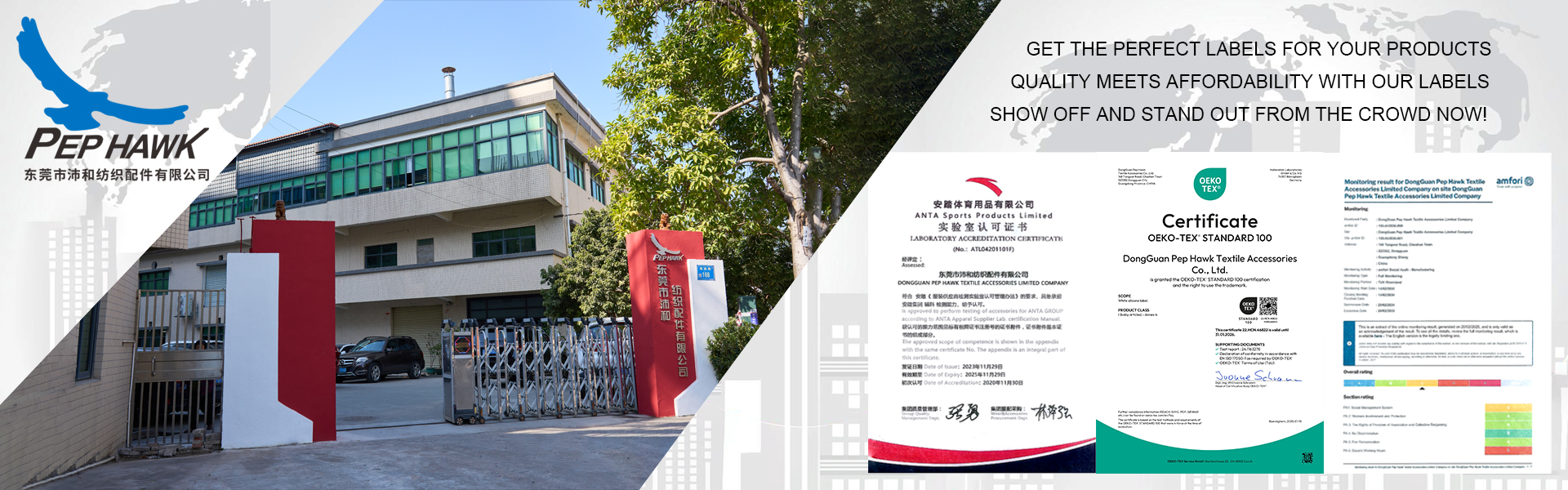
Revolutionizing Precision: The Evolving Influence of Print Patches in Modern Print Production
How Can Custom Leather and Silicone Patches Elevate Your Apparel Brand?



