

Stitch It Right The Ultimate Guide to Sew On Denim Patches
2026-07-27
Table of Contents
Denim is a timeless fabric but it is not invincible. Knees tear elbows fray and logos fade. This is where sew on denim patches step in to save the day.
Whether you are repairing a beloved pair of jeans or adding a custom touch to a jacket understanding the nuances of patch materials and application techniques is crucial. This guide dives deep into the world of custom patches ensuring your garments look professional and last longer. We will explore material differences break down the sewing process and explain the why behind every step to help you make informed decisions and drive high quality results.
Why Sew On Denim Patches Are A Game Changer
Sewing patches onto denim is not just about hiding a hole. It is an art form that combines functionality with personal expression. From a business perspective offering high quality sew on denim patches adds immense value to your product line. Customers look for durability and authenticity. A well executed patch repair or embellishment extends the lifecycle of a garment reducing textile waste. Furthermore custom patches serve as powerful branding tools. They turn a simple piece of clothing into a walking billboard. By mastering the application of these patches you elevate your brand reputation and meet the exact needs of your target audience.
Material Matters Choosing The Right Fabric For Your Patch
The success of your patch heavily relies on the material you choose. Denim comes in various weights and weaves and your patch must complement or contrast appropriately. Let us break down the most popular materials used for sew on denim patches and their specific characteristics.
| Material Type | Durability | Texture | Best Use Case | Maintenance |
|---|---|---|---|---|
| 100 Percent Cotton Twill | High | Smooth and classic | Traditional repairs and vintage logos | Machine washable and iron safe |
| Heavyweight Canvas | Very High | Rough and rugged | High stress areas like knees and elbows | Extremely durable and fade resistant |
| Denim on Denim | High | Matches perfectly | Invisible repairs and seamless blending | Washes exactly like the host garment |
| Corduroy | Medium | Ribbed and soft | Decorative patches and fashion accents | Gentle wash required to preserve ribs |
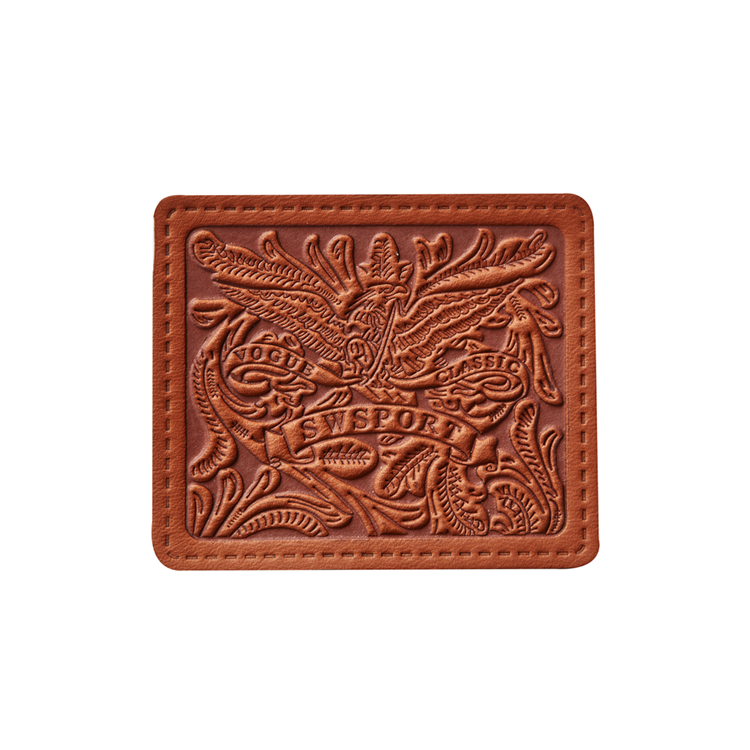
| Leather or Faux Leather | Very High | Smooth and premium | High end branding and luxury accents | Wipe clean only avoid machine washing |
When selecting a material consider the end use. A heavy canvas patch is ideal for workwear repairs because it withstands intense friction. On the other hand a cotton twill patch provides a smooth surface for intricate embroidery making it perfect for detailed company logos. Denim on denim is the ultimate choice for stealth repairs where the goal is to make the damage disappear completely.
Denim is also measured in ounces. A lightweight four to six ounce denim requires a delicate patch approach to avoid stiffening the garment. Conversely a heavy fourteen ounce selvedge denim demands a robust canvas or leather patch to match its structural integrity. Matching the weight of the patch to the weight of the host garment is a secret technique used by professional tailors to ensure the drape of the fabric remains natural.
Step By Step Guide To Sewing Denim Patches Perfectly
Applying a patch seems straightforward but doing it professionally requires precision. Rushing the process leads to puckering uneven stitches and premature peeling. Here is a detailed breakdown of the sewing process explaining the reason behind each action.
| Step | Action Required | Reason Behind The Step |
|---|---|---|
| Step 1 | Prep the garment by washing and ironing it | Removes sizing and ensures a flat surface preventing fabric shifting during sewing |
| Step 2 | Cut the patch leaving a half inch border around the damage | Provides enough overlap to distribute stress and prevents the edges from fraying |
| Step 3 | Pin or baste the patch securely in place | Keeps the patch perfectly aligned so the machine stitches are straight and even |
| Step 4 | Select a heavy duty needle and matching thread | A standard needle will break on thick denim while matching thread ensures a clean finish |
| Step 5 | Sew around the perimeter using a zigzag or straight stitch | A zigzag stitch locks the edges preventing fraying while a straight stitch offers a classic look |
| Step 6 | Add a crosshatch or box stitch in the center for large patches | Distributes tension evenly across the patch preventing the center from bubbling or lifting |
Let us elaborate on Step 4. Using the correct needle is non negotiable. Denim is a dense fabric. A standard universal needle will deflect break or cause skipped stitches. You must use a denim or jeans needle which has a sharper point to pierce the thick weave cleanly. Pair this with polyester or cotton wrapped polyester thread. Pure cotton thread will eventually snap under the tension and friction of daily wear.
For Step 5 the choice of stitch matters. A straight stitch is excellent for a clean minimalist look but it does not lock the raw edges of the patch. If your patch material is prone to fraying a zigzag stitch or a satin stitch border is mandatory. This encapsulates the edge creating a durable barrier against unraveling.
If your sew on denim patches feature embroidery the thread choice is just as critical as the base fabric. Rayon thread offers a brilliant high gloss finish perfect for intricate decorative logos but it lacks the UV and wash resistance of polyester. For garments that will face harsh conditions or frequent industrial washing polyester embroidery thread is the undisputed champion. It retains its color vibrancy and structural strength wash after wash. Always use a polyester bobbin thread to balance the tension and prevent the back of the patch from looking messy.
Pro Tips For Maximizing Patch Longevity And Style
To truly stand out and offer the best products to your clients you need to go beyond the basics. Here are some advanced tips to ensure your sew on denim patches look flawless and last for years.
First always pre wash your patch material if you are making the patches yourself. Fabric shrinks. If you sew an unwashed patch onto a pre washed garment the first time the customer washes the item the patch will shrink and pucker the surrounding denim. Pre washing eliminates this risk entirely.
Second consider the thread weight. For heavy duty workwear repairs use a topstitching thread for the bobbin and regular thread for the needle. This combination provides the structural integrity of thick thread without the bulk that can jam your sewing machine.
Third think about placement. If you are adding decorative sew on denim patches for branding placement is everything. Avoid placing patches directly over thick seams like the outseam of a jean leg. The needle will struggle to penetrate multiple layers of thick fabric increasing the risk of broken needles and uneven stitching. Shift the patch slightly to a flatter area for a smoother application.
| Issue | Probable Cause | Effective Solution |
|---|---|---|
| Fabric puckering around the patch | Tension is too tight or fabric is not stabilized | Loosen thread tension slightly and use a tear away stabilizer underneath |
| Needle breaking frequently | Hitting thick seams or using the wrong needle type | Reposition the patch away from seams and switch to a fresh heavy duty denim needle |
| Thread fraying during sewing | Thread is old or passing through a rough needle eye | Replace the thread spool and ensure the needle eye is smooth and appropriately sized |
| Patch edges curling after washing | Patch material was not pre shrunk or edges were not finished | Pre wash all materials and use a zigzag stitch or merrow edge to finish raw borders |
After the sewing is complete the final pressing step is often overlooked but absolutely vital. Use a tailor clapper or a heavy wooden block to press the seams and the patch immediately after ironing. The heat softens the denim fibers and the weight of the clapper flattens them as they cool. This technique eliminates any residual puckering and gives the patch a perfectly flat professional finish that blends seamlessly with the rest of the garment.
Elevate Your Brand With Premium Sew On Denim Patches
Understanding the intricacies of materials and application techniques is just the beginning. To truly capture your market and generate high quality inquiries you need a reliable partner who shares your commitment to excellence. Our custom sew on denim patches are crafted with precision using only the highest grade materials. Whether you need heavy canvas for rugged workwear or soft cotton twill for vintage apparel we have the perfect solution for your brand.
By choosing our patches you are investing in durability aesthetics and customer satisfaction. We offer a wide range of customization options including custom embroidery precise die cutting and various backing styles. Our team of experts is ready to help you navigate the design process ensuring your final product perfectly aligns with your brand identity.
When you order in bulk from our facility you benefit from consistent quality across every single patch. We utilize advanced computerized embroidery machines and precision laser cutting technology to ensure that the ten thousandth patch looks exactly as flawless as the first one. This level of consistency is what builds trust with your end consumers and keeps them coming back to your brand. Our dedicated account managers will guide you through the entire process from initial digitizing of your logo to the final quality control inspection before shipping.
Do not settle for subpar patches that peel fade or ruin your garments. Partner with us to create exceptional sew on denim patches that stand the test of time. Explore our product catalog today to see the difference quality makes. Contact our sales team to request a sample or discuss your custom project. Let us stitch success into every piece of apparel you produce.
Thread Alchemy Crafting the Perfect Patching Design
No Peeling No Scorching The Iron On Patch Playbook




SEND MESSAGE