How to Sparkle Smart: Mastering the Analysis of Sequin Patches for Your Brand Logo
Elevate your style with our beautiful sequin patches. Browse a variety of designs to personalize your fashion and craft projects effortlessly.
In the high-stakes arena of fashion branding, where first impressions glitter like stardust, sequin patches aren’t just decorative doodads—they’re your secret weapon for cutting through the noise. Imagine this: A streetwear startup launches a limited-edition hoodie line. Overnight, sales soar not because of the fabric, but because of a tiny, shimmering logo patch that became Instagram’s darling. Why? Because they didn’t just choose a sequin patch; they analyzed it like a Wall Street quant crunching data. In today’s crowded market, the difference between a forgettable label and a viral brand icon lies in how you dissect three critical elements: design, color, and size. Let’s unlock this art with actionable insights—no crystal ball required.
Step 1: Decoding Design Diversity – Where Form Meets Function
When it comes to sequin patch designs, think of them as your brand’s visual handshake. A poorly analyzed design is like wearing flip-flops to a board meeting—it just doesn’t resonate. Start by categorizing designs into three buckets: minimalist (clean lines, geometric shapes), illustrative (detailed motifs like animals or typography), and custom hybrid (a blend, e.g., a logo wrapped in floral vines). But don’t stop at aesthetics—ask: Does this design align with our brand story?
For instance, a luxury skincare brand might opt for a minimalist crescent moon design to evoke serenity, while a Gen-Z-focused sneaker label could choose an illustrative, graffiti-style emblem for edge. Here’s your pro tip: Run a "squint test." Print your design at 10% scale and squint. If you can’t instantly recognize the core shape, it’s too complex for a tiny patch. Remember Patagonia’s subtle mountain logo? It’s minimalist, scalable, and screams "outdoor adventure" without uttering a word. In analysis, prioritize versatility—will this design work on a denim jacket and a kids’ backpack? If yes, you’ve struck gold. Design isn’t art for art’s sake; it’s strategic storytelling. Skimp here, and your logo becomes background static. Nail it, and you’re building equity one sparkle at a time.
Step 2: Cracking the Color Code – Psychology Meets Profitability
Color isn’t just pretty—it’s profit in pigment. Studies show that color boosts brand recognition by up to 80%, but with sequin patches, the stakes are higher. Why? Because sequins refract light, turning static hues into dynamic experiences. Analyze colors through two lenses: brand consistency and audience magnetism.
First, audit your brand’s color palette. If your logo is primarily navy (think IBM’s trust-driven blue), a silver sequin patch maintains sophistication. But if you’re targeting festival-goers, like Fenty’s vibrant campaigns, electric pink or holographic sequins could ignite social shares. Never assume—test. Run A/B tests on Instagram ads: Show your patch in matte black vs. iridescent green to your target demographic. One fashion startup discovered their eco-brand’s "earth green" patch underperformed by 30% among millennials; swapping to a teal variant (associated with innovation) boosted engagement overnight. Also, consider cultural context: Gold reads as opulent in Dubai but might feel gaudy in Scandinavia. Pro move: Use tools like Adobe Color to simulate how sequins interact with fabrics under different lighting. A "red" patch might look fiery on cotton but dull on velvet. Remember, color analysis isn’t about preference—it’s about decoding what makes your audience feel and act. Get it right, and you’ll turn casual scrollers into loyal customers.
Step 3: Sizing Up the Competition – Precision in Every Millimeter
Size seems straightforward—bigger is bolder, right? Wrong. In sequin patches, size is a silent salesperson. A 2-inch patch on a baseball cap commands attention; the same size on a silk scarf overwhelms. Analyze size through practicality and psychological impact. Start with product mapping: List where patches will appear (e.g., jackets, bags, hats). For outerwear, 3–4 inches works; for delicate items like scarves, cap at 1.5 inches. Why? Oversized patches hike production costs (more sequins = higher material waste) and annoy customers—nobody wants a logo that scratches their neck!
Take Nike’s Swoosh strategy: On sneakers, it’s bold and large for instant recognition; on apparel tags, it shrinks to a subtle nod. Your analysis must factor in cost-per-unit and sewing feasibility. A 5-inch patch might dazzle, but if it requires 200+ hand-stitched sequins, your ROI evaporates. Instead, pilot micro-sizes (under 1 inch) for high-end markets—Chanel’s tiny sequin logos on handbags whisper exclusivity. Also, consider cultural norms: In Japan, smaller patches denote refinement; in the U.S., larger sizes signal confidence. Use mock-ups on actual products—digital renders lie. One client learned this the hard way when their "perfect" 3-inch patch looked comically huge on petite jackets. Size analysis isn’t guesswork; it’s engineering visibility without blowing your budget.
The Glittering Bottom Line
Analyzing sequin patches for your logo isn’t about chasing trends—it’s about marrying creativity with cold, hard business acumen. When you dissect designs, you ensure your brand whispers the right story. When you decode colors, you tap into subconscious desires. When you optimize sizes, you balance impact with efficiency. Together, these elements transform a humble patch into a revenue-driving asset. As fashion mogul Diane von Furstenberg once quipped, "Dressing is a way of life. Branding is a way of profit." So, grab your magnifying glass (and maybe a sequin-covered notebook). Test one variable at a time: Start with a color A/B test next quarter, or prototype three size variants for your bestseller. In a world where consumers scroll past 10,000 ads daily, your sequin patch isn’t just a logo—it’s a beacon. Make it count, make it shine, and watch your brand sparkle from the runway to the revenue report. After all, in business, the brightest stars aren’t born—they’re analyzed.
When confronted with the task of producing intricate design drafts of the highest quality, PEPHAWK is here to provide the perfect solution. With over 16 years of industry experience and our esteemed general manager boasting 31 years of expertise in the silicone industry, we are the ultimate choice for tackling your challenging logo design projects. Select PEPHAWK for our unmatched proficiency and rest assured in the impeccable outcomes we consistently deliver.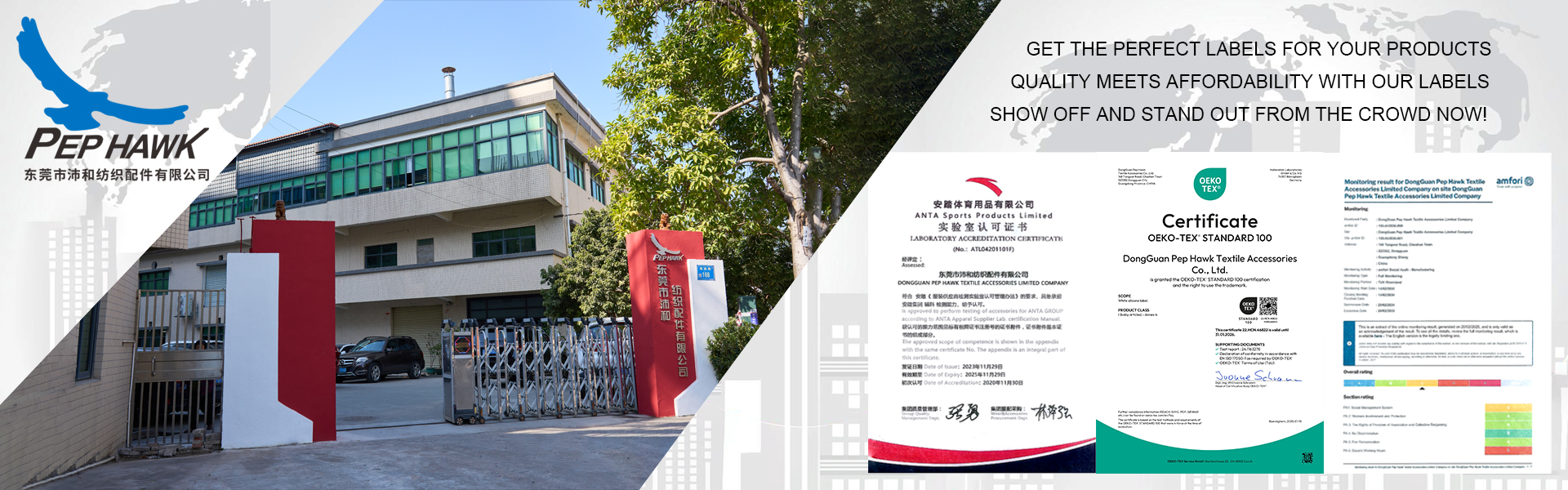
The Business Case for Hilarious Custom Logo Patches
Hoodie Patches: The Ultimate Style Statement for Modern Wardrobes