

Rubberized Patches for Apparel Logos for Matching & Collocation
2026-04-28
Table of Contents
- Main Title
- 1. What Are Rubberized Apparel Logo Patches?
- 2. Apparel Category & Rubberized Patch Collocation
- 3. Logo Style & Rubberized Patch Matching
- 4. Fabric Compatibility: What Works (and What Doesn’t)
- 5. Attachment Methods: Which Is Right for Your Apparel?
- 6. Color Collocation Principles for Rubberized Logo Patches
- 7. Application Scenarios for Rubberized Logo Patches
- 8. Pro Tips for Perfect Rubberized Patch & Logo Collocation
- Final Thoughts
Rubberized patches have emerged as a versatile, durable, and visually striking choice for displaying logos on clothing—blending functionality with style to elevate any garment.
Unlike embroidery or woven labels, rubberized patches offer a smooth, 3D texture, water resistance, and long-lasting vibrancy, making them ideal for a wide range of apparel types. This guide breaks down everything you need to know about matching rubberized patches with apparel logos, from fabric compatibility to style coordination, with easy-to-reference tables and concise tips.
1. What Are Rubberized Apparel Logo Patches?
Rubberized patches (also called PVC patches or rubber patches) are logo carriers made from flexible, durable PVC or silicone materials. They are designed to adhere or attach to clothing, providing a clean, polished look that stands out without being overly bulky.
Key characteristics that make them popular for apparel logos include their 3D raised effect, resistance to fading, water, and wear, and ability to replicate intricate logo details. Unlike embroidered patches, they have a smooth surface, making them ideal for minimalist or bold designs alike.
2. Apparel Category & Rubberized Patch Collocation
Rubberized patches work well with almost every apparel category, but the key is to match the patch’s size, style, and placement to the garment’s purpose and design. Below is a breakdown of the best pairings for common apparel types.
|
Apparel Category
|
Recommended Rubberized Patch Style
|
Ideal Placement
|
Why It Works
|
|---|---|---|---|
|
Casual Apparel (Hoodies, Sweatshirts, T-Shirts)
|
Small to medium-sized, solid-color or simple 3D patches
|
Chest (left or center), sleeve, or hood
|
Casual garments benefit from understated patches that add branding without overwhelming the design; soft fabrics pair well with flexible rubber.
|
|
Streetwear (Jackets, Denim Jackets, Caps)
|
Bold 3D raised patches, bright colors, or mixed-craft (rubber + embroidery)
|
Chest, shoulder, back (small to medium), or cap front/side
|
Streetwear thrives on statement details—rubberized patches’ texture and vibrancy stand out against bold fabrics like denim or canvas.
|
|
Sports & Outdoor Apparel (Functional Jackets, Jerseys, Hiking Wear)
|
Waterproof, matte rubberized patches, minimal design
|
Chest, sleeve, or waistband
|
Outdoor and sports gear requires durable, weather-resistant branding; rubberized patches hold up against moisture, sweat, and frequent wear.
|
|
Workwear & Uniforms (Enterprise Uniforms, Team Gear)
|
Matte, monochrome, or company-color patches, clear logo details
|
Chest (left pocket area), sleeve, or collar
|
Uniforms need professional, easy-to-identify branding; rubberized patches are long-lasting and maintain a clean look even after repeated washes.
|
3. Logo Style & Rubberized Patch Matching
The success of a rubberized logo patch depends on how well it complements the logo’s design. Different logo styles require different patch finishes and textures to ensure the logo remains recognizable and visually appealing.
|
Logo Style
|
Recommended Rubberized Patch Type
|
Design Tips
|
|---|---|---|
|
Minimalist (Simple Text, Small Icons)
|
Solid-color flat rubberized patches, matte finish
|
Stick to 1-2 colors to keep the design clean; avoid overcomplicating the patch—let the logo speak for itself.
|
|
Bold & Trendy (Thick Fonts, Geometric Shapes)
|
Raised 3D rubberized patches, glossy or metallic finish
|
Use the 3D effect to emphasize the logo’s edges; opt for contrast colors to make the design pop.
|
|
Retro/Vintage (Distressed Logos, Classic Fonts)
|
Matte frosted rubberized patches, muted colors
|
Add subtle texture to mimic vintage wear; avoid bright, modern finishes that clash with the retro aesthetic.
|
|
Complex (Intricate Patterns, Multiple Colors)
|
Integrated rubberized encapsulation, multi-color 3D patches
|
Work with a manufacturer to ensure small details are preserved; use color blocking to keep the design cohesive.
|
4. Fabric Compatibility: What Works (and What Doesn’t)
Rubberized patches attach to most fabrics, but some materials pair better than others. The key is to consider the fabric’s thickness, texture, and intended use—this ensures the patch adheres properly and doesn’t damage the garment.
|
Fabric Type
|
Compatibility Level
|
Best Attachment Method
|
Notes
|
|---|---|---|---|
|
Cotton, Polyester, Cotton-Poly Blend
|
High
|
Iron-on heat transfer, sew-on
|
Most common apparel fabrics; iron-on works for mass production, while sew-on adds durability.
|
|
Denim, Canvas, Thick Woven Cloth
|
High
|
Sew-on, iron-on (with higher heat)
|
Thick fabrics support larger, heavier patches; sew-on is recommended for long-term wear.
|
|
Nylon, Waterproof Outdoor Fabrics
|
Medium
|
Specialized adhesive, sew-on
|
Waterproof fabrics require adhesive designed for moisture resistance; avoid iron-on (may damage the fabric).
|
|
Ultra-Thin Sheer Fabrics (Chiffon, Silk)
|
Low
|
Self-adhesive (temporary), small patches only
|
Thin fabrics can be damaged by heat or sewing; use small, lightweight patches for temporary branding only.
|
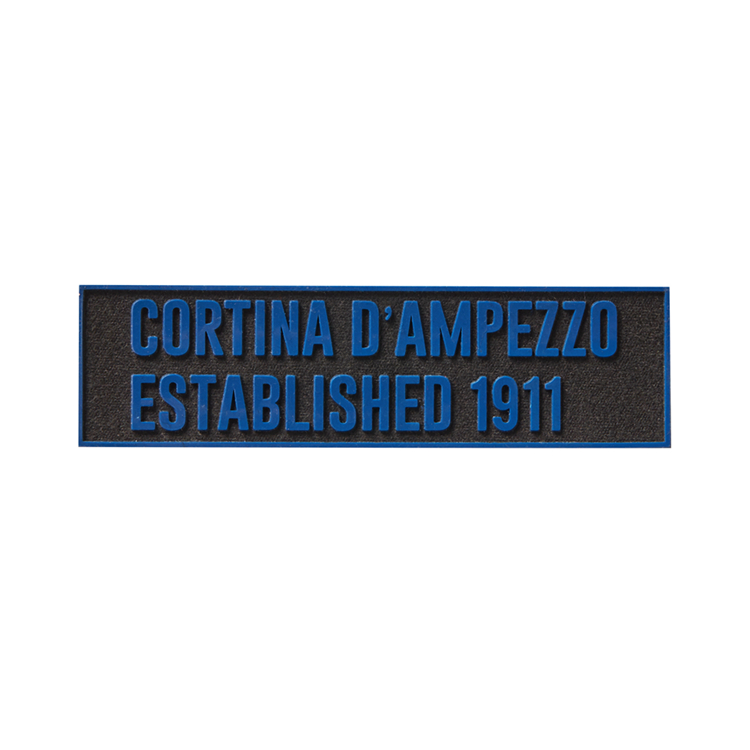
5. Attachment Methods: Which Is Right for Your Apparel?
Rubberized patches can be attached to apparel using several methods, each with its own benefits. The best method depends on the garment type, production volume, and desired durability.
Iron-on heat transfer is the most popular choice for mass-produced apparel. It’s quick, cost-effective, and works well with cotton, polyester, and blends. For high-end clothing or garments that require extra durability (like workwear), sew-on patches are better—they won’t peel or fade over time.
Self-adhesive rubberized patches are ideal for accessories (like caps or bags) or temporary branding (e.g., limited-edition items). They are easy to apply and remove, making them perfect for short-term use. For a unique look, consider mixed-craft patches—combining rubberized details with embroidery or woven labels adds depth and visual interest.
6. Color Collocation Principles for Rubberized Logo Patches
Color is a critical part of logo visibility and brand recognition. When matching rubberized patches to apparel, follow these simple principles to ensure your logo stands out (or blends in, if that’s your goal).
Tone-on-tone matching is ideal for low-key branding. For example, a black rubberized patch on a dark gray hoodie or a white patch on a cream T-shirt—this keeps the design subtle while still displaying the logo. Contrast color matching is perfect for streetwear or youth apparel: a bright red patch on a black jacket or a neon blue patch on a white T-shirt will make the logo pop.
Monochrome dark patches (black, charcoal, navy) work well for business casual apparel or uniforms, as they maintain a professional look. Bright, vibrant colors (neon, pastels) are best for streetwear, sportswear, and youth-focused brands, as they align with trendy, energetic aesthetics.
|
Apparel Aesthetic
|
Patch Color Recommendation
|
Example Pairings
|
|---|---|---|
|
Low-Key/Professional
|
Monochrome, tone-on-tone, muted colors
|
Navy patch on navy work shirt, gray patch on gray hoodie
|
|
Bold/Streetwear
|
Contrast colors, bright neons, metallic accents
|
Neon pink patch on black denim jacket, gold patch on white T-shirt
|
|
Retro/Vintage
|
Muted pastels, earth tones
|
Mint green patch on beige sweatshirt, rust orange patch on denim
|
|
Sports/Outdoor
|
High-visibility colors, dark neutrals
|
Safety yellow patch on black outdoor jacket, black patch on gray jersey
|
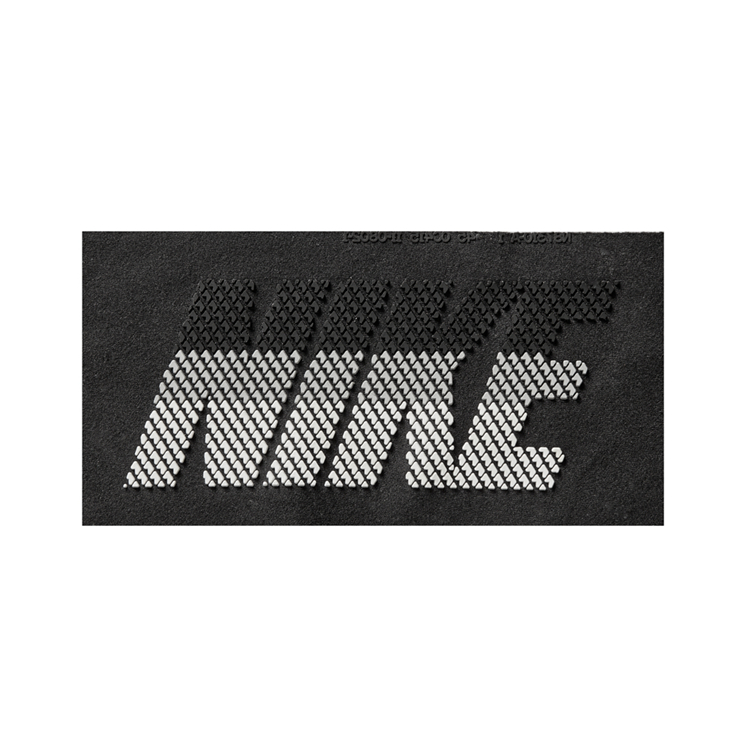
7. Application Scenarios for Rubberized Logo Patches
Rubberized patches are versatile enough to suit a variety of branding scenarios, from permanent logo identification to temporary decorative accents. Here are the most common use cases:
Brand fixed logo identification: Use rubberized patches to display your brand’s core logo on everyday apparel (e.g., hoodies, T-shirts). This ensures consistent branding and builds brand recognition over time.
Team & club customization: Create custom rubberized patches for sports teams, clubs, or organizations. Add team names, logos, or numbers to jerseys, jackets, or caps for a cohesive, professional look.
Limited-edition apparel: Use unique rubberized patches for limited-edition items (e.g., seasonal collections, collaboration pieces). The patch adds exclusivity and makes the garment more collectible.
Outdoor functional clothing: For waterproof or weather-resistant gear, rubberized patches are the perfect choice—they won’t fade or peel in rain, snow, or harsh sunlight, ensuring your logo remains visible even in tough conditions.
8. Pro Tips for Perfect Rubberized Patch & Logo Collocation
To ensure your rubberized patches look professional and last long, keep these tips in mind:
-
Size matters: Match the patch size to the garment—small patches (2-3 inches) work for T-shirts and caps, while larger patches (4-6 inches) are better for jackets and hoodies.
-
Test before mass production: Always test the patch attachment method on a sample garment to ensure it adheres properly and doesn’t damage the fabric.
-
Prioritize logo readability: No matter the style, ensure the logo is clear and easy to recognize—avoid overly complex designs that get lost in the rubber texture.
-
Consider care instructions: Advise customers to wash apparel with rubberized patches inside out and avoid high heat (dryers, irons) to prevent peeling or warping.
Final Thoughts
Rubberized patches are a game-changer for apparel branding—offering durability, versatility, and visual appeal that other logo carriers can’t match. By following the collocation tips in this guide, you can ensure your logo stands out (or fits seamlessly) on any garment, whether you’re creating casual wear, streetwear, uniforms, or outdoor gear.
Remember: the best rubberized patch and logo collocation is one that aligns with your brand’s aesthetic, the garment’s purpose, and your target audience. With the right combination of style, color, and attachment method, rubberized patches can elevate your apparel and make your brand unforgettable.
PEPHAWK is proud to highlight our integrated one-stop service—seamlessly combining professional design, R&D, and manufacturing capabilities to deliver cohesive, end-to-end solutions for our valued clients.
Our core product range covers a diverse selection of high-quality accessories and silicone-based items, including:
- Garment Accessories: Silicone Labels, Micro Fiber Labels, TPU Labels, Leather Labels
- Electronic & Lifestyle Gadgets: Silicone Mobile Phone Skins, Silicone MP3 Skins, Silicone Chaplets, Silicone Bracelets
Beyond our core offerings, we also connect clients with complementary products through our trusted affiliated companies, ensuring all your needs are met under one partnership.
What sets us apart is our specialized expertise in key manufacturing processes: Silk Screen Printing, High-Frequency Welding, Sublimation Printing, Seamless Fabric Processing, and Laser Cutting. These capabilities allow us to serve a wide array of industries—from garments, shoes, caps, and gloves to electronic devices, bags, and sporting equipment—with products that blend durability, functionality, and aesthetic appeal.
At PEPHAWK, customer satisfaction is our top priority. We’re committed to providing responsive, thorough support, and guarantee a same-day response to all inquiries—no exceptions. You can rely on us for consistent quality, reliable delivery, and a partnership that’s as efficient as it is trustworthy.
Whether you’re looking for custom apparel labels, protective silicone skins, or tailored manufacturing solutions, PEPHAWK has the expertise and flexibility to bring your vision to life.
Create Custom Velcro Patches for Style, Function & Versatility
Decorative Patches for Jeans for Styling & Matching




SEND MESSAGE