The Versatility of Rubber Patches in Modern Applications
Explore our extensive collection of rubber patches designed for durability and style. Ideal for personalizing apparel and accessories. Find your perfect patch today!
Rubber patches have become an essential component across various industries due to their durability, flexibility, and adaptability. From industrial machinery to personal protective equipment, these patches play a critical role in enhancing performance and safety. Below, we explore the key areas where rubber patches are making a significant impact.
1. Enhancing Durability in Industrial Equipment
Rubber patches are widely used to reinforce and repair industrial machinery. Their ability to withstand extreme conditions such as high pressure, abrasion, and temperature fluctuations makes them indispensable. For example, conveyor belts in manufacturing plants often rely on rubber patches to extend their lifespan and reduce downtime. By applying rubber patches to worn-out areas, companies can save costs while maintaining operational efficiency.
2. A Key Component in Safety Gear
In the realm of personal protective equipment (PPE), rubber patches are utilized to enhance safety and comfort. These patches are commonly found in gloves, knee pads, and other gear designed to protect workers in hazardous environments. The flexibility of rubber ensures that the patches do not compromise mobility, while their shock-absorbing properties provide an additional layer of protection against impacts and vibrations.
3. Innovative Uses in Automotive Design
The automotive industry has embraced rubber patches for their versatility and resilience. In vehicle manufacturing, rubber patches are used to seal gaps, reduce noise, and improve aerodynamics. Additionally, they are integral to tire repair kits, allowing drivers to quickly fix punctures and continue their journey. This innovation not only enhances user convenience but also contributes to road safety by minimizing breakdowns.
4. Environmental Benefits of Rubber Patches
Sustainability is a growing concern across industries, and rubber patches offer an eco-friendly solution for repairs and enhancements. Instead of replacing entire components, businesses and consumers can use rubber patches to extend the life of products, reducing waste and conserving resources. Furthermore, advancements in recycling technologies have made it possible to produce rubber patches from recycled materials, further supporting environmental conservation efforts.
5. Customization and Aesthetic Appeal
Beyond functionality, rubber patches are also valued for their aesthetic contributions. In fashion and design, custom rubber patches are used to add unique branding or decorative elements to clothing, bags, and accessories. Their ability to be molded into various shapes and colors allows designers to create visually striking pieces that stand out in the market. This dual-purpose application highlights the versatility of rubber patches in both practical and creative domains.
In conclusion, rubber patches are far more than simple repair tools; they are versatile solutions that address a wide range of needs across multiple industries. Whether improving durability, ensuring safety, or contributing to sustainability, rubber patches continue to demonstrate their value in modern applications. As technology advances, we can expect even more innovative uses for this remarkable material.
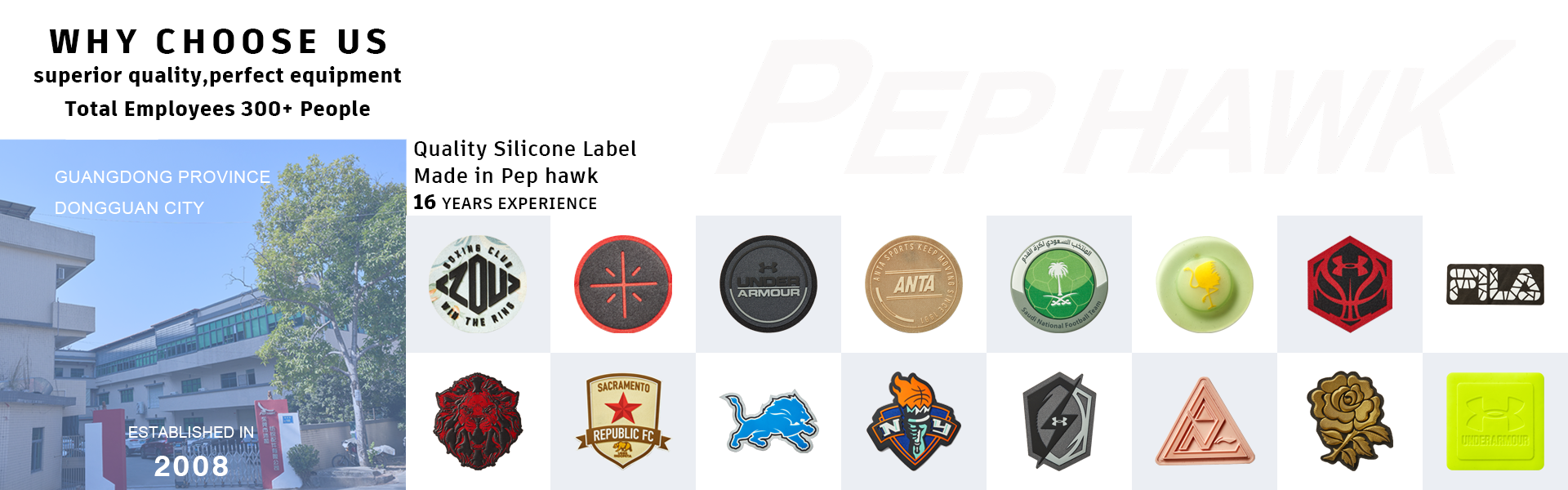
When tackling intricate design projects that demand precision and excellence, PEPHAWK stands as your trusted partner. With 16 years of industry expertise and our general manager’s 31-year legacy in silicone innovation, we specialize in transforming complex logo concepts into flawless realities. Our seasoned team combines technical mastery with creative problem-solving to deliver unmatched quality, ensuring your vision is executed with meticulous attention to detail. Partner with PEPHAWK—where unparalleled experience meets cutting-edge craftsmanship.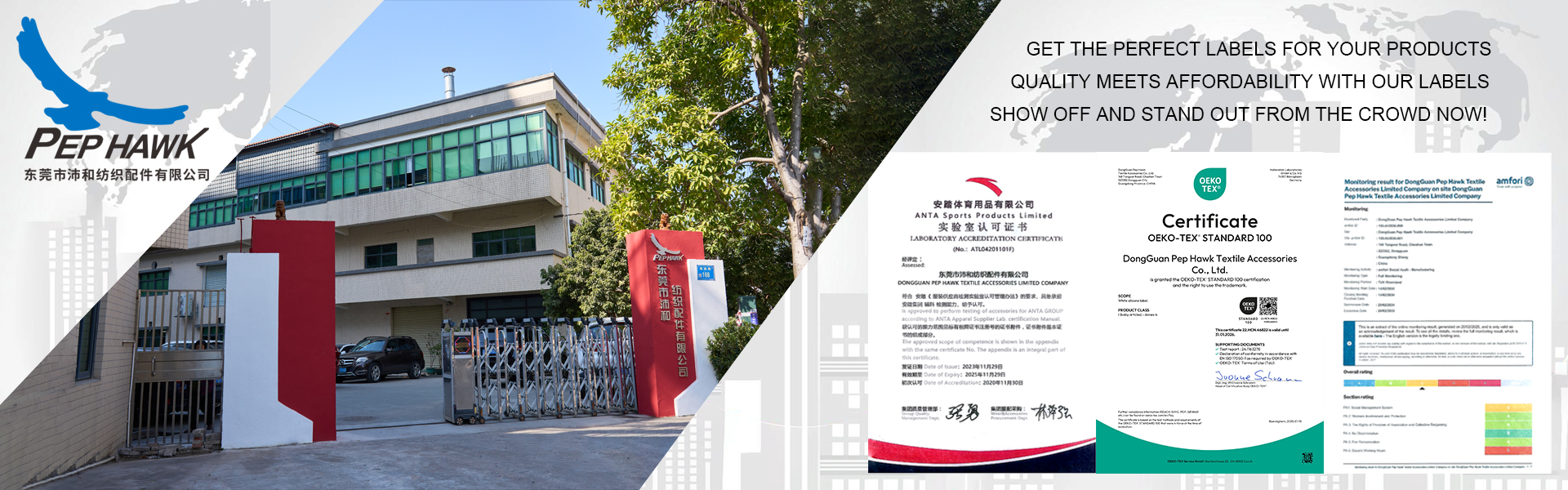
The Growing Popularity of Sublimation Leather Patches
Patch Logo: The Small Yet Mighty Style Statement