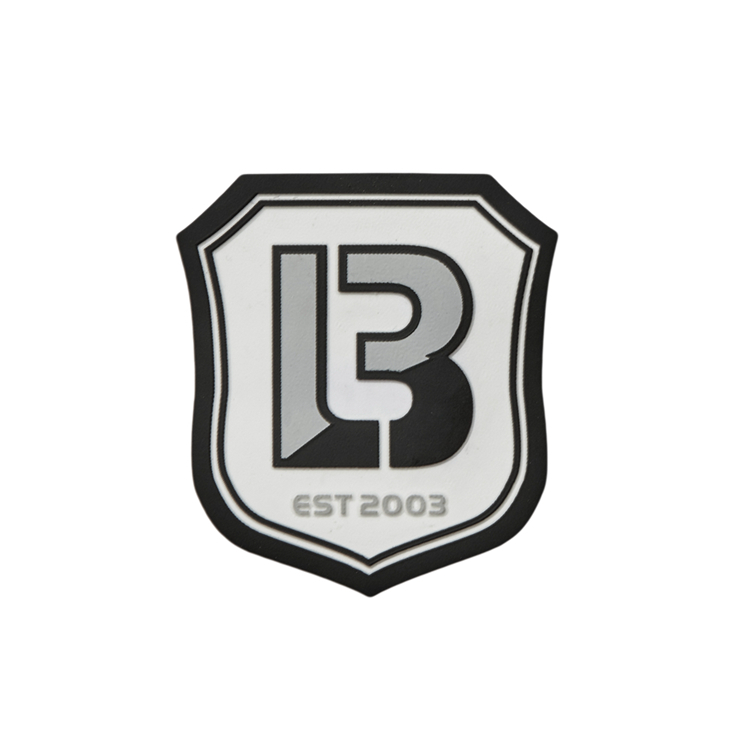
What is the use of rubber logo?
Explore the significance of rubber logos in marketing. Understand their applications in branding, product labeling, and creating lasting impressions.
1. Unmatched Durability Through Rigorous Wear and Care
The primary use of a rubber logo lies in its exceptional resilience. Unlike embroidered patches that can fray or woven labels that may loosen, rubber logos (typically made from Thermoplastic Rubber - TPR or Silicone) withstand repeated washing, intense stretching, and abrasion. This is vital for performance apparel like athletic wear, workwear, and children’s clothing, where logos face constant friction and laundering. The rubber compound bonds securely to the fabric, resisting peeling, cracking, or fading far longer than many alternatives, ensuring the brand remains visible and intact throughout the garment’s lifespan.
2. Superior Comfort Against the Skin
Comfort is non-negotiable in modern apparel. Rubber logos, especially when applied using advanced screen printing or heat transfer techniques, create a smooth, flexible, and lightweight surface. Unlike rigid plastic patches or thick embroidery that can cause chafing or discomfort, a well-applied rubber logo moves with the fabric. This seamless integration is essential for base layers, activewear, and everyday essentials like t-shirts and hoodies, where the logo shouldn’t distract from the wearing experience. The soft-touch finish enhances the perceived quality and wearability of the garment.
3. Vibrant, Complex Design Realization
Rubber logos unlock unparalleled design freedom. They excel at reproducing intricate details, sharp edges, photorealistic imagery, and gradients impossible with traditional embroidery (limited by thread count and stitch angles). Crucially, they support full-color printing with exceptional vibrancy and opacity, even on dark fabrics – a significant limitation for embroidery. This allows brands to use their exact logo colors, complex illustrations, or detailed typography without compromise, strengthening visual identity and shelf appeal. The ability to create subtle 3D effects (like raised lettering or textured surfaces) through layered printing adds premium tactile dimension.
4. Cost-Effective Branding for Diverse Production Scales
While setup costs exist for screens or digital transfers, rubber logos offer significant economic advantages, particularly for complex designs or smaller batches. Embroidery requires expensive digitization and thread changes for multi-color logos, becoming prohibitively costly for intricate artwork. Rubber printing, especially digital heat transfers or advanced screen printing, handles multi-color designs more efficiently. This makes high-fidelity branding accessible to emerging designers and allows established brands to apply detailed logos cost-effectively across wider product ranges, from premium jackets to budget-friendly basics.
5. Material Versatility Across Fabric Types
Rubber logos adhere effectively to an incredibly wide range of apparel fabrics – a critical functional use. They bond well with cotton, polyester, blends, performance knits (like moisture-wicking mesh), fleece, and even some delicate materials where embroidery hoops might cause damage. This universal compatibility simplifies production logistics for brands using diverse fabrications within a single collection (e.g., a logo appearing identically on a cotton tee, a polyester windbreaker, and a fleece hoodie). The consistent application method ensures brand uniformity across the entire product line.
6. Enhanced Brand Perception and Premium Feel
Strategically, rubber logos are leveraged to elevate brand perception. The smooth, often slightly raised, and consistently colored finish conveys a modern, high-quality, and intentional aesthetic. Luxury streetwear brands utilize matte or gloss-finished rubber logos for a clean, upscale look. Performance brands employ them to signal technical innovation and durability. The precision achievable avoids the "handmade" imperfections sometimes associated with embroidery, projecting a contemporary, tech-savvy, and reliable brand image that resonates with discerning consumers seeking both style and substance.
7. Streamlined Application and Production Efficiency
From a manufacturing perspective, rubber logos (especially heat transfers) enable faster, more automated application compared to embroidery, which is slower and requires skilled machine operation. Heat presses can apply a finished logo in seconds, integrating seamlessly into high-speed production lines. Screen printing, while requiring setup, is also highly efficient for larger runs. This speed-to-market is crucial in fast fashion and responsive supply chains, allowing brands to launch new designs featuring prominent logos quickly and consistently without production bottlenecks.
8. Sustainability Potential (Emerging Advantage)
While traditional rubber compounds posed environmental challenges, the industry is rapidly evolving. Increasingly, eco-rubber logos made from recycled materials, bio-based TPR, or water-based, PVC-free inks are becoming available. These offer a more sustainable branding solution compared to conventional plastisol prints or resource-intensive embroidery. For brands committed to eco-credentials, specifying sustainable rubber logo options provides a tangible way to reduce environmental impact while maintaining branding quality – a growing consumer expectation.
When confronted with the task of producing intricate design drafts of the highest quality, PEPHAWK is here to provide the perfect solution. With over 16 years of industry experience and our esteemed general manager boasting 31 years of expertise in the silicone industry, we are the ultimate choice for tackling your challenging logo design projects. Select PEPHAWK for our unmatched proficiency and rest assured in the impeccable outcomes we consistently deliver.
Top 10 Most Common Label Types Explained
What are some flag symbols?