

How to Match Rubber Badges for Clothing: A Complete Guide for Every Style & Occasion
2026-04-03
📋 Table of Contents
Rubber badges—also known as soft PVC badges or silicone badges—have become a staple in the fashion world. Lightweight, durable, and highly customizable
Unlike metal or fabric badges, rubber badges offer flexibility and a smooth texture that complements almost every fabric, from cotton tees to heavy denim jackets. Whether you’re looking to elevate a casual look, highlight a brand logo, or add a playful detail to kids’ clothing, mastering the art of matching rubber badges is easier than you think.
In this guide, we’ll break down everything you need to know: basic matching principles, tips for different clothing types, style-specific matching, and practical details to ensure your rubber badges look intentional—not afterthoughts. Let’s dive in.
1. Basic Matching Principles for Rubber Badges
Before we get into specific clothing types, let’s cover the foundational rules that apply to every搭配. These principles will help you avoid common mistakes and ensure your badges enhance your outfit, not distract from it.
1.1 Size Matching: Balance Is Key
The size of your rubber badge should correlate with the area of the clothing you’re attaching it to. A large badge on a small piece of clothing will look overwhelming, while a tiny badge on a large surface will go unnoticed.
| Clothing Area | Recommended Badge Size | Example |
|---|---|---|
| Collar, Cuffs, Pocket Edge | 1–2 inches (2.5–5 cm) | Mini round badge on a T-shirt collar |
| Left Chest (Tees, Shirts) | 2–3 inches (5–7.6 cm) | Rectangular logo badge on a polo shirt |
| Chest (Hoodies, Jackets) | 3–4 inches (7.6–10 cm) | 3D rubber badge on a denim jacket chest |
| Back, Shoulder Panels | 4–6 inches (10–15 cm) | Oversized shaped badge on a windbreaker back |
Pro tip: Avoid oversized badges on slim-fit clothing—they can bunch up the fabric and ruin the sleek silhouette. For tight-fitting tees or tanks, stick to badges under 2 inches.
1.2 Color Coordination: Contrast or Complement
Color is one of the most important factors in badge搭配. The goal is to make your badge stand out (without clashing) or blend in (for a subtle look), depending on your style.
| Matching Style | How to Do It | Example |
|---|---|---|
| Contrast Colors | Pair light badges with dark clothing or dark badges with light clothing | Neon pink badge on a black hoodie; black badge on a white tee |
| Similar Tones | Choose badges in the same color family as the clothing (e.g., pastels with pastels) | Light blue badge on a sky blue shirt; muted gray badge on a charcoal jacket |
| Accent Color | Match the badge to a small accent color in the clothing (e.g., stripes, logos) | Red badge on a navy tee with red stripes; yellow badge on a green hoodie with yellow drawstrings |
Pro tip: For busy prints (e.g., florals, plaids), use a solid-color rubber badge in a neutral tone (black, white, gray) to avoid visual clutter.
1.3 Quantity Control: Less Is Often More
The number of badges you use depends on your personal style, but overcrowding an outfit can make it look messy. Here’s a quick guide:
-
Minimalist/Casual Style: 1–2 badges (focus on one focal point)
-
Streetwear/Hip-Hop Style: 3–5 small badges (grouped or scattered strategically)
-
Kids’ Clothing: 2–3 playful badges (avoid covering too much fabric)
-
Formal/Casual Workwear: 1 small, low-profile badge (no bright colors or bold shapes)
Pro tip: If using multiple badges, stick to a consistent theme (e.g., all cartoon characters, all brand logos) to keep the look cohesive.
1.4 Position Selection: Highlight the Right Spots
Where you place your rubber badge can change the entire look of the outfit. Here are the most common (and most flattering) positions:
| Clothing Type | Best Positions | Why It Works |
|---|---|---|
| Tees/Polo Shirts | Left chest, pocket edge, collar placket | Draws attention to the upper body without overwhelming the simple design |
| Hoodies/Sweatshirts | Chest, sleeve, hood drawstring area | Adds detail to a plain, cozy garment |
| Jackets/Coats | Shoulder, sleeve panel, back yoke | Complements the structured design of outerwear |
| Kids’ Clothing | Front center, shoulder, pocket | Easy for kids to show off and safe (no loose parts near the neck) |

2. Matching Rubber Badges by Clothing Type
Different clothing types have unique fabrics, fits, and purposes—so your badge matchingshould adapt accordingly. Below, we’ll break down the best practices for the most common garments.
2.1 T-Shirts & Polo Shirts
T-shirts and polo shirts are the most versatile pieces to pair with rubber badges. They’re simple, casual, and provide a blank canvas for your accessories.
For basic cotton tees: Stick to small to medium-sized badges (1.5–3 inches) on the left chest or pocket. A mini round badge on the collar placket adds a subtle, sophisticated detail.
For polo shirts: Opt for a sleek, rectangular rubber badge on the left chest—this mimics the classic logo placement of many polo brands. Avoid large badges, as they can clash with the polo’s structured collar.
Pro tip: For graphic tees, place the badge on the opposite side of the graphic to balance the look. For example, if the graphic is on the right chest, put the badge on the left.
2.2 Hoodies & Sweatshirts
Hoodies and sweatshirts are cozy and casual, making them perfect for rubber badges that add a playful or edgy touch. Their soft fabric pairs well with the smooth texture of rubber.
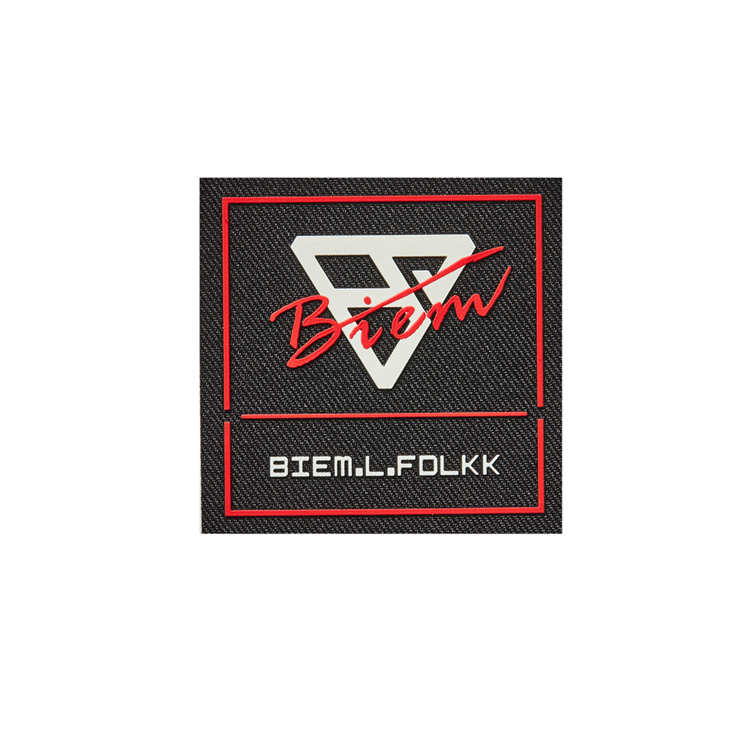
Medium-sized 3D rubber badges (3–4 inches) work best on the chest—they stand out without being too big. For a fun twist, attach a small badge to the hood drawstring or the sleeve cuff.
For oversized hoodies: You can get away with a larger badge (4–5 inches) on the back or chest. This adds visual interest to the baggy silhouette.
| Hoodie Color | Badge Color Recommendation | Badge Size |
|---|---|---|
| Black/Gray | Neon, white, or bright pastels | 3–4 inches |
| White/Cream | Black, navy, or muted earth tones | 2.5–3.5 inches |
| Bright Colors (Red, Blue, Green) | White, black, or complementary pastels | 3 inches |
2.3 Jackets & Coats
Jackets and coats—from denim jackets to cargo coats to windbreakers—are ideal for rubber badges because their structured fabric can support larger, bolder designs.
Denim jackets: A 3–4 inch rubber badge on the chest or shoulder looks classic. For a streetwear vibe, add 2–3 small badges on the sleeve or back.
Cargo jackets: Tactical or tool-shaped rubber badges (e.g., compass, pocket knife) in earth tones (khaki, olive, black) complement the jacket’s utilitarian style. Place them on the shoulder panels or cargo pocket flaps.
Windbreakers: Lightweight rubber badges (2.5–3.5 inches) work best—avoid heavy badges that weigh down the fabric. Place them on the chest or sleeve for a sporty look.
2.4 Shirts (Casual & Work Shirts)
Casual and work shirts (button-downs, flannel, workwear shirts) require a more subtle approach to rubber badges—you don’t want to look unprofessional.
Casual button-downs: Tiny, delicate rubber badges (1–1.5 inches) on the collar tip or chest pocket add a subtle detail without being distracting. Stick to neutral colors (black, white, gray) or colors that match the shirt’s accent threads.
Workwear shirts (e.g., Carhartt-style): Small to medium badges (2–3 inches) in earth tones or bold colors (red, blue) work well. Place them on the chest or sleeve to complement the shirt’s rugged design.
Pro tip: For business-casual outfits, use a low-profile, color-matching badge—this keeps the look polished while adding a personal touch.
2.5 Kids’ Clothing
Rubber badges are perfect for kids’ clothing—they’re soft, safe (no sharp edges), and can be customized with fun shapes and characters.
Stick to cartoon-shaped or animal-shaped rubber badges in bright, cheerful colors (red, yellow, blue, pink). Place them on the front center, shoulder, or pocket—avoid the neck or hood area for safety.
For baby clothes: Use mini badges (1–1.5 inches) on onesies or rompers—they’re cute without being too big. For older kids (5+), 2–3 inch badges work well on tees, hoodies, and jackets.
| Kids’ Clothing Type | Badge Style | Safety Note |
|---|---|---|
| Onesies/Rompers | Mini cartoon badges (1–1.5 inches) | Place on front center (away from neck) |
| Tees/Hoodies | 2–3 inch character/animal badges | Avoid loose badges—ensure they’re securely attached |
| Jackets | 2–3 inch playful badges (stars, hearts, animals) | Place on shoulder or chest (no small parts) |
3. Matching by Fashion Style
Your personal style should guide your badge搭配. Whether you prefer streetwear, minimalism, or workwear, there’s a way to incorporate rubber badges that fits your vibe.
3.1 Streetwear & Hip-Hop Style
Streetwear is all about bold, eye-catching details—and rubber badges are perfect for this style. Think large, colorful, irregularly shaped badges that make a statement.
Stack multiple small badges (1.5–2 inches) on the sleeves or back of a hoodie or jacket. Mix and match colors (neon, black, white) and shapes (stars, logos, abstract designs) for a chaotic yet cohesive look.
Pro tip: Pair oversized rubber badges with baggy clothing (oversized tees, cargo pants) to keep the proportions balanced.
3.2 Cargo & Workwear Style
Cargo and workwear styles are utilitarian and rugged, so your badges should complement that aesthetic. Opt for tactical or tool-shaped rubber badges (e.g., axes, compasses, military logos) in earth tones (khaki, olive, brown, black).
Keep the quantity low—1–2 medium-sized badges (3–4 inches) on the shoulder or chest. Avoid bright colors or playful shapes, as they’ll clash with the style’s ruggedness.
3.3 Minimalist & Casual Daily Style
Minimalism is about simplicity and clean lines, so your rubber badges should be subtle and understated. Stick to small, solid-color badges (1–2 inches) in neutral tones (black, white, gray, beige).
Use a single badge on the chest of a plain tee, hoodie, or shirt—this adds a small detail without disrupting the clean look. Avoid patterns or bright colors, as they’ll make the outfit look cluttered.
3.4 Sportswear (Activewear, Team Uniforms)
Sportswear requires badges that are durable, flexible, and functional—rubber badges check all these boxes. They’re resistant to sweat and movement, making them perfect for gym clothes or team uniforms.
For team uniforms: Use logo or text rubber badges that match the team’s colors. Place them on the chest or sleeve for visibility. Opt for flexible badges that move with the body—avoid rigid designs that might chafe.
For activewear (leggings, workout tees, hoodies): Small, lightweight badges (1.5–2 inches) on the hip or sleeve. Stick to moisture-wicking rubber materials to avoid discomfort during workouts.
4. Practical Matching Tips & Details
Even if you follow the basic rules, small details can make a big difference in how your rubber badges look. Here are some practical tips to take your搭配 to the next level.
4.1 Coordinate Badge Texture with Clothing Fabric
Rubber badges come in different textures—smooth, matte, glossy, or 3D. Match the texture to your clothing fabric for a cohesive look:
-
Knitwear (sweaters, hoodies): Smooth or matte rubber badges—they won’t catch on the fabric.
-
Woven fabrics (shirts, jackets): 3D or glossy badges—they add texture to the structured fabric.
-
Cotton (tees, tanks): Any texture works—choose based on your style.
4.2 Use Badges to Highlight Brand Logos or Themes
If you’re wearing clothing from a specific brand, use a rubber badge with the brand’s logo to reinforce the look. For example, a Nike tee paired with a small Nike rubber badge on the sleeve adds a cohesive, branded touch.
You can also use badges to highlight a theme—e.g., a nature-themed outfit (flannel shirt, khaki pants) paired with a leaf-shaped rubber badge.
4.3 Seasonal Matching
Adjust your badge colors and sizes based on the season to keep your outfit on-trend:
-
Spring/Summer: Bright, light-colored badges (pastels, neon) in small to medium sizes—they complement light, airy clothing.
-
Autumn/Winter: Dark, warm-toned badges (black, brown, burgundy) in medium to large sizes—they pair well with heavy, dark clothing.
4.4 Avoid Conflicting with Existing Prints/Patterns
If your clothing has a bold print (e.g., florals, plaids, stripes), keep your rubber badge simple. A solid-color, small badge will complement the print without clashing.
If your clothing is plain, you can be more creative with your badge—use a bold shape or color to add visual interest.
5. Conclusion
Rubber badges are a versatile, affordable way to upgrade any outfit. By following the basic principles of size, color, quantity, and position, you can create looks that are intentional, stylish, and unique to you.
Remember: There are no hard and fast rules—fashion is about self-expression. Feel free to experiment with different badge sizes, colors, and positions to find what works for you. Whether you’re going for a casual, edgy, or professional look, rubber badges can add that extra touch to make your outfit stand out.
So grab your favorite rubber badges, pick out your go-to clothing, and start experimenting—you’ll be surprised at how much a small badge can transform your look!
PEPHAWK is proud to highlight our integrated one-stop service—seamlessly combining professional design, R&D, and manufacturing capabilities to deliver cohesive, end-to-end solutions for our valued clients.
Our core product range covers a diverse selection of high-quality accessories and silicone-based items, including:
- Garment Accessories: Silicone Labels, Micro Fiber Labels, TPU Labels, Leather Labels
- Electronic & Lifestyle Gadgets: Silicone Mobile Phone Skins, Silicone MP3 Skins, Silicone Chaplets, Silicone Bracelets
Beyond our core offerings, we also connect clients with complementary products through our trusted affiliated companies, ensuring all your needs are met under one partnership.
What sets us apart is our specialized expertise in key manufacturing processes: Silk Screen Printing, High-Frequency Welding, Sublimation Printing, Seamless Fabric Processing, and Laser Cutting. These capabilities allow us to serve a wide array of industries—from garments, shoes, caps, and gloves to electronic devices, bags, and sporting equipment—with products that blend durability, functionality, and aesthetic appeal.
At PEPHAWK, customer satisfaction is our top priority. We’re committed to providing responsive, thorough support, and guarantee a same-day response to all inquiries—no exceptions. You can rely on us for consistent quality, reliable delivery, and a partnership that’s as efficient as it is trustworthy.
Whether you’re looking for custom apparel labels, protective silicone skins, or tailored manufacturing solutions, PEPHAWK has the expertise and flexibility to bring your vision to life.
Iron-On Name Transfers for Easy, Custom Identification
How to Choose the Perfect Small Iron-On Patches: A Practical way for Beginners & DIY Enthusiasts




SEND MESSAGE