

Different Designs of Rubber Patches and Their Features
Custom rubber patches with durable, waterproof designs. Perfect for military apparel and gear branding. Explore 3D, Velcro, and sew-on options for lasting customization.
Rubber patches, particularly those made from polyvinyl chloride (PVC), have become a popular choice for customization in apparel, branding, and industrial applications due to their durability, flexibility, and aesthetic appeal. Below is a detailed overview of the primary rubber patch designs and their unique characteristics:
1. PVC (Polyvinyl Chloride) Rubber Patches
PVC rubber patches, often referred to as "rubber morale patches," are crafted from polyvinyl chloride, a synthetic plastic polymer. These patches are known for their waterproof, dimensional, and flat-finish properties, making them ideal for both functional and decorative purposes. They are commonly used in military, law enforcement, and outdoor gear to display logos, insignias, or motivational slogans. The material allows for intricate designs, including raised or embossed elements, which add a tactile and visual depth to the patch. Their durability ensures they withstand harsh conditions, such as extreme weather or frequent washing, without fading or losing shape.

2. Velcro PVC Rubber Patches
Velcro fastening is a modern solution for attaching rubber patches to garments or gear. These patches feature a hook-and-loop mechanism: one side has small hooks (a soft fiber), while the other side has loops, enabling easy attachment and removal. This design is widely used in tactical wear, uniforms, and reusable banners, as it allows for quick customization without damaging the base material. Velcro patches are often paired with PVC rubber for added resilience, ensuring they remain securely fastened during rigorous activities.

3. Sew-On Rubber Patches with Grooves
For permanent attachment, sew-on rubber patches are designed with grooves or pre-stitched edges to facilitate easy sewing onto fabrics. This method is popular for jackets, bags, and workwear, where a seamless integration of the patch into the garment is desired. The grooves help distribute stress evenly across the patch, reducing the risk of tearing or fraying over time. While less common than Velcro options, sew-on patches offer a traditional, polished look that complements embroidered or woven fabrics.

4. 3D Soft PVC Rubber Patches
Soft PVC patches are a modern alternative to traditional embroidered labels, offering a pliable and lightweight design. These patches are molded into three-dimensional shapes, allowing for raised textures and curved surfaces that mimic the appearance of silicone. They are frequently used in fashion and sports apparel for branding or decorative accents. The softness of the material ensures comfort against the skin, while its flexibility maintains structural integrity even after repeated use.

5. Sublimated/Printed Rubber Patches
Sublimation technology enables the creation of rubber patches with photorealistic designs, gradients, and complex color schemes. Unlike traditional embroidery, sublimated patches use heat to transfer dyes directly onto the rubber surface, resulting in vibrant, high-resolution graphics. This method is ideal for logos, photographs, or artistic illustrations. However, sublimated rubber patches may require a protective coating to prevent fading under prolonged UV exposure.

6. Waterproof and Durable PVC Patches
Designed for outdoor or industrial use, waterproof rubber patches are engineered to resist moisture, chemicals, and abrasion. These patches often feature a flat finish with reinforced edges to prevent peeling or warping. They are commonly applied to marine equipment, safety gear, and outdoor apparel. The waterproofing process involves sealing the PVC material with a protective layer, ensuring longevity even in harsh environments.
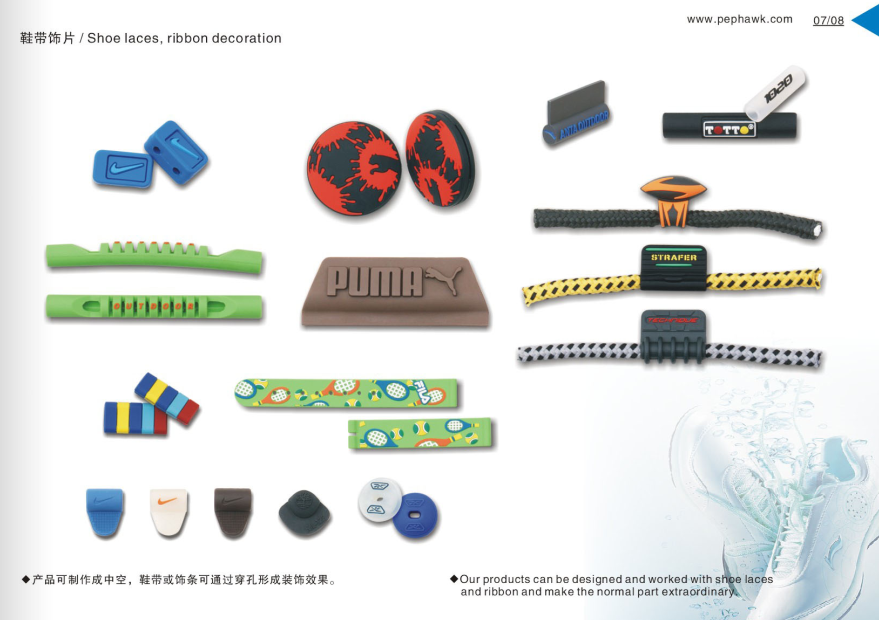
7. Decorative and Labeling Rubber Patches
Rubber patches are widely used as decorative elements on garments, bags, and accessories. Their ability to retain color vibrancy and resist fading makes them suitable for permanent labels, brand tags, or personalized designs. For example, simple emerald-green patches with embossed text are popular for minimalist branding, while complex designs with layered textures add visual interest to casual wear. These patches are machine-washable, making them practical for everyday use.

8. Applications Across Industries
Rubber patches are versatile across sectors:
- Apparel: Jackets, hats, and uniforms for branding.
- Military/Law Enforcement: Identification badges, unit insignias, and morale patches.
- Outdoor Gear: Waterproof patches for tents, backpacks, and boots.
- Fashion: Customized accessories like bags and shoes.
- Industrial: Labels for machinery, tools, or safety equipment.

Conclusion
The evolution of rubber patch designs—from Velcro-fastened PVC to 3D soft PVC—reflects their adaptability to diverse needs. Whether for durability in extreme conditions, ease of customization, or aesthetic appeal, rubber patches offer a blend of functionality and creativity. Their compatibility with sewing, Velcro, and sublimation techniques ensures they remain a staple in both commercial and personal projects, catering to modern demands for innovation and quality.
Designs of Iron-On Patches Using Different Silicone Materials
Custom Iron-On Patches: Bridging Esports Culture and Innovative Design



