

How to Craft Reusable Rubber Patches Without Breaking the Bank
Shop innovative reusable rubber patches that combine style and sustainability. Customize your items effortlessly while making an eco-conscious choice.
Picture this: You’re hiking in your favorite jacket when rip!—a branch turns your sleeve into modern art. Or your kid’s inflatable pool lizard springs a leak mid-summer splash party. Before you panic-buy replacements (or drown in regret), let’s talk about reusable rubber patches. These flexible, funky fixes aren’t your grandma’s stiff fabric squares—they’re the Swiss Army knife of repairs, and designing them yourself is cheaper than your weekly coffee habit. Let’s geek out on how to plan your patch empire without needing an MBA.
Why Rubber? Because Life’s Messy (and That’s Okay)
First, why rubber? Unlike flimsy fabric patches, rubber patches laugh at water, UV rays, and even your dog’s “enthusiastic” cuddles. Silicone rubber—the star player here—isn’t just durable; it’s safe. Internationally recognized as non-toxic and tasteless, it won’t poison your picnic blanket or your toddler’s chewed-on backpack strap. Plus, it’s flexible enough to bend with your gear, not against it. Imagine a patch that moves with your hiking boots instead of cracking like old gum—game changer!
Design: Where Your Inner Picasso Shines
Here’s the fun part: you’re the boss. Want a 3D octopus patch for your dive bag? Done. A glow-in-the-dark constellation for your kid’s bike helmet? Absolutely. Most manufacturers let you customize shapes up to 4x4 inches—perfect for subtle flair without turning your tote into a billboard. Pro tip: Simpler designs = happier wallet. Intricate details or 50+ colors? That’ll hike up costs faster than a steep trail. Stick to 2-3 colors (like navy and gold for that “I’m fancy but practical” vibe) to keep production smooth.
And don’t sleep on texture! Soft PVC rubber patches give that squishy, high-end feel compared to flat embroidery. Think of it like choosing between a stiff collared shirt and your comfiest hoodie—why wouldn’t you pick cozy?
Cost Breakdown: From “Wait, Really?” to “Heck Yes!”
Let’s cut to the chase: bulk is your BFF. Ordering 500+ patches slashes costs to just $0.20–$0.80 per patch, depending on complexity. That’s less than a gumball! But here’s the kicker: Retailers often sell similar patches for $4–$27. Why the gap? Middlemen, markup, and that fancy store lighting. If you’re crafting for a small biz (or your scout troop’s fundraiser), skipping retail markup = instant profit.
Still nervous about ordering 500? Test the waters with a virtual proof—most online designers show a digital mockup before you commit. No more “oops, my logo looks like a potato” surprises. And if you’re DIY-ing at home? Grab a $10 rubber sheet from Amazon, trace your design, and use a heat sealer (yes, that thing collecting dust in your closet) to bond it. Total cost? Under $20 for 10 patches. Your future self will high-five you.
The Nitty-Gritty: How Patches Actually Get Made
No, it’s not magic (though it feels like it). The process is simpler than assembling IKEA furniture:
- Cut: Rubber sheets get sliced into your shape—laser-cut for crisp edges or die-cut for bulk orders.
- Print/Emboss: Add colors or 3D textures (like raised letters for that “touch-me” effect).
- Seal: Heat or adhesive locks it all together. Boom—patch born!
For small batches, skip heavy machinery. Use printable rubber sheets (yes, they exist!) and an iron. For big orders, lean on manufacturers with “state-of-the-art equipment” to avoid wonky edges. Your call: sweat equity or outsource to the pros.
Real Talk: My First Patch Disaster (and What I Learned)
Confession: My debut patch was a hot mess. I ordered 500 custom lizard-shaped patches (because obviously), but forgot to check the 4x4 inch limit. Result? Half arrived looking like abstract art. Lesson: Measure twice, order once. Also, start with 100 patches instead of 500—your bank account (and ego) will thank you.
Another blunder? Choosing metallic ink. Gorgeous in photos, but it peeled off after two washes. Stick to solvent-based dyes for longevity. Your patch shouldn’t ghost you after one rainstorm.
Eco-Win: Saving Cash and the Planet
Here’s the cherry on top: reusable patches cut waste. Tossing a $50 jacket over a tiny hole? That’s 20+ lbs of CO2 emissions. Fix it with a patch, and you’re basically a climate hero (with better-dressed gear). Plus, rubber lasts years—unlike disposable tape that dries up faster than your New Year’s resolutions.
Your Turn: Patch On, Fearless One!
Ready to start? Here’s your cheat sheet:
- Design: Keep it under 4x4”, 2-3 colors max. Use free tools like Canva to mock it up.
- Cost: Order 500+ for bulk rates ($0.20/patch), or DIY with printable sheets.
- Test: Request a sample first—your future self will weep with gratitude.
Whether you’re mending a backpack, jazzing up a cap, or launching a merch line, reusable rubber patches are your secret weapon. They’re cheap, cheeky, and kinder to Earth than fast fashion. So grab that ripped gear, channel your inner artist, and remember: every patch is a tiny rebellion against “throwaway culture.” Now go forth—and patch like nobody’s watching!
When confronted with the task of producing intricate design drafts of the highest quality, PEPHAWK is here to provide the perfect solution. With over 16 years of industry experience and our esteemed general manager boasting 31 years of expertise in the silicone industry, we are the ultimate choice for tackling your challenging logo design projects. Select PEPHAWK for our unmatched proficiency and rest assured in the impeccable outcomes we consistently deliver.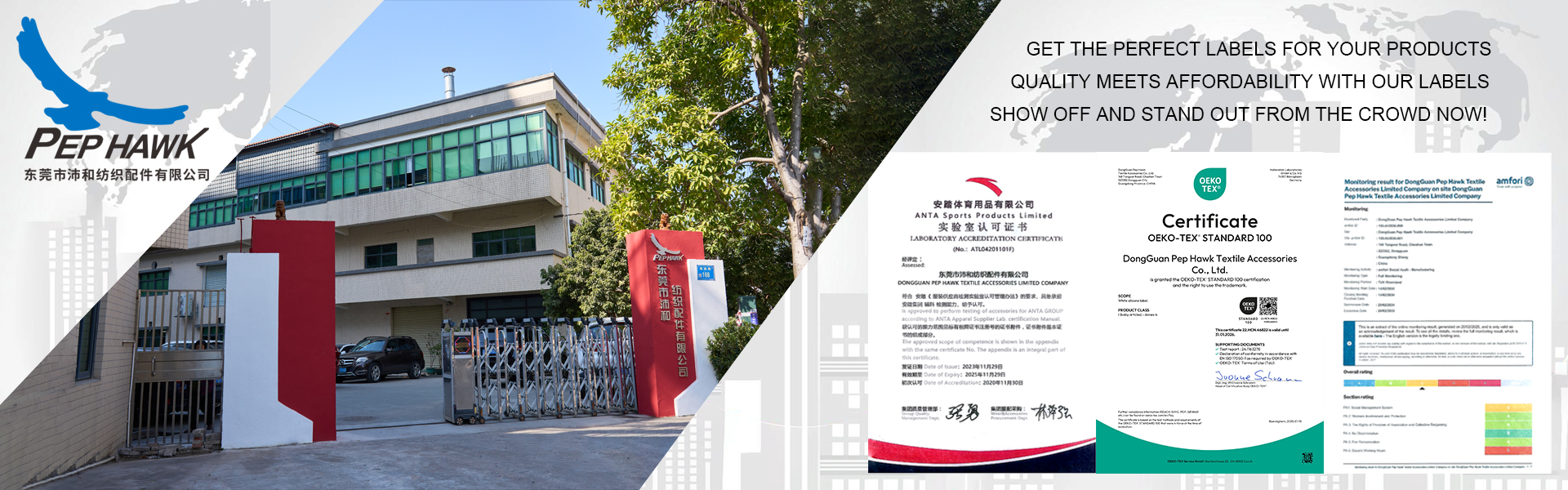
Mastering Cost Optimization and Design Innovation with Chenille Patches
Designing Identity: Creative Logo Concepts for Badge Stickers



