

Mirror, Mirror: How Reflective Logos Reflect Brand Identity
Elevate your brand with striking reflective logos. Learn how these eye-catching designs can boost recognition and stand out in any environment.
In the world of branding, a logo is more than just a symbol—it’s a visual promise. Among the many design philosophies, reflective logos stand out for their ability to mirror creativity, symmetry, and meaning. From luxury fashion to tech giants, reflective logos leverage balance, light, and symbolism to leave a lasting impression. Let’s dive into the trends, techniques, and iconic examples that make reflective logos shine.
The Power of Symmetry: A Timeless Design Principle
Symmetry has long been a cornerstone of effective logo design. Reflective logos often employ bilateral symmetry (mirror-image balance) or radial symmetry (repeating patterns around a central point) to evoke harmony and stability. For instance, Chanel’s interlocking Cs are a masterclass in reflective symmetry, blending elegance with timeless sophistication . Similarly, Motorola’s stylized M uses mirrored peaks and valleys to create a sense of dynamic equilibrium .
Designers favor symmetry because it subconsciously signals reliability. As BrandCrowd notes, “Reflection symmetry immediately makes a logo feel complete and stable” . This principle isn’t just aesthetic—it’s psychological. A balanced logo reassures viewers, making it ideal for industries like finance, healthcare, and luxury goods.
From Light to Meaning: Reflective Logos in Action
While symmetry is a visual tool, reflective logos can also refer to designs that physically interact with light. Think of road signs with retroreflective materials or logos embedded with glossy finishes. However, the term often extends to metaphorical reflection—logos that mirror a brand’s values or story.
For example, Jaguar’s minimalist logo reflects its heritage of sleek, high-performance vehicles, while Bose’s dynamic animations convey innovation and energy . Even playful brands like RSPCA use approachable, reflective designs to connect with audiences . These examples show how reflection—whether literal or symbolic—can deepen a brand’s narrative.
Trends Shaping Reflective Logos in 2025
As we enter 2025, reflective logos are evolving alongside broader design trends. Here’s what’s trending:
-
Minimalism with a Twist
Simple shapes and negative space are dominating, but with a reflective edge. Brands are using fluid geometric minimalism to create logos that “look different from various angles,” mimicking the play of light and shadow . For instance, a logo might feature a subtle gradient that shifts when viewed from the side, creating a sense of depth. -
Eco-Conscious Reflections
Sustainability is reshaping design. Reflective logos now incorporate eco-friendly materials, like recycled metals or biodegradable inks, to align with green values. A logo for a solar energy company might use a sunburst motif with a mirrored finish, symbolizing both innovation and environmental stewardship . -
3D and Animated Reflections
With advancements in digital design, logos are becoming interactive. 3D logos can “reflect” user interactions, while animations add layers of meaning. Imagine a tech brand’s logo that glows brighter as users engage with it, symbolizing growth and connection . -
Cultural and Emotional Resonance
Reflective logos are increasingly tied to storytelling. For example, a nonprofit might use a logo with a “thought bubble” or nature-inspired elements to evoke empathy and introspection . These designs don’t just look good—they invite viewers to reflect on the brand’s mission.
Case Studies: Icons of Reflection
Let’s examine some standout examples:
- Chanel’s Double C: This logo’s mirrored design isn’t just elegant; it’s a nod to the brand’s heritage of craftsmanship. The symmetry reflects Chanel’s commitment to precision and luxury .
- Apple’s Bite: While not symmetrical, Apple’s logo uses negative space to create a “reflection” of curiosity. The missing bite invites viewers to ponder the brand’s innovative spirit .
- Nike’s Swoosh: The swoosh’s fluid curve mirrors the motion of athletic movement, embodying the brand’s focus on speed and agility. Its simplicity ensures it remains recognizable across cultures and contexts .
Challenges and Considerations
Designing a reflective logo isn’t without hurdles. Over-reliance on symmetry can lead to blandness, while overly complex reflective elements might confuse viewers. The key is balance. As the BrandCrowd guide emphasizes, “A reflective logo should feel natural, not forced” .
Additionally, physical reflective materials require careful consideration. For instance, a retroreflective logo on a safety sign must meet specific visibility standards, while a digital logo needs to adapt to varying screen sizes and lighting conditions.
The Future of Reflective Logos
As technology advances, we’ll likely see more interactive and adaptive reflective logos. Augmented reality (AR) could allow logos to “reflect” user data, creating personalized experiences. Meanwhile, sustainability will drive innovations in materials and methods.
In 2025, reflective logos are more than just visual tools—they’re statements. They reflect a brand’s identity, values, and vision, creating connections that transcend aesthetics. Whether through symmetry, light, or meaning, these logos remind us that great design isn’t just seen; it’s felt.
So, the next time you encounter a logo that “shines,” take a moment to reflect on what it represents. After all, as the saying goes: “The mirror shows the face, but the logo shows the soul.”
When confronted with the task of producing intricate design drafts of the highest quality, PEPHAWK is here to provide the perfect solution. With over 16 years of industry experience and our esteemed general manager boasting 31 years of expertise in the silicone industry, we are the ultimate choice for tackling your challenging logo design projects. Select PEPHAWK for our unmatched proficiency and rest assured in the impeccable outcomes we consistently deliver.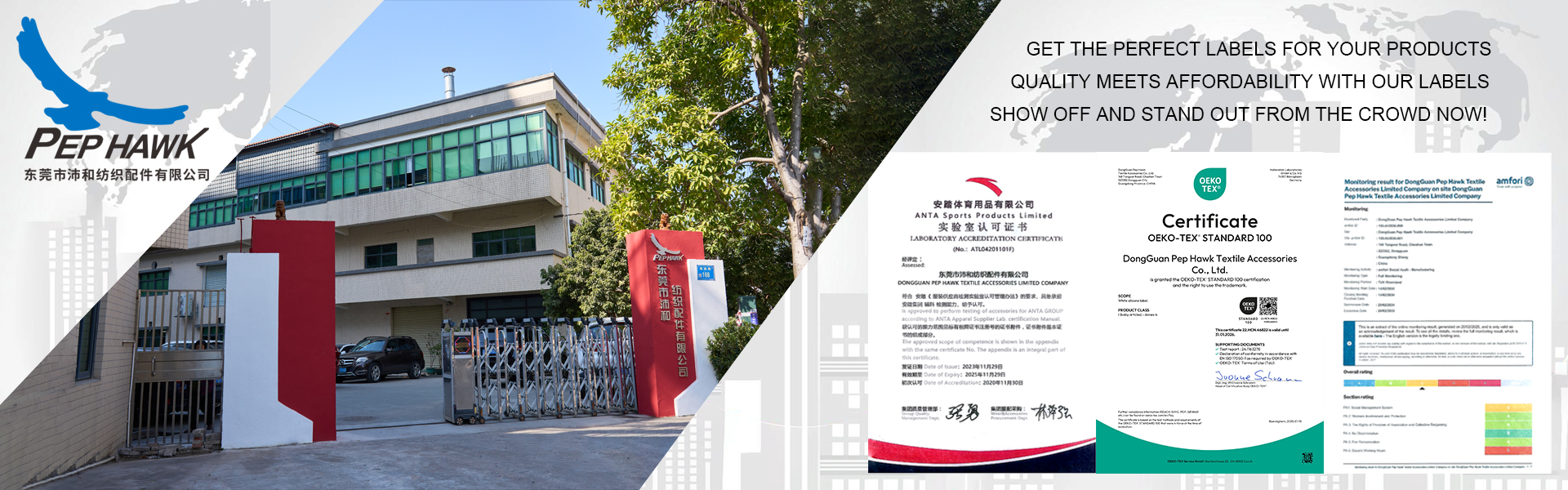
Mirroring Excellence: The Art and Impact of Reflections in Logo Design
Orange Alert: The Hottest Brands With Bold, Burnt-Hue Logos



