Mirroring Excellence: The Art and Impact of Reflections in Logo Design
Transform your brand with Reflections Logo. Our expert designs reflect your values and vision, ensuring a memorable identity for your business.
Reflections in logo design are more than just a visual trick—they are a powerful tool for conveying balance, innovation, and sophistication. From iconic brands to modern startups, logos with reflective elements have become a staple in the world of graphic design. This article explores the evolution, symbolism, and creative strategies behind reflections in logos, while highlighting some of the most memorable examples.
The Power of Reflection: Beyond Aesthetics
A reflection in a logo often serves as a metaphor for clarity, duality, and harmony. By mirroring part of the logo, designers create an effect that catches the eye and communicates deeper brand values. For instance, the use of reflective symmetry can evoke feelings of stability and precision, making it a popular choice for tech companies, luxury brands, and educational institutions . According to design experts, reflections "communicate deeper brand values such as balance, innovation, and luxury" , which explains why they remain a timeless trend.
One of the most famous examples of reflective logos is the Apple logo. While not a direct mirror image, its sleek, minimalist design often creates a "reflection" effect when paired with sleek product interfaces, reinforcing the brand’s association with innovation and elegance . Similarly, the Nike swoosh subtly implies motion and direction, but when combined with reflective surfaces (e.g., in advertisements), it amplifies the sense of energy and forward momentum.
Designing with Reflections: Techniques and Trends
Creating a successful reflective logo requires careful consideration of geometry, color, and context. Designers often use symmetrical layouts to achieve a mirror-like effect, ensuring that the reflection complements the original design without overwhelming it. For example, Canva’s analysis of symmetrical logos highlights how reflection symmetry "creates a sense of harmony and visual appeal" . This approach is particularly effective for brands aiming to convey trustworthiness, such as financial institutions or healthcare providers.
Another trend is the use of water or glass-like reflections to add depth and modernity. Platforms like 99Designs and DesignCrowd showcase numerous examples of logos that incorporate reflective elements to mimic real-world surfaces, making them stand out in a crowded market . For instance, a tech startup might use a glossy, mirrored logo to emphasize cutting-edge innovation, while a spa brand could opt for a soft, water-like reflection to evoke relaxation and tranquility.
Case Studies: Iconic Logos with Reflections
The Amazon logo is a prime example of how reflections can subtly enhance a brand’s identity. The arrow beneath the "A" not only represents the company’s vast selection but also creates a sense of movement, as if the logo is "reflecting" the journey from customer to product . Similarly, the Mastercard logo uses a dual-circle design that mirrors itself, symbolizing unity and global connectivity .
In the realm of sports, the NFL logo features a shield with a stylized "A" that reflects the league’s legacy and authority. Meanwhile, Starbucks’ siren logo often appears with a reflective sheen in advertisements, reinforcing its image as a premium coffee experience . These examples demonstrate how reflections can elevate a logo from a simple symbol to a narrative device.
The Rise of Custom Reflection Logos
With the proliferation of design platforms like BrandCrowd and DesignCrowd, creating a custom reflection logo has never been easier. These tools offer libraries of thousands of customizable designs, allowing businesses to experiment with reflective elements without hiring a professional designer . For instance, a local bakery might use a reflection logo to mimic the shine of freshly baked goods, while a tech firm could opt for a futuristic, holographic effect to signal innovation.
However, the key to success lies in balance. As noted in a 2025 study on logo trends, "overusing reflections can dilute a brand’s message, turning a sophisticated design into a gimmick" . Designers must ensure that the reflective element aligns with the brand’s core identity and target audience.
Conclusion: Reflecting on the Future of Logo Design
As technology advances, the possibilities for reflective logos are expanding. Augmented reality (AR) and interactive designs now allow logos to "reflect" in real-time, creating immersive brand experiences. For example, a car manufacturer might use AR to let customers view a vehicle’s logo with a dynamic reflection on a smartphone screen, blending physical and digital worlds .
In conclusion, reflections in logo design are not just a trend—they are a testament to the interplay between art and psychology. By understanding the principles behind these designs, brands can create logos that resonate deeply with their audiences. Whether through symmetry, material effects, or digital innovation, a well-crafted reflection logo can turn a simple symbol into a lasting impression.
When confronted with the task of producing intricate design drafts of the highest quality, PEPHAWK is here to provide the perfect solution. With over 16 years of industry experience and our esteemed general manager boasting 31 years of expertise in the silicone industry, we are the ultimate choice for tackling your challenging logo design projects. Select PEPHAWK for our unmatched proficiency and rest assured in the impeccable outcomes we consistently deliver.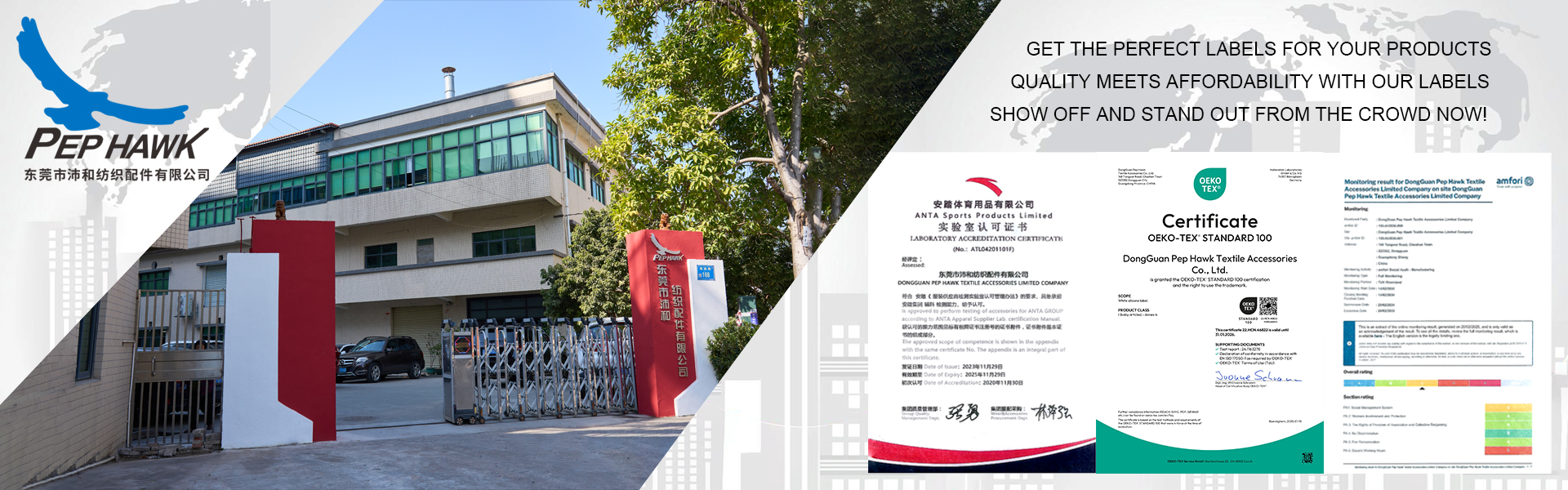
Purple Squares: The Unlikely Powerhouses of Modern Logo Design
Mirror, Mirror: How Reflective Logos Reflect Brand Identity