

Under Armour Brand Patches: Logo Evolution, Types, and the Merits of Silicone Solutions
2025-11-06
Under Armour brand patches feature diverse logo types with rich history. Silicone options offer durability, tactile charm, and versatile design for clothing, ideal for impactful apparel branding.
Brand Overview: Under Armour’s Legacy in Athletic Apparel
Founded in 1996 by Kevin Plank, Under Armour has grown from a specialist in moisture-wicking athletic shirts to a global leader in sportswear and accessories. A cornerstone of its identity is its distinctive logo, which has evolved across decades, product lines, and materials—with brand patches playing a crucial role in conveying its athletic spirit.
Logo Types & Historical Evolution of Under Armour Brand Patches
1. The Core “U-A” Logo: A Symbol of Athletic Prowess
The signature Under Armour logo, an interlocked “U” and “A”, was designed to embody strength, speed, and precision—traits vital to athletic performance. Over time, this emblem has taken on various forms in brand patches:
- Classic Embroidered Patch: In the early 2000s, embroidered versions were prevalent, offering a textured, traditional appearance on performance jerseys and outerwear.
- 3D Rubber Patch: As sportswear trends moved toward bold textures, three-dimensional rubber versions appeared, providing a raised, tactile finish on sneakers, caps, and backpacks.
2. Product Line-Specific Logo Variants
Under Armour’s wide-ranging product portfolio required logo adaptations for clarity and market segmentation:
- UA Sportswear Line (Training & Competition): Patches here emphasize boldness, with the “U-A” logo often paired with dynamic lines or color blocks (e.g., the “HeatGear” and “ColdGear” sub-brands feature logo patches with thermal-inspired color gradients).
- UA Sportstyle Line (Lifestyle & Casual): These patches lean into minimalism, with monochromatic or metallic-finish logos on hoodies, jeans, and streetwear-inspired items.
3. Historical Iterations: From Function to Fashion
- 1996–2005: Function-First Patches: Early patches focused on durability and visibility, using heavy-duty thread and high-contrast colors on performance gear.
- 2006–2015: Tech-Driven Innovation: With the rise of smart fabrics and athleisure, patches incorporated reflective materials (for nighttime visibility) and hybrid fabrics (combining embroidery and heat-transfer elements).
- 2016–Present: Material Experimentation: Silicone, metal, and even recycled plastic patches now coexist, reflecting Under Armour’s commitment to sustainability and design innovation.
Advantages of Silicone Brand Patches for Apparel
Silicone has become a leading material for Under Armour and other brands’ patches, thanks to these key benefits:
1. Unmatched Durability
Silicone patches resist fading, cracking, and fraying—even after more than 50 wash cycles (per industry tests). Unlike embroidered patches, which can snag or unravel, silicone maintains its shape and color, making it perfect for high-wear items like gym shorts, training shoes, and backpacks.
2. Tactile Sensory Appeal
The soft, slightly rubbery texture of silicone patches creates a unique tactile experience. Consumers subconsciously link this texture to quality and modernity, boosting brand recall. For instance, Under Armour’s silicone logo patches on running shoes offer a satisfying “click” when touched, setting the product apart in a crowded market.
3. Design Versatility
Silicone can be molded into intricate shapes and layered for 3D effects, allowing brands to experiment with:
- Multi-Color Gradients: Silicone patches support seamless color blending, enabling logos with ombre or neon fades (seen in Under Armour’s “Hovr” footwear line).
- Textured Surfaces: Brands can add matte, glossy, or even glitter finishes to silicone patches, catering to both athletic and lifestyle aesthetics.
4. Eco-Friendly Potential
Modern silicone formulations can include recycled materials, aligning with Under Armour’s “UA Better Cotton Initiative” and sustainability goals. Additionally, silicone is non-toxic and fully recyclable in some industrial processes, reducing the brand’s environmental impact.
5. Cost-Efficiency in Large Scales
While there are initial tooling costs for silicone molds, the material’s durability and low maintenance (no need for frequent replacements or repairs) make it cost-effective for mass-produced apparel lines. This is essential for Under Armour’s ability to deliver consistent branding across thousands of products worldwide.
Conclusion: Silicone Patches as a Branding Game-Changer
Under Armour’s logo journey—from embroidered simplicity to silicone innovation—reflects the brand’s evolution in sportswear technology. Silicone brand patches, with their durability, sensory appeal, and design flexibility, not only honor the brand’s athletic heritage but also position it at the forefront of apparel branding innovation. For both consumers and brands, they represent a fusion of function, style, and sustainability—an essential combination in the modern fashion landscape.
When confronted with the task of producing intricate design drafts of the highest quality, PEPHAWK is here to provide the perfect solution. With over 16 years of industry experience and our esteemed general manager boasting 31 years of expertise in the silicone industry, we are the ultimate choice for tackling your challenging logo design projects. Select PEPHAWK for our unmatched proficiency and rest assured in the impeccable outcomes we consistently deliver.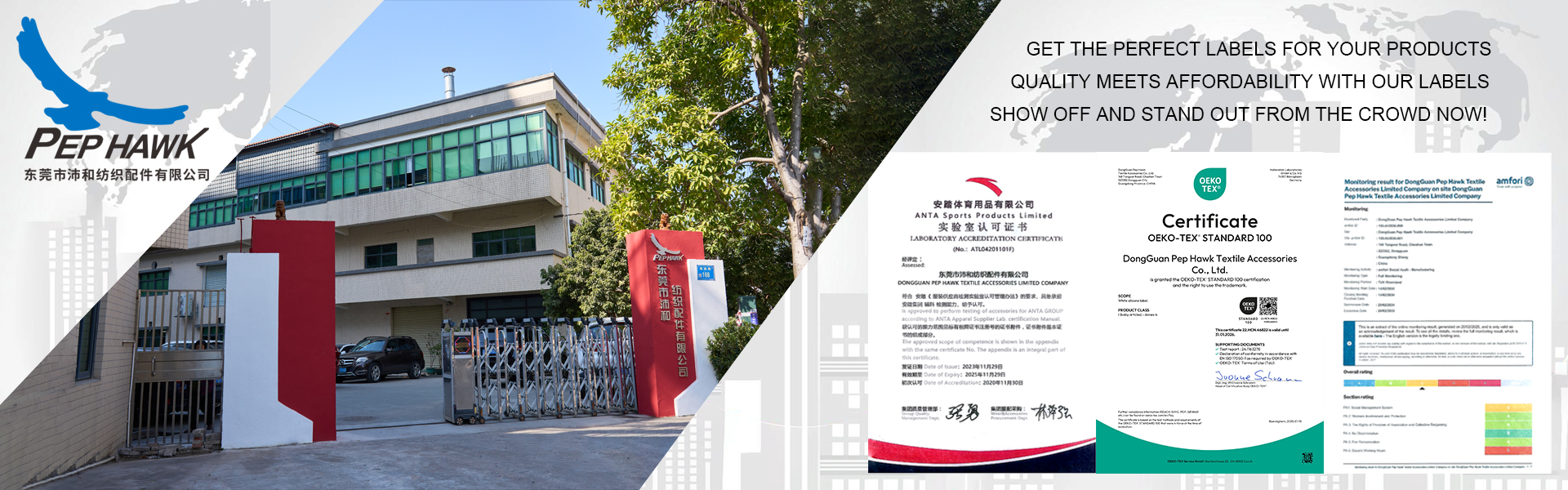
The North Face Logo Patches: History and TPU Advantages
Brand Patches for Clothes: Timberland’s Legacy and Silicone Innovation




SEND MESSAGE