

PVC Rubber Patches: Crafting Tough & Trendy Brand Statements - Process & Quality Check
2025-11-24
PVC Rubber Patch: Detailed Manufacturing Process and Strict Quality Inspection Methods for Durable, High-Aesthetic Branding Solutions in Apparel, Exemplified by FILA’s Signature Designs.
Manufacturing Process of PVC Rubber Patch
PVC rubber patches, renowned for their durability and visual appeal in branding (e.g., the textured FILA patch), undergo a meticulous manufacturing workflow:
1. Design and Plate Making
The process initiates with design development via CAD software, where every detail—shapes, embossments, color layers—is precision-engineered. Once finalized, a metal mold (copper or steel) is fabricated to replicate the design. This mold’s accuracy directly influences the patch’s final form, so CNC machining or electroforming techniques are employed for utmost precision.
2. Raw Material Preparation
Key raw materials include PVC paste resin (for flexibility and formability), plasticizers (to enhance softness), stabilizers (to prevent thermal degradation), and colorants (to achieve brand-specific hues). Additives like lubricants (for mold release) and fillers (for cost optimization) are also incorporated, with all materials compliant with standards like REACH and RoHS.
3. Material Mixing and Color Matching
The PVC resin and additives are blended in a high-speed mixer to ensure homogeneous distribution. Color matching is critical—technicians use spectrophotometers to align the mixture with approved swatches, conducting multiple trials to achieve exact shade consistency (vital for brands like FILA with strict color standards). The resulting PVC compound is then ready for molding.
4. Injection Molding
The PVC compound is fed into an injection molding machine, where it is heated to a molten state (160–200°C) and injected into the metal mold under high pressure (500–1500 psi). Pressure and temperature are tightly controlled to avoid defects like “short shots” (incomplete filling) or mold damage. After injection, the mold is held closed to allow partial solidification.
5. Vulcanization
This step enhances the patch’s durability. The filled mold is transferred to a vulcanizing oven/press, where it undergoes elevated temperatures (150–200°C) and pressure for 3–10 minutes. Vulcanization cross-links PVC molecules, improving resistance to heat, chemicals, and wear. Complex designs or thick patches require extended vulcanization times for full curing.
6. Trimming and Post-processing
After vulcanization, the rough patch is removed from the mold, and excess material (flash) is trimmed using die-cutting, laser cutting, or manual tools. Post-processing includes deburring (removing sharp edges) and surface smoothing to ensure a polished finish.
7. Printing and Surface Finishing
If additional graphics are needed, screen printing or pad printing is performed with PVC-compatible inks. Surface finishing options include gloss/matte coatings (for texture), UV coating (for scratch resistance), or secondary embossing/debossing. For multi-colored patches (like the FILA example), this stage may involve layered printing or multi-mold processes.
8. Assembly and Packaging
Final patches are inspected for defects, then assembled with backing materials (adhesive tape, hook-and-loop fasteners, or fabric). They are packaged, labeled (with batch numbers for traceability), and prepared for shipment, ensuring compliance with customer and industry logistics standards.
Quality Inspection Methods for PVC Rubber Patch
To meet the performance and aesthetic demands of brands like FILA, PVC rubber patches undergo rigorous quality testing:
1. Visual Inspection
Inspectors visually assess patches for:
-
Surface defects: Bubbles, pinholes, uneven coloring, or incomplete filling.
-
Shape/edge quality: Misaligned edges, rough trimming, or molding/deformation issues.
-
Print/design accuracy: Color mismatches, distorted embossments, or misprinted logos.
-
Assembly issues: Improper adhesive attachment or misaligned backings.
Samples are compared against approved design standards to ensure visual conformity.
2. Dimensional Inspection
Precision measuring tools are used:
-
Calipers: For length, width, and thickness (tolerances typically ±0.1–0.5mm).
-
2D/3D Measuring Machines: For complex shapes (e.g., the contour of embossed letters).
-
Go/No-Go Gauges: For critical dimensions to ensure batch-to-batch consistency.
3. Physical Performance Testing
Tests evaluate mechanical durability:
-
Tensile/Tear Strength Tests: Measure resistance to pulling/tearing via universal testing machines.
-
Shore Hardness Test: Determines hardness (Shore A scale) to ensure the desired feel (e.g., soft yet durable).
-
Adhesion Test: Uses tape or cross-cut methods to check ink/coating peel resistance.
-
Flexibility Test: Repeated bending to simulate wear and check for cracks.
4. Chemical Performance Testing
Patches are exposed to chemicals to assess resistance:
-
Chemical/Solvent Resistance: Exposure to detergents, alcohols, or solvents to check for discoloration/degradation.
-
Migration Test: Ensures plasticizers/colorants do not transfer to other materials (critical for safety compliance).
5. Durability Testing
Real-world use is simulated:
-
Wash Fastness Test: Multiple washes (per AATCC/ISO standards) to check color fading or shape change.
-
Abrasion Test: Martindale or similar machines to simulate rubbing and assess surface wear.
-
Weathering (UV Aging) Test: Exposure to simulated sunlight and temperature cycles to check for fading or brittleness.
-
Thermal Stability Test: Cyclic high/low temperature exposure to check for warping or cracking.
By integrating these manufacturing and inspection protocols, PVC rubber patches deliver the durability, aesthetic precision, and brand integrity demanded by the apparel industry, as exemplified by iconic designs like FILA’s textured branding elements.
When confronted with the task of producing intricate design drafts of the highest quality, PEPHAWK is here to provide the perfect solution. With over 16 years of industry experience and our esteemed general manager boasting 31 years of expertise in the silicone industry, we are the ultimate choice for tackling your challenging logo design projects. Select PEPHAWK for our unmatched proficiency and rest assured in the impeccable outcomes we consistently deliver.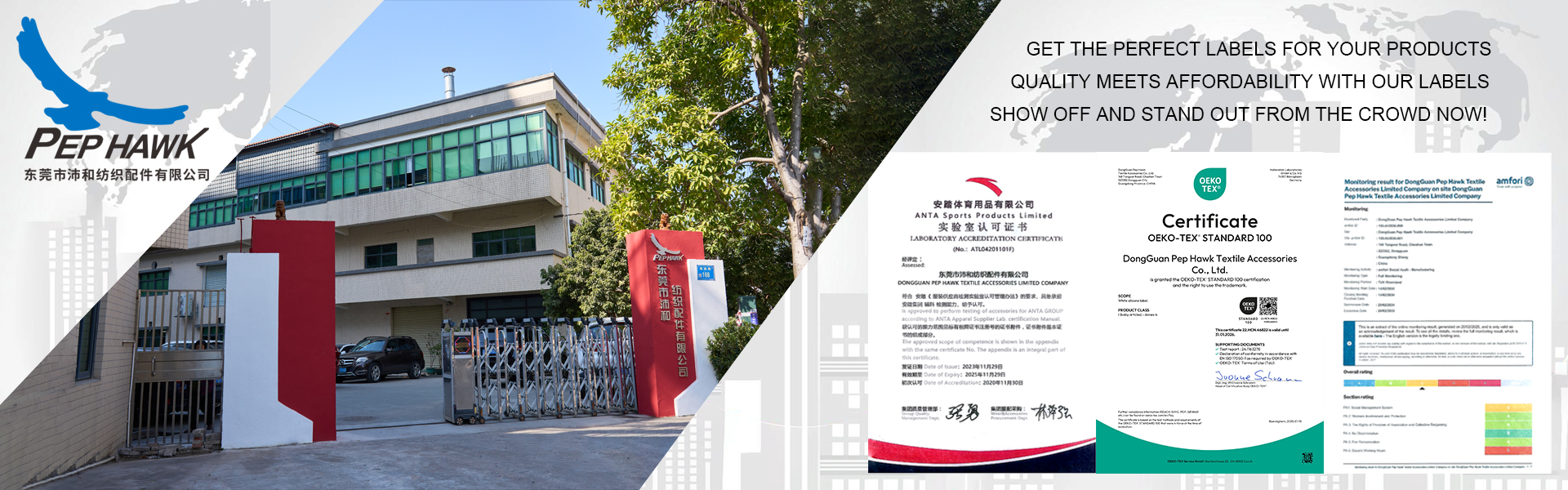
Sticky Stories: The Magic Behind Vinyl Labels – Production & Quality Secrets
Beyond Flat: The Playful Ingenuity of BDS 3D TPU Patch Logo




SEND MESSAGE