

What Are the Key Printed Patch Techniques?
2025-08-30
Explore key printed patch techniques: screen printing, DTG, heat transfer, sublimation & vinyl. Learn how each works, pros/cons, and best uses for your projects.
Why do printed patches look, feel, and last so differently? The answer lies in their manufacturing techniques. Whether you’re making patches for clothing, bags, or branding, choosing the right method matters. Let’s break down 5 common printed patch processes to help you decide.
1. How Does Screen Printing Work for Printed Patches?
Screen printing is a classic method for printed patches. It uses a mesh screen (stencil) to push ink onto the patch material. First, a design is cut into the screen—one screen per color. Then, ink is spread over the screen, and a squeegee presses it through to the material below.
Pros: It’s great for large batches (100+ patches) because setup costs are spread out. The ink is thick, so colors are bold and long-lasting. It works on most fabrics like cotton or polyester.
Cons: Small batches are expensive—you pay for each screen. Complex, multi-color designs take more time and screens.
Best for: Simple logos, team patches, or bulk orders where durability matters.
2. What Makes DTG Printing Good for Printed Patches?
DTG (Direct-to-Garment) printing is like using a high-tech inkjet printer for patches. It prints the design directly onto the patch material without screens. You just upload the design to a computer, and the printer does the rest.
Pros: It’s perfect for small batches or one-off patches—no setup fees for screens. Complex designs with gradients, photos, or many colors work easily. The process is fast for small orders.
Cons: The ink is thinner than screen printing, so it may fade faster with frequent washing. It works best on light-colored, cotton-based patches; dark materials need extra steps.
Best for: Custom, detailed patches (like photo patches), small orders, or test designs.
3. Is Heat Transfer Printing a Practical Choice for Printed Patches?
Heat transfer printing uses a special paper and heat to apply designs to patches. First, the design is printed onto transfer paper with heat-sensitive ink. Then, a heat press applies high heat (180–200°C) and pressure to transfer the ink from the paper to the patch.
Pros: It’s versatile—works on fabrics, leather, or even plastic patches. Complex designs are easy, and it’s cost-effective for small to medium batches. You can print on dark materials with white ink layers.
Cons: The transfer can feel slightly stiff on the patch. If the heat or pressure is off, the design may peel. It’s not as durable as screen printing for heavy use.
Best for: Mixed-material patches, dark-colored designs, or projects where speed and versatility are key.
4. When Should You Use Sublimation Printing for Printed Patches?
Sublimation printing uses heat to turn solid ink into gas, which bonds with polyester patch materials. The ink soaks into the fabric instead of sitting on top. It only works on polyester or polyester-blend patches.
Pros: The design is soft—you can’t feel it on the patch. Colors are bright and don’t fade, even after many washes. It’s great for full-color, all-over designs.
Cons: It only works on light-colored polyester. You need a sublimation printer and heat press, so setup costs can be high for small users.
Best for: Sportswear patches, polyester bags, or designs where a soft feel is important.
5. What’s Digital Vinyl Printing for Printed Patches?
Digital vinyl printing cuts designs from colored vinyl sheets, then uses heat to apply them to patches. For multi-color designs, layers of vinyl are cut and pressed one by one.
Pros: Vinyl is super durable—resistant to washing, scratching, and UV rays. It works on many materials, including leather and nylon. Colors are vibrant and opaque, even on dark patches.
Cons: Complex designs with small details are hard—vinyl can tear when cutting. Multi-color designs take time to layer. It’s more expensive for very detailed or large batches.
Best for: Durable patches (like workwear or outdoor gear), bold single-color designs, or patches on non-fabric materials.
How to Choose the Right Printed Patch Technique?
The best method depends on your needs: batch size (screen printing for bulk, DTG for small), design complexity (DTG or sublimation for details), material (sublimation for polyester, vinyl for leather), and durability (screen printing or vinyl for long life). By understanding each technique, you can make printed patches that look great and last.
When confronted with the task of producing intricate design drafts of the highest quality, PEPHAWK is here to provide the perfect solution. With over 16 years of industry experience and our esteemed general manager boasting 31 years of expertise in the silicone industry, we are the ultimate choice for tackling your challenging logo design projects. Select PEPHAWK for our unmatched proficiency and rest assured in the impeccable outcomes we consistently deliver.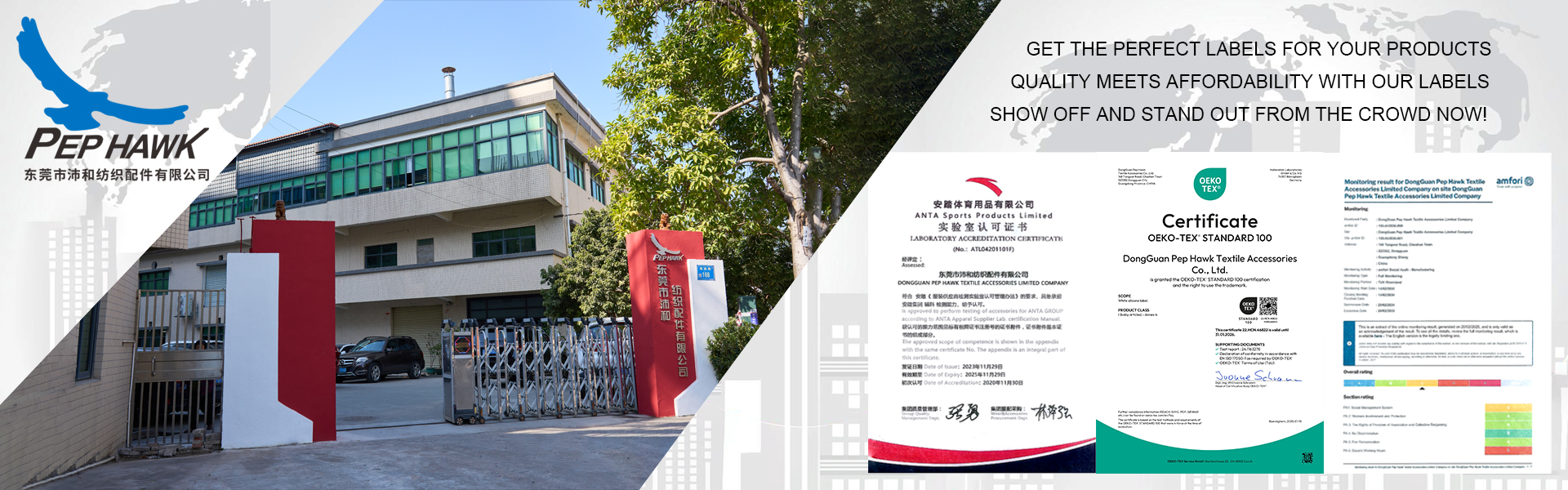
How to Make a Paw Print Patch?
What Crafts Suit Etsy Custom Patches?


SEND MESSAGE