

How to Cut Your Costs by 40% on Print on Patches Without Sacrificing an Ounce of Quality
Discover high-quality printed patches for every occasion. Customize your designs and elevate your style with our durable, vibrant options today.
1. Optimize Material Selection: Smart Choices for Maximum Impact
One of the most effective ways to reduce costs is by selecting cost-efficient materials that still meet quality benchmarks. For example:
- Polyester blends : These offer durability and vibrant color retention at a lower cost than pure wool or premium fabrics.
- Recycled materials : Eco-friendly options like recycled polyester or upcycled fabrics reduce raw material expenses while aligning with sustainability goals.
- Thin yet durable backings : Choose adhesive or iron-on backings instead of heavier alternatives to cut material costs without sacrificing functionality.
By working closely with suppliers to identify cost-effective materials that align with your brand’s aesthetic, you can reduce material expenses by 15–20% without visible quality trade-offs.
2. Leverage Bulk Ordering and Long-Term Supplier Partnerships
Negotiating with suppliers is a cornerstone of cost reduction. Key strategies include:
- Bulk discounts : Committing to larger orders often unlocks significant price breaks. For instance, ordering 5,000 patches instead of 1,000 could reduce per-unit costs by 25–30%.
- Long-term contracts : Partnering with suppliers for annual contracts ensures stable pricing and priority production slots.
- Geographic sourcing : Collaborate with manufacturers in regions with lower labor costs (e.g., Southeast Asia) without compromising on quality control.
By consolidating orders and fostering supplier relationships, businesses can achieve immediate savings while securing reliable production timelines.
3. Streamline Design Complexity: Simplicity as a Cost-Saving Tool
Complex designs with intricate embroidery or multiple color layers drive up production costs. Simplifying designs can yield substantial savings:
- Reduce stitch count : Opt for clean, minimalist patterns that require fewer stitches, lowering labor and thread costs.
- Limit color palettes : Each additional color increases setup time and ink expenses. Stick to 3–4 core brand colors.
- Digital printing : For detailed designs, switch from embroidery to dye-sublimation or screen printing, which are faster and cheaper for complex artwork.
Simplifying designs can reduce production costs by up to 25% while maintaining a polished, professional look.
4. Adopt Lean Manufacturing Practices
Waste reduction and process optimization are critical for cost efficiency. Implement these lean strategies:
- Automated cutting : Use laser or die-cutting machines to minimize fabric waste and speed up production.
- Standardized sizing : Produce patches in uniform sizes to streamline cutting and stitching processes.
- Just-in-time production : Align production schedules with demand forecasts to avoid overstocking and storage costs.
By eliminating inefficiencies, businesses can reduce operational costs by 10–15% while maintaining output quality.

5. Invest in Digital Proofing and Prototyping
Traditional physical sampling is time-consuming and costly. Digital tools offer a smarter alternative:
- 3D design software : Create virtual prototypes to test designs, colors, and textures without material waste.
- AI-powered color matching : Use algorithms to predict and adjust color accuracy, reducing trial-and-error iterations.
- Digital approvals : Share high-resolution mockups with stakeholders online, cutting shipping and sampling costs.
Digital proofing can slash pre-production costs by up to 30%, ensuring faster time-to-market and fewer errors.
6. Explore Hybrid Production Models
Combining in-house and outsourced production can optimize costs:
- In-house prototyping : Keep small-batch production in-house for faster turnaround and lower setup fees.
- Outsource large orders : Partner with specialized manufacturers for high-volume runs, leveraging their economies of scale.
- On-demand printing : Use drop-shipping partnerships to produce patches closer to the point of sale, reducing shipping and inventory costs.
Hybrid models can reduce overall production costs by 15–20% while maintaining flexibility.
7. Prioritize Long-Term Durability to Avoid Reorders
Cheap materials or poor craftsmanship lead to frequent replacements, inflating long-term costs. Invest in quality upfront:
- Reinforced edges : Double-stitched or merrowed borders prevent fraying, extending patch lifespan.
- Fade-resistant inks : UV-treated inks maintain color vibrancy through repeated washes.
- Quality testing : Partner with suppliers who conduct rigorous stress and wash tests to ensure durability.
When confronted with the task of producing intricate design drafts of the highest quality, PEPHAWK is here to provide the perfect solution. With over 16 years of industry experience and our esteemed general manager boasting 31 years of expertise in the silicone industry, we are the ultimate choice for tackling your challenging logo design projects. Select PEPHAWK for our unmatched proficiency and rest assured in the impeccable outcomes we consistently deliver.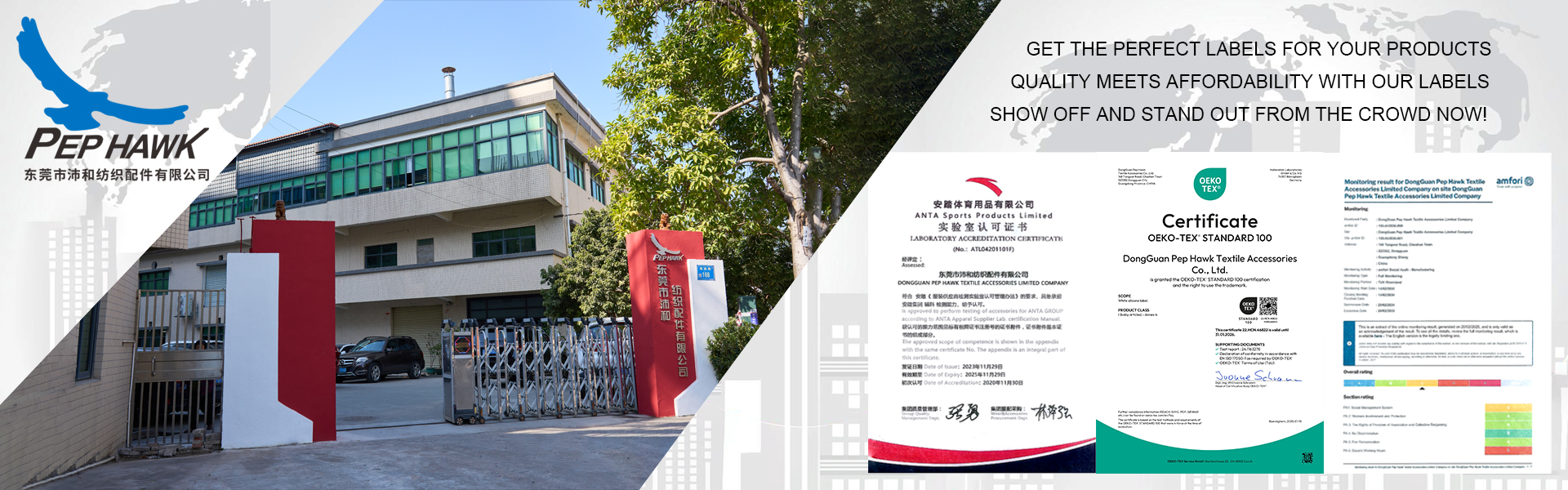
5 Secrets to Guarantee Your Screen Printed Patches Have Vibrant, Fadeproof Colors
7 Ways to Boost Your Brand Recognition Instantly with Custom Printed Patches



