

How to Print a Nike Patch?
2025-08-28
Many Nike fans face confusion when it comes to printing patches that match the brand’s quality and style. Let’s break down the key questions and answers to make the process easy.
1. What Materials Are Needed to Print a Nike Patch?
The first question most people ask is about the right materials. For a durable Nike patch, start with the base material. Nike products often use fabrics like polyester (in sportswear) or cotton blends, so your patch base should complement this. Heat-transfer vinyl (HTV) works great for bold, colorful designs, while embroidered patch blanks are ideal if you want a textured look. You’ll also need a printer compatible with your chosen material—inkjet printers for HTV paper and specialized embroidery machines if you opt for embroidered patches. Don’t forget tools like a heat press (for HTV) or adhesive backing if you want a peel-and-stick patch.
2. How to Design a Patch That Fits Nike’s Aesthetic?
Nike is known for its sleek, sporty designs—think the iconic Swoosh, bold typography, and vibrant yet functional colors. When designing your patch, ask: Will this design blend with Nike’s style? Avoid overcomplicating it. If you’re adding a custom element (like a team name or personal logo), keep it simple. Use Nike’s signature colors (black, white, red, or royal blue) as a base to make the patch look cohesive with your Nike gear. Also, check the size—patches for Nike jackets work best at 3-4 inches, while smaller patches (1-2 inches) suit sneakers or hats.
3. Can You Print a Patch With Nike’s Logo Legally?
This is a crucial question to avoid legal issues. Nike’s Swoosh and brand name are trademarked, so you can’t print patches with these elements for commercial use (like selling them). But if it’s for personal use—say, adding a small Swoosh patch to your old Nike hoodie—you’re in the clear. Always ask: Is this for personal or commercial use? If it’s commercial, skip the Nike logos or get official permission from Nike first. For personal designs, focus on custom elements that don’t infringe on the brand’s trademarks.
4. Which Printing Technique Works Best for Nike Patches?
Two main techniques stand out: heat transfer and embroidery printing. Let’s compare them. Heat transfer is quick and affordable—you print your design on HTV paper, cut it out, and press it onto the patch base with a heat press. It’s perfect for detailed, colorful designs and works well with Nike’s synthetic fabrics. Embroidery printing, on the other hand, is more durable and has a premium feel. It’s great if you want a patch that lasts through washes (important for Nike sportswear). Ask yourself: Do I prioritize speed or durability? For everyday use, heat transfer is fine; for long-lasting patches, go with embroidery.
5. How to Ensure the Patch Sticks Well to Nike Gear?
Nothing is more frustrating than a patch that peels off after a few wears. The key is proper application. For heat-transfer patches, set your heat press to the right temperature—around 305°F (150°C) for polyester Nike fabrics—and press for 10-15 seconds. Let it cool completely before peeling off the backing. For adhesive patches, make sure the Nike gear is clean and dry before applying. If you’re attaching the patch to sneakers (like Nike Air Max), avoid curved areas—flat surfaces (like the tongue or side panel) work better. Test the patch by gently pulling it after application—if it lifts, reapply heat or pressure.
6. What Mistakes to Avoid When Printing a Nike Patch?
Common mistakes can ruin your patch. First, don’t use low-quality materials—cheap HTV can crack after washing, which looks bad on Nike’s high-quality gear. Second, don’t ignore fabric type—printing a heavy patch on a lightweight Nike Dri-FIT shirt will ruin its breathability. Third, don’t skip a test print. Print a small version of your design first to check colors and size—this saves you from wasting materials on a bad final product.
By answering these key questions, you can print a Nike patch that’s stylish, durable, and fits perfectly with your favorite Nike items. Whether it’s for personal use or a small group (like a sports team), the process is simple when you focus on material choice, design, and proper application.
When confronted with the task of producing intricate design drafts of the highest quality, PEPHAWK is here to provide the perfect solution. With over 16 years of industry experience and our esteemed general manager boasting 31 years of expertise in the silicone industry, we are the ultimate choice for tackling your challenging logo design projects. Select PEPHAWK for our unmatched proficiency and rest assured in the impeccable outcomes we consistently deliver.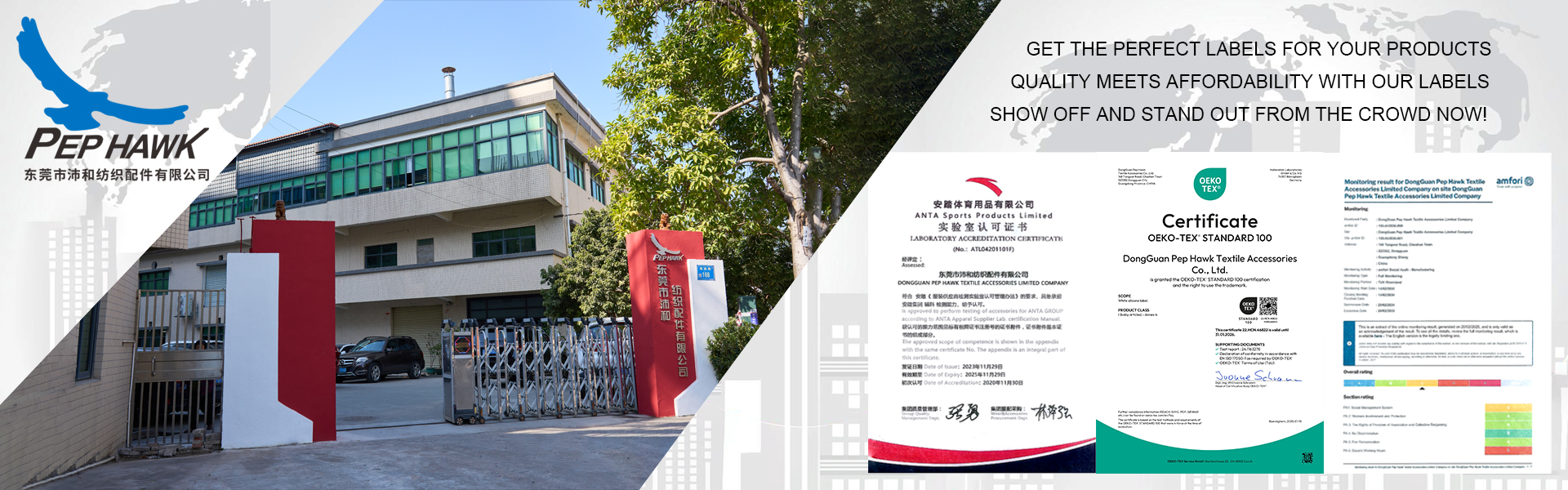
What Are Nike Silk Screen Patches & Their Value?
What Types of Custom Rubber Patches for Clothing on Etsy?


SEND MESSAGE