

Polo Patches: A Blend of Style and Functionality
Enhance your clothing with our stylish polo patches. Explore our variety of designs and custom options to make your apparel truly unique.
Creating a polo shirt from scratch is no small feat, especially when you're determined to make it uniquely yours. My recent project—a short-sleeved polo shirt crafted from an unusual Airtex fabric—was a labor of love that combined thoughtful planning, trial-and-error problem-solving, and the perfect finishing touches. Here's how I brought this idea to life and why it became one of my favorite makes yet.
The Inspiration Behind the Project
When I first stumbled upon the blue Airtex fabric at Tomato in Tokyo, I knew instantly that it was meant for me. Its texture, color, and overall vibe screamed "polo shirt," even though I hadn't planned on making one right away. Over time, as I worked through other projects using fabrics purchased during the same trip, this piece remained special because of its uniqueness—it’s not something I see often in stores or online.
The decision to turn it into a polo shirt came naturally. However, finding patterns specifically designed for women proved challenging. Most available options catered to men, which didn’t align with my vision. Instead of purchasing a pattern, I opted for a more hands-on approach by buying a ready-to-wear (RTW) polo shirt to use as a base. This allowed me to draft my own pattern while ensuring the fit matched my preferences.
Tackling the Challenges: The Placket Dilemma
While constructing the shirt itself wasn’t overly complicated, the placket posed significant challenges. Unlike most tutorials I found online, the RTW shirt I referenced featured a seamless placket design without visible seams along the edges. Achieving this look required improvisation and patience.
Initially, I scoured the internet for guidance but couldn’t find anything quite like what I envisioned. Determined to replicate the clean aesthetic, I relied heavily on reverse engineering the RTW shirt. Each step involved careful observation and experimentation. At one point, things seemed dire; I accidentally cut a slit where there shouldn’t have been one, forcing me to hand-sew it shut. Despite these setbacks, persistence paid off, and the final result exceeded my expectations.
This experience taught me two valuable lessons:
- Resourcefulness : When faced with limited resources or unconventional designs, creativity can fill the gaps.
- Patience : Rushing through tricky parts only leads to frustration. Taking breaks and revisiting problems with fresh eyes often yields better results.
Adding Personal Touches: Buttons, Patches, and Cuffs
1. Buttons
During a serendipitous visit to my local craft shop after months of closure, I discovered buttons that perfectly complemented the fabric. Although I initially intended to use plain white shirt buttons, these new ones added just the right amount of charm. Their subtle sheen and pale hue blended seamlessly with the soft blue of the Airtex material.
Interestingly, I encountered another hurdle while sewing the buttonholes. Using matching thread resulted in a messy, uneven finish due to its age and thickness. After some deliberation, I chose a pale gray thread instead. To my surprise, the contrast looked fantastic, enhancing rather than detracting from the shirt’s appearance.
2. Embroidered Patch
One of the highlights of this project was adding a custom embroidered patch featuring a little fish. Purchased earlier in Japan, this patch had been sitting unused in my stash until now. It felt serendipitous to pair it with this particular shirt—it tied together the nautical-inspired theme beautifully.
Patches are underutilized in home sewing, yet they add so much personality to garments. They’re versatile enough to suit casual wear while elevating the overall look. Moving forward, I aim to incorporate patches more frequently into my creations.
3. Cuffs
To complete the polished appearance, I created cuffs by turning up the hem at the sleeves. This detail gave the shirt a sporty yet sophisticated edge, balancing the playful nature of the patch with the structured collar and placket.
Lessons Learned: Inside Finishing Matters
An aspect I often overlook in garment construction is the importance of neat internal finishes. Initially, the inside of the collar looked messy after assembly, revealing unfinished seams. To rectify this, I made a 1cm-wide rouleau loop and meticulously hand-stitched it along the inner edge of the collar. While time-consuming, this extra effort significantly improved the garment’s quality and durability.
It reinforced my belief that taking the extra step to refine interior details transforms homemade clothes into truly professional-looking pieces. In future projects, I’ll prioritize such techniques to elevate the craftsmanship of my garments further.
Reflecting on the Final Product
Despite initial doubts about the short-sleeve design, I’m thrilled with how the shirt turned out. The cuffs provide structure and balance, preventing the sleeveless look from feeling incomplete. Moreover, the combination of the embroidered patch, carefully selected buttons, and precise buttonholes elevates the shirt beyond basic utility—it’s a reflection of my personal style and dedication to detail.
This project also highlighted the joy of learning new skills. Drafting a pattern based on an RTW garment and mastering the art of placket construction were rewarding milestones. Though daunting at times, pushing past those obstacles left me feeling accomplished and inspired to tackle similar projects in the future.
Why Personalization Matters in Sewing
In today’s world of mass-produced clothing, creating personalized garments offers immense satisfaction. Every choice—from selecting unique fabrics to incorporating meaningful embellishments like patches—allows us to express ourselves authentically. For instance, the fish patch tells a story of my travels and interests, transforming the shirt into more than just a functional item.
Additionally, choosing high-quality materials ensures longevity. The Airtex fabric feels comfortable against the skin and promises to withstand frequent wear, making this shirt a staple in my wardrobe for years to come.
Looking Ahead: What’s Next?
After completing this project, I’ve gained confidence in tackling more complex sewing tasks. Perhaps next, I’ll attempt another polo shirt, this time using a commercial pattern to streamline the process. Additionally, inspired by the success of this patch, I plan to experiment with adding embroidered accents to future projects.
For anyone considering embarking on a similar journey, here are a few tips:
- Invest Time in Planning : Sketch your ideas and visualize the end product before cutting fabric.
- Embrace Imperfections : Mistakes happen, but they often lead to unexpected discoveries and improvements.
- Personalize Your Garments : Whether through patches, unique buttons, or creative trims, adding personal touches makes each piece uniquely yours.
Ultimately, sewing isn’t just about replicating store-bought items—it’s about crafting stories through fabric, thread, and imagination. With every stitch, we create something meaningful and lasting. And isn’t that what fashion should be all about?
So here’s to embracing creativity, celebrating individuality, and continuing to grow as makers. Who knows what my next project will bring? But if it’s half as satisfying as this polo shirt, I’ll consider it a win!
When confronted with the task of producing intricate design drafts of the highest quality, PEPHAWK is here to provide the perfect solution. With over 16 years of industry experience and our esteemed general manager boasting 31 years of expertise in the silicone industry, we are the ultimate choice for tackling your challenging logo design projects. Select PEPHAWK for our unmatched proficiency and rest assured in the impeccable outcomes we consistently deliver.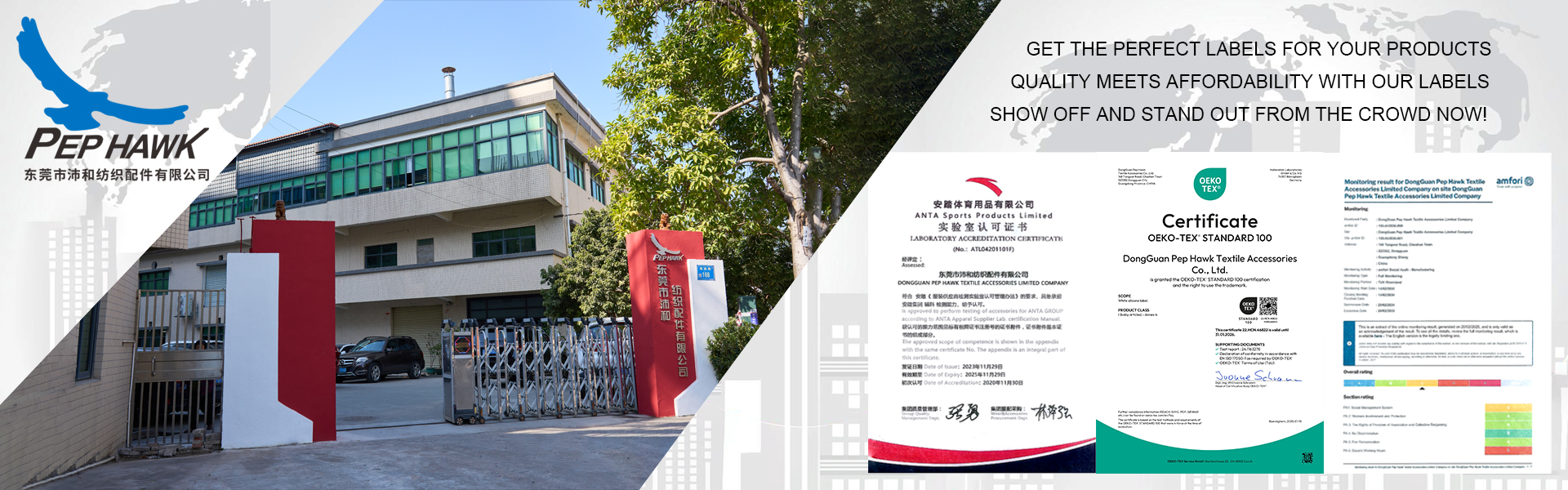
Perfect Your Style: A Comprehensive Guide to Ironing Custom Patches on Clothes
Transform Your Wardrobe with Custom Embroidered Patches



