

Custom Patches: A Practical Design & Uses
2026-03-14
Table of Contents
Custom patches have evolved from simple fabric decorations to powerful tools for branding, self-expression, and identification.
They’re versatile, durable, and affordable, making them a favorite choice for businesses, sports teams, clubs, and individuals alike. In this blog, we’ll break down everything you need to know about custom patches: what they are, the different types available, their key features, benefits, how to customize them, and where you can use them. We’ve also included easy-to-read tables to help you compare options and make the best choice for your needs.
1. What Is a Piece of Patch & Custom Patch?
First, let’s clarify the basics. A piece of patch is a small piece of fabric (or other material) that’s designed to be attached to clothing, bags, hats, or other items. It can be plain, printed, or embroidered, and it serves both decorative and functional purposes.
A custom patch, on the other hand, is a piece of patch that’s made according to your specific requirements. Unlike pre-made patches you might find in a store, custom patches are personalized with your logo, text, colors, size, and shape. They’re crafted to reflect your unique identity—whether that’s a company’s brand, a team’s spirit, or a personal hobby.
Custom patches are more than just accessories; they’re a way to stand out, build community, and leave a lasting impression. Let’s take a closer look at why they’re so popular today.
2. Main Types of Custom Patches
Not all custom patches are the same. The type you choose depends on your budget, design complexity, intended use, and personal preference. Below is a detailed table comparing the most common types of custom patches, followed by short explanations of each.
|
Patch Type
|
Material
|
Best For
|
Pros
|
Cons
|
|---|---|---|---|---|
|
Embroidered Custom Patches
|
Cotton, polyester thread
|
Brands, teams, uniforms
|
Classic look, durable, 3D texture
|
Not ideal for fine details or gradients
|
|
Woven Custom Patches
|
Woven thread (cotton/polyester)
|
Fine text, complex designs
|
Smooth finish, sharp details, lightweight
|
Less textured than embroidered patches
|
|
PVC/Rubber Custom Patches
|
Soft PVC or rubber
|
Outdoor use, waterproof items
|
Waterproof, durable, flexible
|
More expensive than fabric patches
|
|
Leather Custom Patches
|
Real or faux leather
|
Jackets, bags, premium brands
|
Luxurious look, durable, timeless
|
Can be costly, not waterproof
|
|
Chenille Letterman Patches
|
Chenille yarn, felt
|
Schools, sports teams, letterman jackets
|
Vintage look, eye-catching, soft
|
Bulky, not ideal for small items
|
|
Reflective Custom Patches
|
Reflective fabric/thread
|
Safety gear, outdoor teams
|
High visibility, safety-focused
|
Less decorative than other types
|
Embroidered custom patches are the most popular choice. They have a classic, professional look and work well for most logos and designs. The thread creates a 3D texture that makes the patch stand out, and they’re durable enough to withstand frequent washing.
Woven patches are perfect if you have a design with fine text or intricate details. Unlike embroidered patches, which use stitched thread to fill in areas, woven patches are made by weaving thread together, creating a smooth, flat finish that’s ideal for small text or complex patterns.
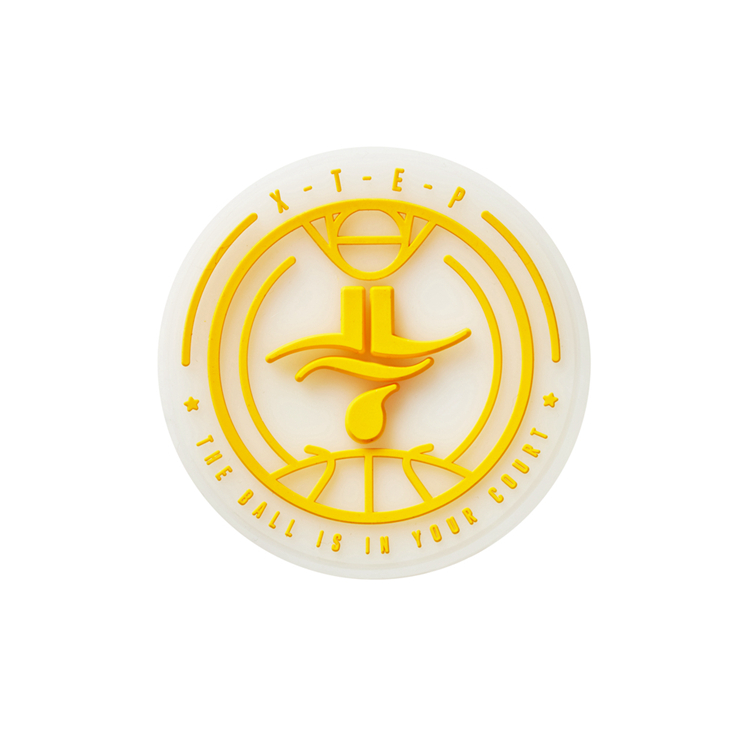
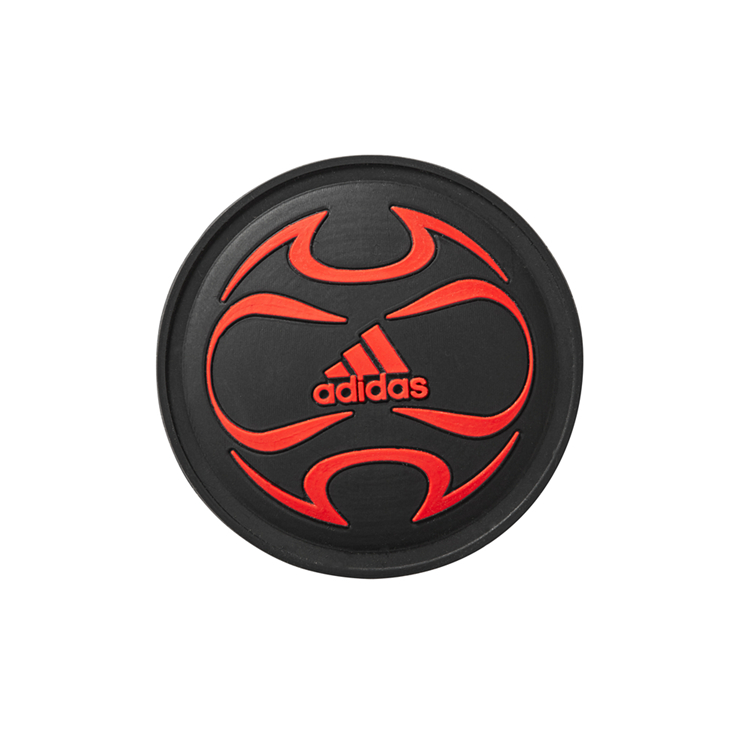
PVC/rubber patches are great for outdoor use or items that need to be waterproof, like jackets, hats, or workwear. They’re flexible, easy to clean, and can be made in bright, bold colors that don’t fade over time.
Leather patches add a touch of luxury to any item. They’re often used for premium brands, jackets, and bags, and they age well, developing a unique patina over time. Faux leather options are also available for a more affordable alternative.
Chenille letterman patches are a classic choice for schools and sports teams. They’re made with soft, fuzzy chenille yarn and felt, giving them a vintage, nostalgic look that’s perfect for letterman jackets or team uniforms.
Reflective patches are designed for safety. They reflect light in low-visibility conditions, making them ideal for construction workers, cyclists, runners, and outdoor teams. They’re functional first, but can still be customized with logos or text.
3. Key Features of a Custom Patch
One of the biggest advantages of custom patches is their flexibility. You can customize almost every aspect of a patch to fit your needs. Below are the key features you can adjust, along with a table comparing common options for each feature.
|
Feature
|
Common Options
|
Tips for Choosing
|
|---|---|---|
|
Design & Graphics
|
Logos, text, icons, illustrations, photos
|
Keep it simple for small patches; use high-res files for clarity
|
|
Color
|
Pantone colors, RGB, CMYK, metallic threads
|
Match your brand colors; limit to 5-6 colors for affordability
|
|
Size
|
0.5” x 0.5” (small) to 10” x 10” (large)
|
Consider the item: small for hats, medium for jackets, large for bags
|
|
Shape
|
Square, circle, rectangle, custom (any shape)
|
Custom shapes stand out; simple shapes are more affordable
|
|
Backing
|
Iron-on, sew-on, velcro, adhesive, magnetic
|
Iron-on for convenience; sew-on for durability; velcro for removability
|
Design is the heart of a custom patch. Whether you have a ready-made logo or a rough idea, most custom patch services can help you refine your design to fit the patch’s size and type. High-resolution files (like PNG or vector files) will ensure your design looks sharp and clear.
Color choice is crucial for brand recognition. Many services offer Pantone color matching, so you can ensure your patch matches your brand’s exact colors. Metallic threads (gold, silver) can add a touch of elegance, while bright colors are great for eye-catching designs.
Size and shape depend on where you’ll use the patch. A small, circular patch works well on a hat or lapel, while a larger, custom-shaped patch is perfect for a jacket back or backpack. Keep in mind that larger patches and custom shapes may cost more.
The backing determines how you attach the patch to your item. Iron-on backings are the most convenient—just heat them with an iron to attach. Sew-on backings are more durable, making them ideal for items that will be washed frequently. Velcro backings allow you to remove and reattach the patch, which is great for uniforms or items that need to be customized for different occasions.
4. Benefits of Using Custom Patches
Custom patches offer a wide range of benefits, whether you’re a business, a team, or an individual. They’re affordable, versatile, and effective for a variety of purposes. Below is a table summarizing the key benefits, followed by detailed explanations.
|
Benefit
|
Who It’s For
|
Why It Matters
|
|---|---|---|
|
Strengthen Brand Identity
|
Businesses, startups, brands
|
Creates consistent branding across uniforms, products, and marketing materials
|
|
Decorate Items
|
Individuals, fashion lovers
|
Adds personality to clothing, bags, hats, and more
|
|
Build Team Spirit
|
Sports teams, clubs, organizations
|
Unites members with a shared symbol; boosts morale
|
|
Cost-Effective
|
Everyone (businesses, individuals, teams)
|
Affordable for small or large orders; no minimum order in many cases
|
|
Durable & Reusable
|
Everyone
|
Withstands washing, wear, and tear; can be moved to new items (with velcro)
|
|
Versatile
|
Everyone
|
Works on almost any fabric item; suitable for formal or casual use
|
For businesses, custom patches are a powerful branding tool. Adding your logo to employee uniforms, company bags, or promotional items helps create a consistent, professional image. Customers will recognize your brand more easily, and employees will feel a sense of pride in representing your company.
For individuals, custom patches are a fun way to express your personality. You can create a patch with your favorite quote, hobby, or design and attach it to your jacket, backpack, or hat. They’re a great way to stand out from the crowd and show off your unique style.
For teams and clubs, custom patches are a great way to build unity. A shared patch gives members a sense of belonging and pride. Whether it’s a sports team, school club, or volunteer organization, a custom patch can help bring people together and create a strong team spirit.
Custom patches are also cost-effective. Unlike screen printing, which requires a minimum order and can be expensive for small batches, many custom patch services offer no minimum order and competitive pricing. They’re also durable—well-made patches can last for years, even with frequent washing and wear.
5. How to Customize a Patch: Step-by-Step Guide
Customizing a patch is easier than you might think. Most custom patch services have a simple, straightforward process that takes just a few steps. Below is a step-by-step guide, along with a table outlining each step, what you need to do, and how long it typically takes.
|
Step
|
What to Do
|
Typical Timeframe
|
|---|---|---|
|
1. Submit Your Design
|
Provide your logo, text, or design idea (high-res files preferred)
|
1-2 days (to review and confirm)
|
|
2. Choose Patch Details
|
Select patch type, size, shape, color, and backing
|
Same day (if you have your details ready)
|
|
3. Approve the Proof
|
Review a digital proof of your patch (make changes if needed)
|
1-2 days (depending on revisions)
|
|
4. Production
|
The service produces your custom patches
|
5-10 business days (varies by order size and type)
|
|
5. Delivery
|
Your patches are shipped to your address
|
2-5 business days (depending on shipping method)
|
Step 1: Submit Your Design. Start by gathering your design materials. If you have a logo or existing design, send a high-resolution file (PNG, JPG, or vector file) to the custom patch service. If you don’t have a design, most services offer design help—just share your ideas, and they’ll create a design for you.
Step 2: Choose Patch Details. Decide on the type of patch (embroidered, woven, PVC, etc.), size, shape, color, and backing. Be sure to consider where you’ll use the patch and your budget when making these choices.
Step 3: Approve the Proof. The service will send you a digital proof of your patch, showing exactly what it will look like. Take the time to review the proof carefully—check for typos, color accuracy, and design details. If you need changes, let the service know, and they’ll revise the proof until you’re happy.
Step 4: Production. Once you approve the proof, the service will start producing your patches. Production time varies depending on the type of patch and the size of your order—embroidery takes a bit longer than woven or PVC patches, for example.
Step 5: Delivery. After production is complete, your patches will be shipped to your address. Most services offer standard or expedited shipping options, so you can choose how quickly you need your patches.
6. Common Applications of Custom Patches
Custom patches are incredibly versatile—they can be used in almost any industry or setting. Below is a table highlighting the most common applications, along with examples of how custom patches are used in each area.
|
Application Area
|
Examples of Use
|
Recommended Patch Type
|
|---|---|---|
|
Fashion & Apparel
|
Jackets, jeans, hats, backpacks, hoodies
|
Embroidered, leather, woven
|
|
Sports Teams
|
Uniforms, warm-ups, fan gear
|
Embroidered, chenille, reflective
|
|
Businesses & Corporations
|
Employee uniforms, promotional items, company swag
|
Embroidered, woven, PVC
|
|
Schools & Education
|
Letterman jackets, club uniforms, graduation gear
|
Chenille, embroidered, woven
|
|
Military & Security
|
Uniforms, insignia, identification patches
|
Embroidered, PVC, reflective
|
|
Events & Promotions
|
Conferences, festivals, charity events, giveaways
|
Embroidered, woven, adhesive
|
In the fashion industry, custom patches are used to add personality to clothing and accessories. Designers often use them to create limited-edition pieces, while individuals use them to customize their own wardrobes. Leather patches are particularly popular for jackets and jeans, adding a rugged, stylish touch.
Sports teams use custom patches to represent their team logo, name, or achievements. Chenille patches are a classic choice for letterman jackets, while embroidered patches are used on game uniforms. Reflective patches are also used for outdoor sports teams to enhance safety.
Businesses use custom patches to brand their employees and promotional items. Employee uniforms with custom patches create a professional look, while patches on promotional items (like bags or hats) help spread brand awareness. PVC patches are great for outdoor businesses, as they’re waterproof and durable.
Schools use custom patches for letterman jackets, club uniforms, and graduation gear. Chenille patches are often used for letterman jackets, while embroidered patches are used for club logos. Custom patches help students show school spirit and pride.
Military and security organizations use custom patches for identification and insignia. These patches are often embroidered or made from PVC, as they need to be durable and long-lasting. Reflective patches are also used to enhance visibility in low-light conditions.
Events and promotions use custom patches as giveaways or souvenirs. They’re a cost-effective way to promote an event or cause, and they’re something attendees can keep and use. Adhesive patches are convenient for giveaways, as they’re easy to attach to clothing or bags.
7. Conclusion
A piece of patch might seem like a small accessory, but a custom patch is so much more. It’s a way to express your identity, build brand recognition, unite a team, or add personality to your favorite items. With so many types, features, and applications, custom patches are a versatile and affordable solution for businesses, teams, and individuals alike.
Whether you’re looking to create a patch for your business, sports team, school, or personal use, the process is simple and straightforward. By choosing the right type, size, shape, and backing, you can create a custom patch that perfectly fits your needs.
We hope this guide has helped you understand everything you need to know about custom patches. If you’re ready to create your own custom patch, start by defining your design, choosing your patch type, and working with a reputable custom patch service. With a little creativity, you can create a patch that’s unique, durable, and memorable.
Hat for Patches: Top Quality Customization, Styles, and Care
Silicone 3D Printing: The Future of Custom Manufacturing




SEND MESSAGE