

Personalized Iron On Tags – Roles in Apparel & Key Advantages
2026-01-20
Elevate your wardrobe with custom iron-on tags. Our personalized designs ensure your items stand out while providing a practical solution for labeling.
Table of Contents
- I. Core Roles of Personalized Iron On Tags in Apparel
- 1.1 Branding: Building a Distinct and Consistent Identity
- 1.2 Personalization: Crafting Exclusive and Custom Pieces
- 1.3 Practicality: Fulfilling Essential Labeling and Identification Needs
- 1.4 Aesthetics: Enhancing Design Cohesion with Subtle Decorative Touches
- 1.5 Sentiment: Infusing Meaningful and Commemorative Value
- II. Key Advantages of Personalized Iron On Tags
- 2.1 Easy Application: No Professional Skills or Equipment Required
- 2.2 Cost-Effective: Lower Material and Production Costs
- 2.3 High Customization: Versatile for All Apparel Types
- 2.4 Fabric-Friendly: No Damage to Delicate Fabrics
- 2.5 Efficiency: Quick Application for Small-Batch Production
- 2.6 Flexible Adjustment: Precise Placement with Re-Positioning
- III. Quick Optimization Tips for Better Use
- Conclusion
In recent years, the global apparel market has witnessed a surging demand for customization, with personalized iron on tags emerging as a versatile and popular accessory for personal use, brand building, and DIY apparel projects. From small independent clothing brands striving to establish their identity to DIY enthusiasts crafting unique pieces at home, and families preparing custom outfits for gatherings, these tags have transcended traditional labeling functions to become an integral part of modern apparel design and functionality. Unlike conventional sewn or embroidered tags that often require professional skills and equipment, personalized iron on tags offer a convenient, cost-effective, and highly customizable alternative. This article aims to comprehensively analyze the multi-faceted roles of personalized iron on tags in the apparel industry and elaborate on their key practical advantages, while providing actionable optimization tips for optimal use. By exploring these aspects, we can better understand why these tags have become a go-to choice for individuals, small businesses, and organizations seeking to enhance their apparel with personalization, functionality, and aesthetic appeal.
I. Core Roles of Personalized Iron On Tags in Apparel
Personalized iron on tags play diverse and indispensable roles in apparel, ranging from functional labeling to emotional value infusion. Their adaptability makes them suitable for various scenarios, from commercial brand operations to personal daily use and special occasion wear.
1.1 Branding: Building a Distinct and Consistent Identity
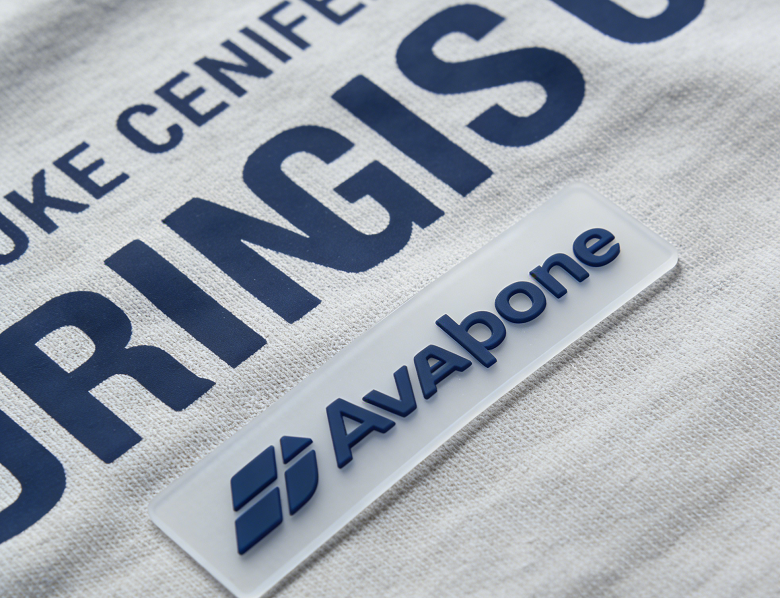
For apparel brands, especially small and medium-sized enterprises (SMEs) and independent designers, branding is crucial for standing out in a competitive market. Personalized iron on tags serve as a powerful tool to enhance brand recognition and establish a consistent visual identity across product lines. Unlike generic sewn tags that often lack uniqueness, these tags can be customized with brand logos, slogans, or signature color schemes, ensuring that every piece of apparel carries the brand’s distinctive mark. When consumers encounter the same logo or design element on different products—such as teeshirts, hoodies, and accessories—they develop a stronger sense of brand familiarity and trust. For example, a local DIY apparel brand might use iron on tags with its minimalist logo in its signature blue color, allowing customers to easily identify the brand even without prominent external branding. This consistency not only strengthens brand recall but also helps build a cohesive brand image that resonates with target audiences.
1.2 Personalization: Crafting Exclusive and Custom Pieces
One of the most significant roles of personalized iron on tags is enabling customization, catering to the growing demand for exclusive apparel. For individuals, these tags can be personalized with names, initials, or unique symbols, turning ordinary clothing into one-of-a-kind items. This is particularly popular among fashion enthusiasts who wish to express their individuality, as well as parents who want to add a personal touch to their children’s clothes. For group settings—such as sports teams, family reunions, corporate events, or school functions—iron on tags allow for the creation of unified custom wear. A basketball team, for instance, can have tags with the team name and each player’s number, fostering a sense of unity and identity. Similarly, families might use tags with the family surname or a special date (e.g., a wedding anniversary) for matching outfits during gatherings. This level of personalization not only makes the apparel more meaningful but also enhances the sense of belonging among group members.
1.3 Practicality: Fulfilling Essential Labeling and Identification Needs
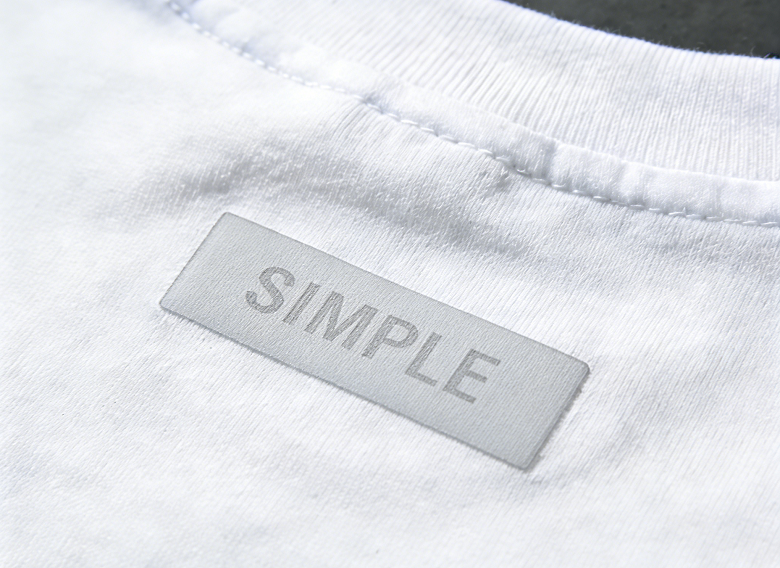
Beyond branding and personalization, personalized iron on tags serve essential practical purposes in apparel. A primary function is providing key information, such as size, fabric composition, and care instructions. This is particularly important for commercial apparel, as consumers rely on this information to make purchasing decisions and maintain the garment properly. For example, a tag on a cotton hoodie might indicate “Machine wash cold, gentle cycle” and “100% cotton,” helping users care for the item and extend its lifespan. Additionally, these tags are invaluable for marking items to prevent loss, especially for children’s clothes, school uniforms, or gym wear. Parents often add their child’s name to clothing tags to avoid mix-ups at school or daycare, while gym-goers might label their workout gear to distinguish it from others. Unlike sewn tags that can be bulky or uncomfortable, iron on tags are lightweight and can be placed in inconspicuous areas (e.g., inside collars or hems) without compromising wearability.
1.4 Aesthetics: Enhancing Design Cohesion with Subtle Decorative Touches
Personalized iron on tags also contribute to the aesthetic appeal of apparel by replacing generic, unattractive sewn tags with customized options that complement the garment’s design. Generic sewn tags are often made of plain fabric or plastic and can disrupt the overall look of a carefully designed outfit, especially for minimalist or high-end apparel. In contrast, iron on tags can be tailored to match the garment’s color palette, fabric texture, and style. For example, a bohemian-style dress might feature a floral-patterned iron on tag in soft earth tones, while a sleek, modern teeshirt could have a simple, monochromatic tag with a clean font. These tags add subtle decorative elements that enhance the garment’s overall design rather than detracting from it. Moreover, since they are applied without stitches, they create a smooth, seamless finish that looks more polished than traditional sewn tags, particularly on lightweight or delicate fabrics.
1.5 Sentiment: Infusing Meaningful and Commemorative Value
Another often-overlooked role of personalized iron on tags is their ability to infuse sentimental value into apparel, making them ideal for special occasions and personalized gifts. For events such as weddings, birthdays, graduations, or memorials, tags can be customized with meaningful messages, dates, or symbols that commemorate the occasion. A wedding party might wear shirts with tags that say “Bride’s Squad” or the wedding date, serving as a lasting memento of the day. Similarly, a personalized gift—such as a hoodie for a college graduate—could feature a tag with a motivational quote or the graduate’s name and graduation year, adding an emotional touch that makes the gift more heartfelt. These tags turn ordinary clothing into keepsakes, reminding the wearer of special moments, relationships, or achievements. Unlike mass-produced apparel, items with personalized iron on tags carry a unique emotional weight that resonates deeply with the wearer.
II. Key Advantages of Personalized Iron On Tags
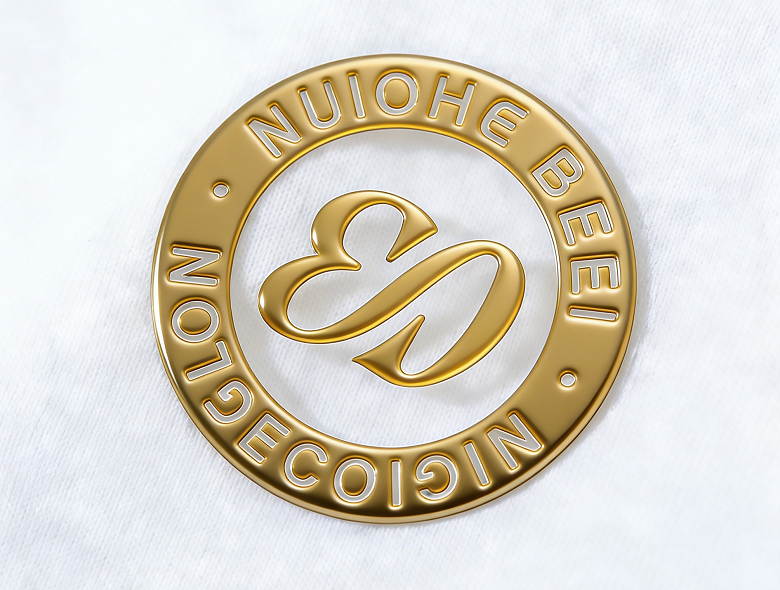
The growing popularity of personalized iron on tags can be attributed to their numerous practical advantages, which make them superior to traditional sewn or embroidered tags in many scenarios. These advantages include ease of application, cost-effectiveness, high customization, fabric-friendliness, efficiency, and flexible adjustment—all of which cater to the needs of DIY enthusiasts, small businesses, and individuals.
2.1 Easy Application: No Professional Skills or Equipment Required
One of the most significant advantages of personalized iron on tags is their ease of application. Unlike sewn or embroidered tags, which require advanced sewing skills, professional machines (such as embroidery machines or industrial sewing machines), and considerable time, iron on tags can be applied by anyone with minimal effort. The only tools needed are a household iron or a small heat press—both of which are readily available in most homes or small workshops. The application process is straightforward: pre-heat the fabric, place the tag in the desired position, apply heat and pressure with the iron or heat press for a specified time, and allow the tag to cool completely. This simplicity makes iron on tags accessible to DIY enthusiasts, hobbyists, and small business owners who may not have professional sewing experience. For example, a parent who wants to personalize their child’s school clothes can do so easily at home without hiring a tailor or purchasing expensive equipment.
2.2 Cost-Effective: Lower Material and Production Costs
Compared to sewn or embroidered custom tags, personalized iron on tags are significantly more cost-effective, making them an ideal choice for individuals and small businesses with limited budgets. The material costs for iron on tags—typically heat-transfer vinyl or paper—are lower than the fabric, thread, and backing materials required for sewn tags. Additionally, the production process for iron on tags is less labor-intensive: there is no need for skilled sewers or time-consuming stitching, which reduces labor costs. For small-batch production—such as team orders, event apparel, or personalized gifts—iron on tags offer substantial cost savings compared to embroidered tags, which often require minimum order quantities and higher per-unit costs. For example, a small business producing 50 custom teeshirts for a local event would spend significantly less on iron on tags than on embroidered tags, while still achieving a professional-looking result.
2.3 High Customization: Versatile for All Apparel Types
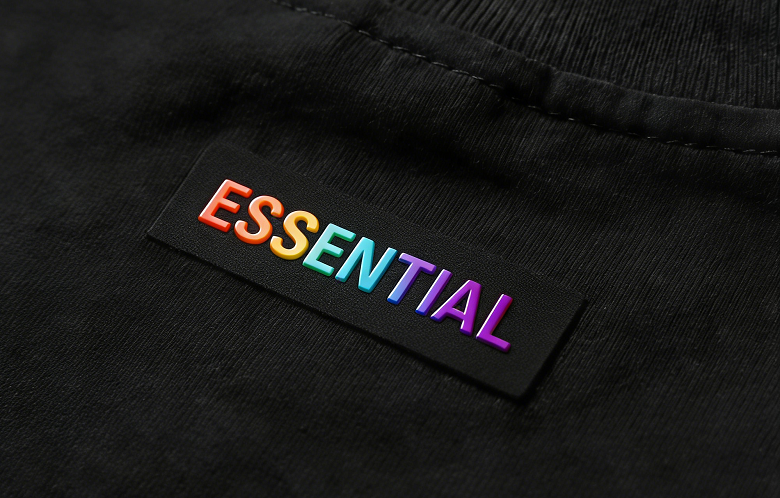
Personalized iron on tags offer unparalleled customization options, making them suitable for virtually all types of apparel and accessories. Users can choose from a wide range of designs, fonts, colors, sizes, and shapes to match their specific needs. Whether it’s a small, subtle tag for a delicate blouse or a bold, colorful tag for a kids’ hoodie, iron on tags can be tailored to fit any garment. They are compatible with various apparel types, including teeshirts, hoodies, jackets, pants, dresses, hats, bags, and even socks. This versatility is particularly beneficial for DIY enthusiasts who enjoy experimenting with different styles, as well as small businesses that need to adapt their branding to different product lines. For example, a brand that sells both casual teeshirts and premium jackets can use the same logo on iron on tags but adjust the size, color, and font to match each product’s design aesthetic. Additionally, many manufacturers offer custom design services, allowing users to create unique tags that reflect their personal style or brand identity.
2.4 Fabric-Friendly: No Damage to Delicate Fabrics
Unlike sewn tags, which can cause damage to delicate fabrics (such as silk, lace, or lightweight cotton) due to stitching holes and tension, personalized iron on tags are fabric-friendly and do not compromise the integrity of the garment. The heat-transfer process bonds the tag to the fabric without the need for needles or thread, eliminating the risk of snags, tears, or fraying. This makes iron on tags ideal for delicate apparel items that require gentle handling. Additionally, iron on tags can be applied to hard-to-sew areas, such as collars, cuffs, hems, and necklines—areas where sewing tags would be difficult or would create bulk. For example, a silk scarf with a small iron on tag at the hem looks clean and seamless, whereas a sewn tag would be noticeable and potentially damage the fabric. This fabric-friendliness expands the range of apparel items that can be personalized or labeled with tags.
2.5 Efficiency: Quick Application for Small-Batch Production
Personalized iron on tags are highly efficient, making them suitable for fast small-batch production—such as event apparel, team orders, or last-minute gifts. The application process takes only a few minutes per garment, which is significantly faster than sewing or embroidering tags (which can take 10-15 minutes per tag). This efficiency is particularly valuable for small businesses or organizations that need to fulfill orders quickly. For example, a school that needs 100 custom hoodies for a sports tournament in a week can easily apply iron on tags in a short amount of time, whereas embroidered tags would require a longer lead time. Additionally, the quick application process allows for on-demand production, which reduces waste and inventory costs. Users can produce only the number of tags they need, rather than ordering large quantities in advance.
2.6 Flexible Adjustment: Precise Placement with Re-Positioning
Another practical advantage of personalized iron on tags is their flexibility during application. Unlike sewn tags, which are permanent once stitched, iron on tags can be re-positioned if they are not fully heated. This allows users to adjust the tag’s placement to ensure it is perfectly aligned and centered before finalizing the bond. For example, if a user places a tag slightly off-center on a teeshirt collar, they can lift it off (as long as the fabric and tag are not fully cooled) and reposition it correctly. This flexibility is particularly useful for individuals who are new to using iron on tags or who need precise placement for aesthetic or functional reasons. It eliminates the risk of wasting tags or ruining garments due to misplacement, making the process more user-friendly and less stressful.
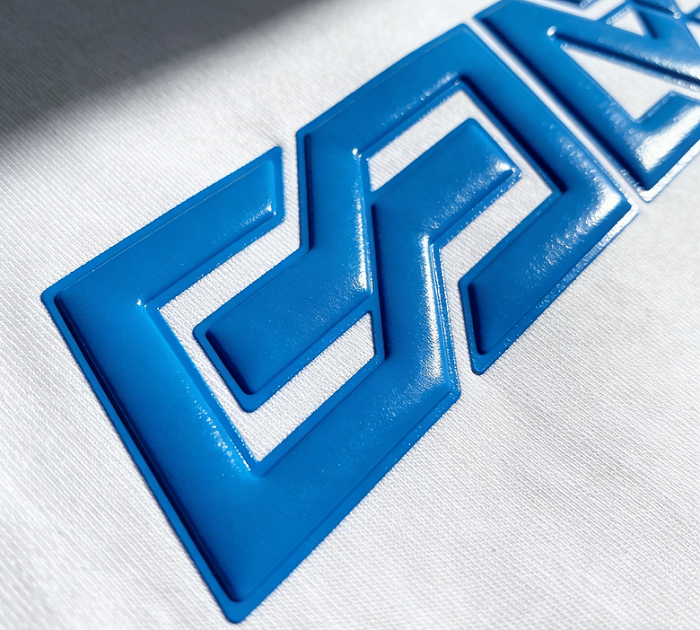
III. Quick Optimization Tips for Better Use
To maximize the effectiveness and durability of personalized iron on tags, it is important to follow a few key optimization tips. These tips ensure that the tags adhere properly, last long, and maintain their appearance through repeated washes and wears.
3.1 Choose High-Quality Materials and Heat-Resistant Fabrics
The quality of the iron on tags and the type of fabric used are critical factors in ensuring durability. It is essential to select high-quality heat-transfer tags made from premium vinyl or paper, as low-quality tags may peel or fade after a few washes. Additionally, iron on tags should only be applied to heat-resistant fabrics, such as cotton, linen, canvas, or blends with a high cotton content. Fabrics that are sensitive to heat—such as polyester, silk, or spandex—may melt or warp when exposed to the high temperatures required for application. Before applying a tag to a new fabric, it is recommended to test a small, inconspicuous area to ensure that the fabric can withstand the heat without damage.
3.2 Use Proper Heat and Pressure Techniques
For optimal adhesion, it is best to use a heat press rather than a household iron, as heat presses provide even heat and pressure across the entire tag. This ensures that the tag bonds uniformly to the fabric, reducing the risk of peeling. If using a household iron, it is important to set it to the appropriate heat level (typically the cotton setting) and apply firm, even pressure for the recommended time (usually 10-15 seconds). Before applying the tag, pre-heat the fabric for 5-10 seconds to remove any moisture, which can prevent proper adhesion. After applying the tag, allow it to cool completely (at least 1-2 minutes) before peeling off the backing paper. Cooling the tag ensures that the adhesive sets fully, creating a strong bond.

3.3 Follow Proper Washing and Care Instructions
To extend the lifespan of personalized iron on tags, it is important to wash and care for the tagged apparel properly. Always wash the garment inside out with cold water on a gentle cycle. Washing inside out protects the tag from friction and agitation, which can cause peeling or fading. Avoid using bleach or harsh detergents, as these can damage the tag’s design and adhesive. Additionally, do not iron directly over the tag, as this can melt the vinyl or paper and ruin the design. If the garment needs to be ironed, iron it inside out or place a cloth over the tag before ironing.
3.4 Add Edge Stitches for Long-Term Use
For garments that will be used frequently or washed repeatedly (such as kids’ clothes, gym wear, or work uniforms), adding edge stitches around the iron on tag can provide extra adhesion and durability. Edge stitches reinforce the bond between the tag and the fabric, preventing the edges of the tag from peeling over time. This is particularly useful for tags applied to stretchy fabrics or garments that undergo a lot of movement. The stitches can be simple and subtle, using a thread color that matches the tag or fabric to maintain the aesthetic appeal.
Conclusion
Personalized iron on tags have emerged as a versatile and indispensable accessory in the apparel industry, serving a wide range of roles that cater to personal, commercial, and DIY needs. From enhancing brand recognition and creating exclusive personalized pieces to providing essential practical information and infusing sentimental value, these tags offer multi-functional benefits that traditional sewn or embroidered tags cannot match. Their key advantages—ease of application, cost-effectiveness, high customization, fabric-friendliness, efficiency, and flexible adjustment—make them an ideal choice for DIY enthusiasts, small businesses, sports teams, families, and anyone seeking to add a personal touch to their apparel.
The core value of personalized iron on tags lies in their ability to balance functionality, aesthetics, and convenience. They eliminate the barriers associated with traditional custom tags—such as high costs, professional skills, and fabric damage—making customization accessible to everyone. Whether it’s a small business looking to build its brand, a parent wanting to label their child’s clothes, or an individual creating a personalized gift for a loved one, iron on tags deliver practical, high-quality results.
With proper material selection and adherence to application and care tips, personalized iron on tags can maintain their appearance and functionality for years, making them a reliable and cost-effective solution for casual apparel, custom group wear, and personalized gifts. As the demand for customization continues to grow in the apparel industry, personalized iron on tags are poised to remain a popular choice for those seeking to combine practicality, creativity, and sentiment in their clothing and accessories.
PEPHAWK is proud to highlight our integrated one-stop service—seamlessly combining professional design, R&D, and manufacturing capabilities to deliver cohesive, end-to-end solutions for our valued clients.
Our core product range covers a diverse selection of high-quality accessories and silicone-based items, including:
- Garment Accessories: Silicone Labels, Micro Fiber Labels, TPU Labels, Leather Labels
- Electronic & Lifestyle Gadgets: Silicone Mobile Phone Skins, Silicone MP3 Skins, Silicone Chaplets, Silicone Bracelets
Beyond our core offerings, we also connect clients with complementary products through our trusted affiliated companies, ensuring all your needs are met under one partnership.
What sets us apart is our specialized expertise in key manufacturing processes: Silk Screen Printing, High-Frequency Welding, Sublimation Printing, Seamless Fabric Processing, and Laser Cutting. These capabilities allow us to serve a wide array of industries—from garments, shoes, caps, and gloves to electronic devices, bags, and sporting equipment—with products that blend durability, functionality, and aesthetic appeal.
At PEPHAWK, customer satisfaction is our top priority. We’re committed to providing responsive, thorough support, and guarantee a same-day response to all inquiries—no exceptions. You can rely on us for consistent quality, reliable delivery, and a partnership that’s as efficient as it is trustworthy.
Whether you’re looking for custom apparel labels, protective silicone skins, or tailored manufacturing solutions, PEPHAWK has the expertise and flexibility to bring your vision to life.
Luxury Designer Patches – Elevating Fashion with Exclusivity and Craftsmanship
How Do You Know If a Patch Is Iron On?




SEND MESSAGE