6 Steps to Flawless Personalized Iron On Names
Shop our collection of personalized iron-on names to customize your apparel. Ideal for sports teams, family events, and individual expression.
Step 1: Choose the Right Material for Your Fabric Type
Not all iron-on materials work equally well on every fabric. For cotton shirts, use polyester-based heat transfer vinyl (HTV) with a soft adhesive layer that bonds well to natural fibers. For synthetic blends like polyester or spandex, select stretchable HTV designed to flex with the fabric, reducing cracks over time. Avoid PVC-based materials—they often peel after a few washes. Always test a small patch first: apply at 305°F (152°C) for 8 seconds on cotton or 285°F (140°C) for 6 seconds on synthetics to check adhesion.
Step 2: Optimize Design for Durability
Simple designs last longer than intricate ones. Avoid overly thin letters (below 2mm stroke width) or excessive spacing between characters, which can break apart during washing. For names, use sans-serif fonts like Arial Bold or Impact, which distribute stress evenly. If using layered colors, ensure overlapping areas are fully sealed to prevent moisture from seeping between layers. For best results, keep designs under 4 inches wide to reduce strain on fabric fibers.
Step 3: Prepare the Garment Properly
A clean surface ensures better adhesion. Wash the shirt before application to remove manufacturing residues like silicone coatings. Use a lint roller to eliminate dust and fibers from the target area. Pre-press the fabric for 5 seconds to flatten wrinkles and remove moisture—this creates a smooth base for the transfer. Avoid stretching the fabric during application, as tension can cause the design to warp after cooling.
Step 4: Apply Heat with Consistent Pressure
Use a heat press machine for uniform results. Set the temperature to 305°F (152°C) for cotton or 285°F (140°C) for polyester blends, with medium-to-high pressure (around 60 psi). Press for 10–12 seconds , then immediately peel off the carrier sheet while the vinyl is still warm (unless the material specifies a cold peel). For home irons, apply firm pressure in a circular motion for 20–25 seconds per inch, but note that this method increases the risk of uneven bonding.
Step 5: Reinforce Edges for Extra Longevity
Thin edges and corners are prone to lifting. After application, reinforce these areas by lightly pressing the iron/heat press over them for an extra 2–3 seconds. For high-wear items like sports jerseys, use a clear HTV border around the name to act as a protective seal. This adds a layer of adhesive without altering the design’s appearance. Avoid folding or creasing the garment for 24 hours after application to let the adhesive fully set.
Step 6: Follow Care Instructions Post-Application
The first wash determines the design’s lifespan. Wait 24 hours before washing to allow full adhesive curing. Turn the garment inside out, use cold water (below 85°F/30°C), and avoid harsh detergents or bleach. Tumble dry on low or air-dry—excessive heat weakens the bond over time. For commercial clients, provide care labels with clear instructions: “Wash inside-out. Do not iron directly on design.” This reduces customer complaints and repeat replacements.
By focusing on practical steps and avoiding over-engineered solutions, these methods ensure durable, professional results without requiring industrial equipment. Whether for school uniforms, team apparel, or retail products, this streamlined approach balances quality with real-world
When tackling intricate design projects that demand precision and excellence, PEPHAWK stands as your trusted partner. With 16 years of industry expertise and our general manager’s 31-year legacy in silicone innovation, we specialize in transforming complex logo concepts into flawless realities. Our seasoned team combines technical mastery with creative problem-solving to deliver unmatched quality, ensuring your vision is executed with meticulous attention to detail. Partner with PEPHAWK—where unparalleled experience meets cutting-edge craftsmanship.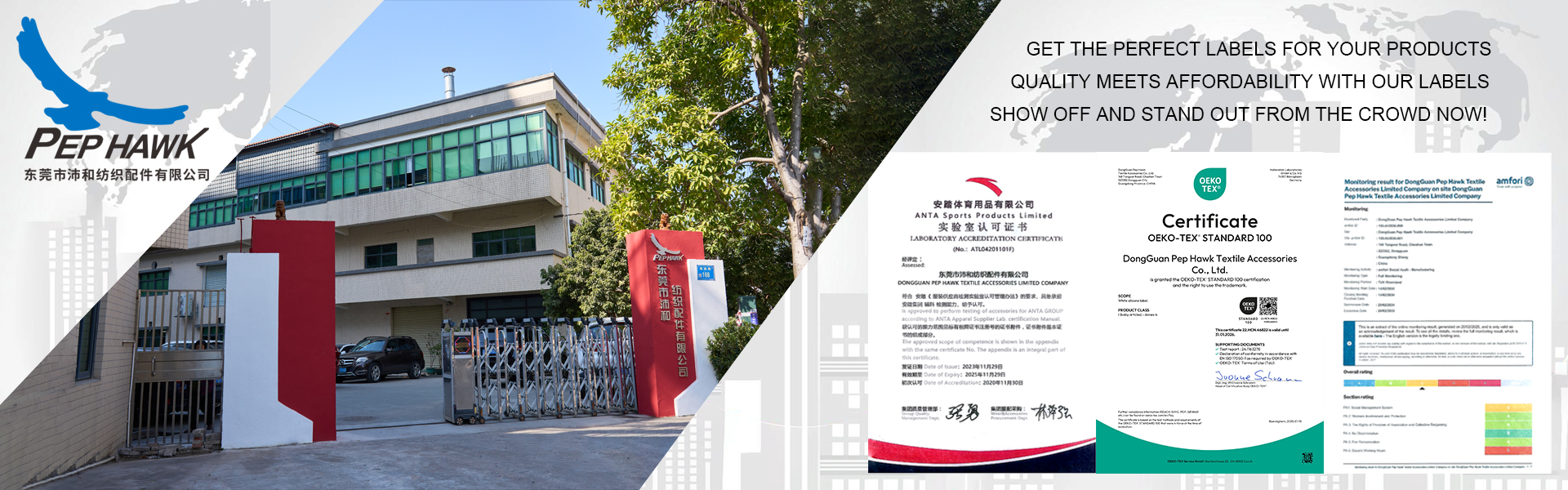
Why Wholesale Embroidered Patches Are a Bargain
T-Shirt Iron On Letters: Why Your Design Keeps Fading