Beyond the Logo: Personalized Iron-On Patches as Meaningful Fashion Statements
Personalise your belongings with our custom iron-on patches. Easy to apply and perfect for any fabric—make your mark with a unique design!
The Market Evolution: From Utility to Ubiquitous Expression
The journey of the iron-on patch from purely utilitarian to a mainstream cultural and commercial phenomenon is undeniable. Driven by the rise of social media aesthetics, the growth of the DIY movement, and a collective desire for authentic personal branding, the market has exploded. Recent industry data underscores this trajectory. A 2023 report by Statista highlighted the global custom apparel market, encompassing personalized accessories like patches, growing at a Compound Annual Growth Rate (CAGR) of 24.5% from 2021 to 2023, significantly outpacing the broader fashion industry. This surge is fueled by consumers actively seeking ways to differentiate themselves and imbue their clothing with meaning. Furthermore, the pandemic accelerated the trend, as individuals turned to creative, at-home projects like customizing jackets, bags, and even home textiles, proving the patch's enduring appeal as a tool for self-reinvention and comfort. The shift from mass-produced, generic patches to bespoke, high-quality personalized options is now the dominant force.
Technical Mastery: Beyond Simple Adhesive
Creating truly effective and durable personalized iron-on patches requires a sophisticated understanding of materials science and application techniques. The core lies in the backing and adhesive system. High-quality patches utilize specialized heat-activated adhesives (often thermoplastic polyurethane - TPU) that bond seamlessly to the fabric under the correct temperature and pressure. Crucially, the patch itself must be made from compatible materials. For instance, patches featuring intricate embroidery or digital printing require careful selection of the base fabric (like woven polyester or felt) to ensure the design survives repeated washing and wear. Leading manufacturers employ advanced digital cutting and embroidery machines, allowing for astonishing detail – from photorealistic images to complex textures. However, achieving a professional finish is not just about the patch itself; it demands precise application. Using the correct iron temperature (typically 300°F - 350°F / 150°C - 175°C), sufficient pressure for 20-30 seconds (with a cloth barrier), and proper placement is non-negotiable for longevity. Poor application, even with a good patch, leads to peeling and frustration. This technical expertise is what separates a fleeting decoration from a lasting statement.

Sustainability: The Imperative for Modern Patches
The demand for personalized patches intersects powerfully with the growing consumer imperative for sustainable fashion. Ethical sourcing and environmental responsibility are no longer niche concerns; they are central to brand trust. Savvy manufacturers and consumers are increasingly prioritizing patches made from recycled materials, such as polyester derived from plastic bottles, or organic cotton. The rise of eco-friendly adhesives and water-based inks further reduces the environmental footprint. A 2022 McKinsey & Company report on consumer trends noted that 67% of consumers actively consider sustainability when making purchasing decisions, particularly within fashion and accessories. Personalized patches, especially when crafted from sustainable materials or designed to repair and refresh existing garments (a key tenet of the "slow fashion" movement), offer a tangible way to embrace circularity. They allow individuals to extend the life of clothing, reducing waste, while still expressing individuality. This alignment with environmental values significantly enhances the patch's credibility and appeal in today's market. It’s no longer just about what you wear, but how it was made and its impact.
The Future Landscape: Innovation and Personalization
Looking ahead, the personalized iron-on patch sector is poised for continued innovation driven by technology and evolving consumer desires. We are moving towards even more accessible customization platforms where users can design patches in real-time using intuitive mobile apps or web tools, incorporating features like QR codes linking to personal websites or social media profiles. Integration with smart textiles, while still nascent, holds potential for patches that interact with devices or change properties. The most significant trend, however, remains the deepening of personalization. Consumers seek patches that tell a specific story – a child’s first drawing, a significant life event, a unique piece of artwork, or a subtle nod to a cultural movement. The market is shifting from simple logos to deeply meaningful, one-of-a-kind artifacts. This demands a high level of collaboration between the designer/brand and the consumer. Manufacturers must provide robust design tools, transparent material information, and clear guidance on application to ensure the final product meets the high expectations of a market that values both uniqueness and quality. The future belongs to patches that are not just attached, but integrated into the very identity of the wearer.
When tackling intricate design projects that demand precision and excellence, PEPHAWK stands as your trusted partner. With 16 years of industry expertise and our general manager’s 31-year legacy in silicone innovation, we specialize in transforming complex logo concepts into flawless realities. Our seasoned team combines technical mastery with creative problem-solving to deliver unmatched quality, ensuring your vision is executed with meticulous attention to detail. Partner with PEPHAWK—where unparalleled experience meets cutting-edge craftsmanship.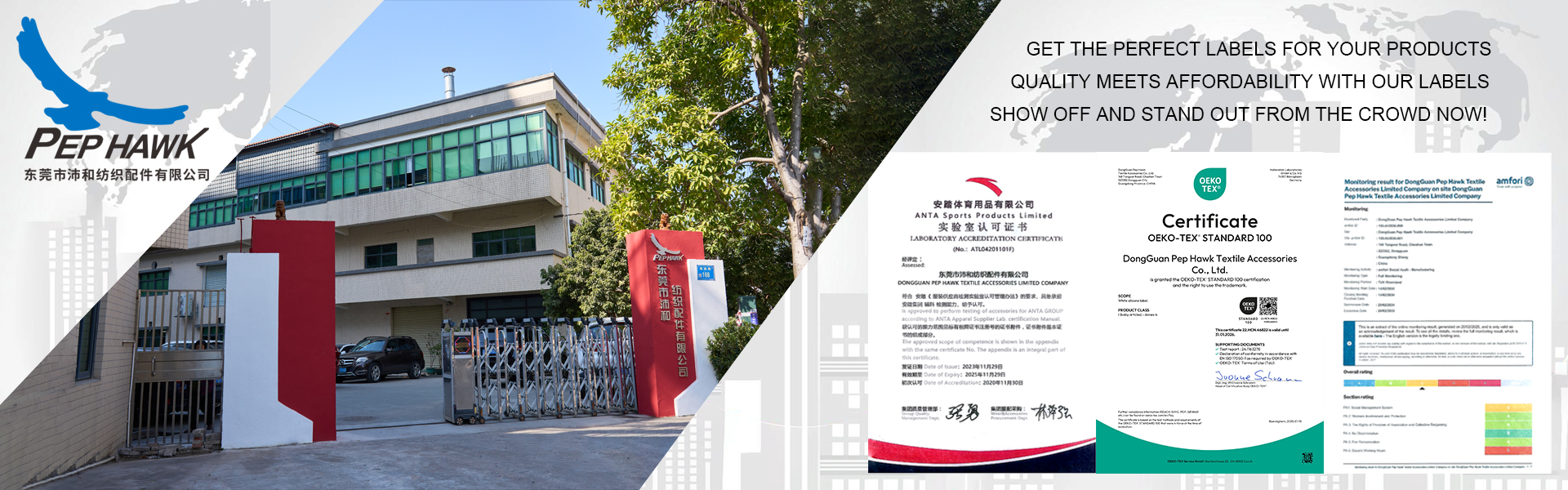
Golf Bag Patches: Elevate Your Gear Style with 2024-2025’s Trending Designs & Top Brands
How Custom Iron On Tags Enhance Apparel Quality and Consumer Confidence