

A Complete Guide to T-Shirt Patches: Types, Uses & Why You Should Choose Each
2026-03-28
Table of Contents
T-shirt patches are more than just a decorative accessory—they’re a versatile way to personalize your wardrobe, repair worn-out tees, brand your business, or add a unique touch to casual outfits.
Whether you’re a DIY enthusiast, a small business owner looking to elevate your apparel line, or someone who wants to refresh old t-shirts without buying new ones, choosing the right patch type is key. In this guide, we’ll break down the most popular t-shirt patch types, their key features, and—most importantly—why you should choose each one for your specific needs. We’ll also include easy-to-reference tables to help you compare and decide quickly.
1. Introduction: Why T-Shirt Patches Matter
In a world of mass-produced clothing, patches offer a simple way to stand out. They’re affordable, customizable, and can transform a plain t-shirt into something with personality. But not all patches are created equal. The type you choose depends on your goals: Do you want durability? Vibrant colors? A vintage look? Or easy application? Understanding the differences between patch types will help you make the best choice, whether you’re patching a hole, adding a logo, or creating a statement piece.
Below, we’ll categorize patches by their craft, attachment method, material, and style—four key factors that influence functionality and appearance. Each section includes clear explanations, pros and cons, and a “why choose” breakdown to make your decision easier.
2. T-Shirt Patches by Craft & Production (Most Common Types)
The craft used to make a patch determines its texture, detail, and durability. These are the most popular craft-based patch types, each with unique benefits for different uses.
2.1 Embroidered Patches
Embroidered patches are the classic choice for t-shirts—and for good reason. They’re made by stitching thread onto a backing material, creating a 3D, textured look that’s eye-catching and long-lasting. Available in a wide range of thread colors, they can handle simple logos, letters, or complex cartoon patterns with ease.
Why choose embroidered patches? They’re timeless, durable, and give a high-quality, professional finish. If you want a patch that stands out (literally, with its 3D texture) and can withstand repeated washes without fading or fraying, embroidered patches are your best bet. They’re perfect for brand logos, team uniforms, or personal designs that need to look polished.
2.2 Woven Patches
Woven patches are similar to embroidered patches but use a tighter, flatter stitch. Instead of creating a 3D effect, they weave threads together to create a smooth, detailed design. This makes them ideal for small text, intricate patterns, or designs that require sharp, clear lines—something embroidered patches can struggle with.
Why choose woven patches? If you have a design with fine details (like small brand names or complex graphics), woven patches will showcase them better than embroidered ones. They’re also thinner and flatter, making them a great choice for t-shirts where you don’t want a bulky patch. They’re durable, too—just as long-lasting as embroidered patches, but with a sleeker look.
2.3 Printed Patches
Printed patches are made by printing a design directly onto a fabric backing (usually cotton or polyester). They use digital or screen printing, which allows for vibrant, full-color designs that are hard to achieve with embroidery or weaving. They’re also one of the most cost-effective options, especially for large orders or large designs.
Why choose printed patches? If you want bright, bold colors, gradients, or photo-realistic designs, printed patches are the way to go. They’re perfect for DIY projects, small batches, or designs that are too complex for embroidery. They’re also lightweight and easy to apply, making them a great choice for beginners.
2.4 PVC/Rubber Patches
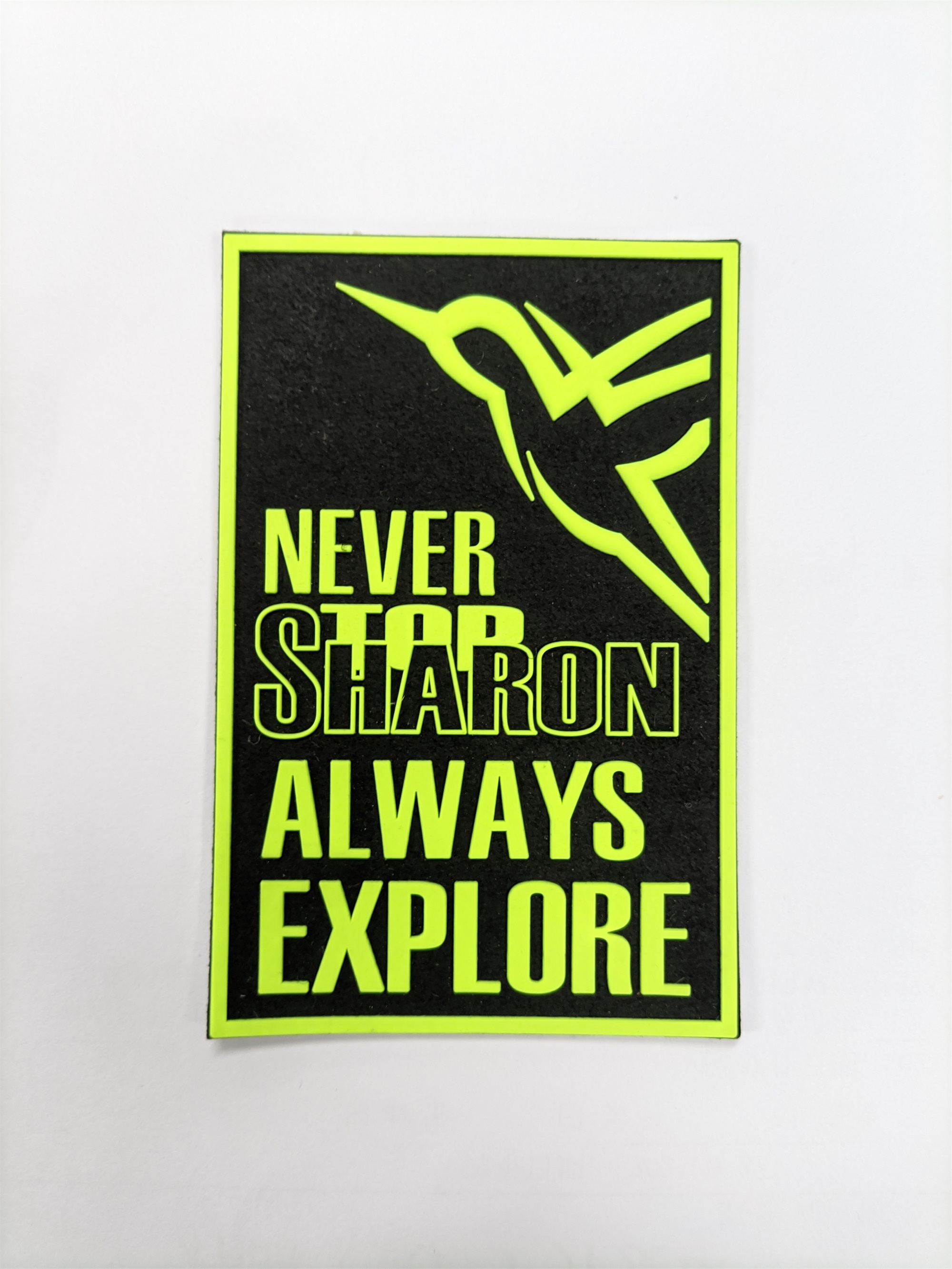
PVC (polyvinyl chloride) or rubber patches are made by molding a 3D design from flexible, waterproof material. They have a smooth, rubbery texture and are available in a range of colors and shapes. They’re often used in streetwear, outdoor apparel, or any situation where durability and water resistance are important.
Why choose PVC/rubber patches? They’re waterproof, flexible, and extremely durable—they won’t fade, fray, or tear, even with heavy use. They’re perfect for t-shirts that will be worn outdoors, washed frequently, or used in active settings. They also have a modern, trendy look that’s popular in street fashion.
2.5 Leather & Faux Leather Patches
Leather and faux leather patches add a premium, vintage touch to t-shirts. Made from genuine leather or synthetic alternatives (like PU leather), they have a smooth, luxurious texture and are often used for brand labels, monograms, or subtle decorative accents.
Why choose leather/faux leather patches? They’re durable, stylish, and give a high-end look to any t-shirt. Faux leather is a more affordable, vegan-friendly alternative to genuine leather, while still offering the same vintage aesthetic. They’re perfect for brands looking to convey sophistication, or anyone who wants to add a touch of luxury to a plain tee.
2.6 Chenille Patches
Chenille patches are known for their fluffy, soft texture—think varsity jackets or retro sportswear. They’re made by weaving yarn into a thick, fuzzy design, creating a 3D effect that’s warm and eye-catching. They’re often used for letters, numbers, or simple graphics.
Why choose chenille patches? They have a nostalgic, retro vibe that’s perfect for vintage-inspired t-shirts, school spirit wear, or casual outfits. They’re soft to the touch and add a fun, playful element to any tee. While they’re not as durable as embroidered or PVC patches, they’re great for decorative purposes and occasional wear.
2.7 Laser-Cut Patches
Laser-cut patches are made by using a laser to cut fabric (or other materials) into precise shapes. They have clean, sharp edges and a minimalist, modern look. They can be made from a variety of materials, including fabric, leather, or felt, and are often used for simple, geometric designs.
Why choose laser-cut patches? If you want a sleek, modern design with clean lines, laser-cut patches are ideal. They’re perfect for minimalist t-shirts, brand logos with simple shapes, or anyone who wants a subtle, understated patch. They’re also easy to customize and can be cut into any shape you want.
|
Patch Type
|
Key Features
|
Best For
|
Why Choose It
|
|---|---|---|---|
|
Embroidered
|
3D texture, durable, wide color range
|
Brand logos, team uniforms, polished designs
|
Timeless, professional, withstands frequent washes
|
|
Woven
|
Smooth, detailed, thin
|
Small text, complex patterns, sleek designs
|
Showcases fine details, no bulk, long-lasting
|
|
Printed
|
Vibrant colors, cost-effective, lightweight
|
Complex graphics, DIY projects, large orders
|
Bright, photo-realistic designs, easy to apply
|
|
PVC/Rubber
|
Waterproof, flexible, 3D molded
|
Streetwear, outdoor apparel, active use
|
Extremely durable, trendy, water-resistant
|
|
Leather/Faux Leather
|
Premium, vintage, luxurious
|
Brand labels, monograms, high-end designs
|
Sophisticated look, durable, vegan options available
|
|
Chenille
|
Fluffy, soft, retro
|
Vintage tees, school spirit wear, casual designs
|
Nostalgic vibe, fun, soft to the touch
|
|
Laser-Cut
|
Clean edges, minimalist, precise
|
Minimalist tees, simple shapes, modern designs
|
Sleek, customizable, understated look
|
3. T-Shirt Patches by Attachment Method
How you attach a patch to your t-shirt is just as important as the patch itself. Different attachment methods vary in ease of use, durability, and suitability for different fabrics. Here’s a breakdown of the most common attachment methods, along with why you might choose each one.
3.1 Iron-On Patches
Iron-on patches are the most popular choice for DIY enthusiasts. They have a heat-activated adhesive backing—simply place the patch on your t-shirt, apply heat with an iron, and it sticks. They’re quick, easy, and require no sewing skills.
Why choose iron-on patches? They’re perfect for beginners or anyone who wants a fast, hassle-free application. They work well on most cotton or polyester t-shirts and are great for temporary or semi-permanent designs. Just note that they’re not as durable as sewn-on patches and may peel off after repeated washes.
3.2 Sew-On Patches
Sew-on patches require needle and thread (or a sewing machine) to attach to your t-shirt. They don’t have an adhesive backing, so they’re more secure and durable than iron-on patches. They can be sewn around the edges or in a decorative pattern for extra style.
Why choose sew-on patches? If you want a patch that will last for years, even with frequent washing and wear, sew-on patches are the way to go. They’re ideal for heavy-use t-shirts (like workwear or team uniforms) and can be attached to any fabric, including delicate materials that can’t handle heat (like silk or linen).
3.3 Self-Adhesive/Stick-On Patches
Self-adhesive patches have a peel-and-stick backing, similar to a sticker. They’re the easiest to apply—just peel off the backing and stick the patch to your t-shirt. They’re perfect for temporary use or quick updates.
Why choose self-adhesive patches? They’re great for one-time events, parties, or anyone who wants to change their t-shirt design frequently. They’re also ideal for kids’ t-shirts, as they’re easy to apply and remove without damaging the fabric. However, they’re not durable and will peel off after washing.
3.4 Heat-Press Patches
Heat-press patches are similar to iron-on patches but require a heat press machine (instead of a regular iron) for application. The heat press applies consistent heat and pressure, creating a stronger bond than an iron.
Why choose heat-press patches? If you’re making multiple t-shirts (like for a business or event), heat-press patches are more efficient and durable than iron-on patches. They’re perfect for large orders and create a professional, long-lasting bond. They’re also great for PVC or rubber patches, which require higher heat to adhere properly.
3.5 Velcro Patches
Velcro patches consist of two parts: a hook side (attached to the patch) and a loop side (sewn or ironed onto the t-shirt). This allows you to easily remove and replace the patch whenever you want.
Why choose Velcro patches? They’re perfect for anyone who wants versatility—you can switch out patches depending on your outfit, mood, or event. They’re also great for military or tactical t-shirts, workwear, or kids’ clothing, where patches may need to be removed for washing or replaced frequently.
|
Attachment Method
|
Ease of Use
|
Durability
|
Best For
|
Why Choose It
|
|---|---|---|---|---|
|
Iron-On
|
Easy (no sewing)
|
Medium (may peel after washes)
|
DIY projects, semi-permanent designs
|
Fast, beginner-friendly, no skills needed
|
|
Sew-On
|
Moderate (requires sewing skills)
|
High (long-lasting, secure)
|
Heavy-use tees, delicate fabrics
|
Most durable, works on all fabrics
|
|
Self-Adhesive
|
Very easy (peel-and-stick)
|
Low (temporary, peels off)
|
One-time use, kids’ tees
|
Quick, no tools needed, easy to remove
|
|
Heat-Press
|
Moderate (requires heat press)
|
High (strong, professional bond)
|
Large orders, PVC/rubber patches
|
Efficient, durable, professional finish
|
|
Velcro
|
Easy (remove/replace quickly)
|
Medium (depends on Velcro quality)
|
Versatile designs, military/workwear
|
Switch patches easily, reusable
|
4. T-Shirt Patches by Material
The material of a patch affects its texture, durability, and appearance. Different materials work better for different styles and uses, so choosing the right material is key to getting the look and functionality you want.
4.1 Fabric Patches (Cotton, Polyester, Felt)
Fabric patches are the most common type, made from cotton, polyester, felt, or a blend. They’re lightweight, breathable, and easy to customize. Cotton patches are soft and natural, while polyester patches are more durable and resistant to wrinkles and fading. Felt patches have a fuzzy texture and are great for simple, playful designs.
Why choose fabric patches? They’re versatile, affordable, and work well with most t-shirt fabrics. They’re perfect for DIY projects, decorative designs, or anyone who wants a lightweight, comfortable patch. Felt patches are especially great for kids’ tees or retro-inspired designs.
4.2 Silicone Patches
Silicone patches are similar to PVC patches but are made from soft, flexible silicone. They have a smooth, rubbery texture and are waterproof, heat-resistant, and extremely durable. They’re often used in outdoor apparel, sportswear, or any situation where durability is key.
Why choose silicone patches? They’re softer and more flexible than PVC patches, making them more comfortable to wear on t-shirts. They’re also waterproof and heat-resistant, so they won’t fade or melt in the sun or washing machine. They’re perfect for active wear or outdoor enthusiasts.
4.3 Metallic & Reflective Patches
Metallic patches are made with metallic thread or fabric, giving them a shiny, eye-catching look. Reflective patches are made with reflective material that glows in the dark or under light, making them ideal for safety purposes.
Why choose metallic/reflective patches? Metallic patches add a touch of glamour to t-shirts, perfect for parties, events, or anyone who wants to stand out. Reflective patches are great for safety—they make you more visible at night, making them ideal for runners, cyclists, or anyone who spends time outdoors after dark.
|
Material
|
Texture
|
Durability
|
Best For
|
Why Choose It
|
|---|---|---|---|---|
|
Fabric (Cotton/Polyester/Felt)
|
Soft, lightweight, breathable
|
Medium to high
|
DIY projects, decorative designs, kids’ tees
|
Versatile, affordable, comfortable
|
|
Silicone
|
Soft, flexible, rubbery
|
High (waterproof, heat-resistant)
|
Active wear, outdoor apparel
|
Comfortable, durable, weather-resistant
|
|
Metallic
|
Shiny, sleek
|
Medium
|
Parties, events, glamorous designs
|
Eye-catching, adds glamour
|
|
Reflective
|
Smooth, reflective
|
High
|
Safety, outdoor activities
|
Increases visibility, safe for night use
|
5. T-Shirt Patches by Style & Purpose
Patches come in a variety of styles, each designed for a specific purpose. Whether you’re branding your business, repairing a t-shirt, or adding a decorative touch, there’s a patch style for you.
5.1 Brand & Logo Patches
Brand and logo patches are used to promote a business, organization, or team. They’re usually embroidered, woven, or PVC patches, as they need to be durable and professional-looking.
Why choose brand/logo patches? They’re a great way to build brand recognition and promote your business. They can be added to t-shirts, hoodies, or other apparel to create a cohesive brand image. Embroidered or woven logo patches give a professional, polished look, while PVC patches add a modern, trendy touch.
5.2 Decorative Graphic Patches
Decorative graphic patches feature designs like cartoons, quotes, nature scenes, or abstract art. They’re available in all craft types and are perfect for personalizing t-shirts with your interests or personality.
Why choose decorative graphic patches? They’re a fun, easy way to add personality to plain t-shirts. Whether you’re into music, movies, animals, or quotes, there’s a decorative patch for you. Printed patches are great for vibrant, detailed graphics, while embroidered patches add texture and depth.
5.3 Repair Patches
Repair patches are designed to cover holes, stains, or worn areas on t-shirts. They’re usually made from durable materials like fabric, leather, or PVC, and can be ironed or sewn on.
Why choose repair patches? They’re a cost-effective way to extend the life of your favorite t-shirts. Instead of throwing away a tee with a hole, you can cover it with a stylish patch and give it a new lease on life. They’re also a great way to add a unique touch to worn-out tees.
5.4 Vintage & Retro Patches
Vintage and retro patches feature designs from past decades (like the 70s, 80s, or 90s) or classic styles. They’re often made from felt, chenille, or embroidered fabric, giving them a nostalgic look.
Why choose vintage/retro patches? They’re perfect for anyone who loves retro fashion or wants to add a nostalgic touch to their wardrobe. They pair well with plain t-shirts, denim jackets, or other casual apparel, and can help you stand out from the crowd.
6. Conclusion: How to Choose the Right T-Shirt Patch
Choosing the right t-shirt patch depends on your goals, budget, and personal style. To summarize: If you want durability and a professional look, go for embroidered or woven patches. If you want vibrant colors and complex designs, printed patches are best. For waterproof, trendy designs, PVC or silicone patches are ideal. For easy application, choose iron-on or self-adhesive patches; for long-lasting security, sew-on or heat-press patches are better.
No matter what type of patch you choose, it’s a simple, affordable way to personalize your t-shirts, promote your brand, or repair worn-out apparel. With so many options available, you’re sure to find a patch that fits your needs and style.
Whether you’re a DIY enthusiast, a small business owner, or just someone who wants to refresh their wardrobe, t-shirt patches are a versatile and fun accessory. So grab your favorite patch, attach it to your tee, and let your personality shine!
Choosing the Right Patches for Coats: Elevate Your Outerwear Style
Exploring the Different Types of Big Fabric Badges




SEND MESSAGE