

Choosing the Right Patches for Coats: Elevate Your Outerwear Style
2026-03-28
Table of Contents
- 1. Start with the Basics: Why Coat Patches Matter
- 2. Match the Patch to Your Coat Material (Critical!)
- 3. Choose the Right Patch Material & Craft
- 4. Get the Size & Shape Right
- 5. Pick the Best Attachment Method
- 6. Coordinate Style & Color
- 7. Consider Durability & Usage Scenarios
- 8. Customization Options (Optional)
- 9. Final Tips & Conclusion
Coat patches are more than just a quick fix for worn elbows or holes—they’re a versatile accessory that can transform plain outerwear into a statement piece, reflect your personality, or even showcase your favorite brands.
But with so many options—from embroidered designs to leather accents, sew-on to iron-on—choosing the right patch for your coat can feel overwhelming.
The good news? It doesn’t have to be. This guide breaks down everything you need to know to pick patches that fit your coat, your style, and your needs. We’ll cover material matches, patch types, attachment methods, and more—with easy-to-reference tables to make your decision even simpler. Let’s dive in.
1. Start with the Basics: Why Coat Patches Matter
Before you start browsing patches, it’s helpful to clarify your “why.” Patches serve three key purposes, and knowing yours will narrow down your choices:
-
Decoration: Add color, texture, or personality to a plain coat (think a vintage band patch on a denim jacket or a minimalist logo on a wool coat).
-
Mending: Cover holes, frayed edges, or worn areas (elbows, cuffs, and pockets are common trouble spots).
-
Expression: Showcase your interests, beliefs, or brand loyalty (e.g., a sports team patch, a sustainability slogan, or a work uniform logo).
No matter your goal, the best patches balance practicality (durability, fit) and aesthetics (style, color). Keep this balance in mind as you work through the guide.
2. Match the Patch to Your Coat Material (Critical!)
Your coat’s fabric is the most important factor when choosing a patch. A patch that works for a denim jacket will likely ruin a delicate wool coat, and vice versa. Use this table to find the perfect match:
|
Coat Material
|
Recommended Patch Types
|
Why It Works
|
What to Avoid
|
|---|---|---|---|
|
Wool & Wool-Blend
|
Soft embroidered patches, thin woven patches
|
Wool is delicate—soft, lightweight patches won’t weigh it down or damage the fibers.
|
Heavy leather/metal patches, high-heat iron-on patches (may scorch wool).
|
|
Down & Padded Coats
|
Lightweight, flexible patches (PVC, silicone, or thin embroidered)
|
Down coats are puffy and flexible—stiff patches will bunch up and look awkward.
|
Thick leather patches, rigid woven patches (restrict movement).
|
|
Denim & Canvas
|
Sturdy embroidered, leather, chenille, or PVC patches
|
Denim and canvas are thick and durable—they can handle heavier, more textured patches.
|
Delicate printed patches (may peel or fade with wear).
|
|
Leather & Faux-Leather
|
Smooth leather/PU patches, sew-on styles
|
Leather is sleek—matching leather patches blend in, while sew-on styles avoid heat damage.
|
Iron-on patches (heat can melt or discolor leather), rough woven patches (scratch the surface).
|
Pro tip: If you’re unsure about your coat’s material, check the care label. It will tell you if the fabric is heat-sensitive (like wool or silk blends) or durable (like denim).
3. Choose the Right Patch Material & Craft
Patch materials and crafts determine not only how your patch looks but also how long it lasts. From classic embroidery to modern PVC, here’s a breakdown of the most popular options—with a comparison table to help you decide:
|
Patch Type
|
Key Features
|
Best For
|
Durability
|
|---|---|---|---|
|
Embroidered Patches
|
Textured, 3D look, available in endless designs (cartoon, vintage, logos).
|
Most coat types (wool, denim, canvas)—great for decoration.
|
High (resistant to washing and wear; avoid harsh detergents).
|
|
Woven Patches
|
Smooth, flat surface, fine details (ideal for small logos or text).
|
Formal coats (wool, wool-blend) or minimalist styles.
|
High (durable and fade-resistant).
|
|
Leather/PU Patches
|
Sleek, stylish, adds a rugged or luxurious touch.
|
Denim, leather, or workwear coats.
|
Very high (water-resistant and scratch-resistant).
|
|
PVC/Silicone Patches
|
Waterproof, flexible, bright colors (great for outdoor use).
|
Down coats, outdoor jackets, kids’ coats.
|
Very high (resistant to water, dirt, and wear).
|
|
Printed/Heat-Transfer Patches
|
Lightweight, colorful, affordable (perfect for simple designs).
|
Casual coats (denim, canvas) or temporary decoration.
|
Medium (may peel after multiple washes).
|
For most people, embroidered or woven patches are the safest bet—they’re versatile, durable, and look great on almost any coat. If you need something waterproof (e.g., for an outdoor jacket), opt for PVC or silicone.
4. Get the Size & Shape Right
A patch that’s too big or too small can throw off your coat’s balance. The key is to match the patch size and shape to your coat’s style and the position where you’ll place it.
Size Guidelines:
-
Small patches (1–2 inches): Perfect for logos, labels, or subtle decoration. Place them on the chest, cuff, or shoulder.
-
Medium patches (3–4 inches): Great for statement designs or mending small to medium holes. Ideal for the chest, elbow, or back of the arm.
-
Large patches (5+ inches): Best for bold statements or covering big holes. Place them on the back of the coat (e.g., a vintage band patch on a denim jacket).
Shape Tips:
-
Round/rectangle: Classic and versatile—works for formal or casual coats.
-
Irregular/3D: Trendy and eye-catching—great for casual coats (denim, canvas) or kids’ outerwear.
-
Custom shapes: Perfect if you want a unique look (e.g., a star, heart, or your initials).
Pro tip: Before buying, measure the area where you’ll place the patch. This ensures it fits perfectly and doesn’t overlap seams or pockets.
5. Pick the Best Attachment Method
How you attach your patch depends on your coat’s material, your skill level, and how permanent you want the patch to be. Here’s a comparison of the most common methods:
|
Attachment Method
|
Pros
|
Cons
|
Best For
|
|---|---|---|---|
|
Sew-On
|
Most secure, long-lasting, works for all coat materials.
|
Requires basic sewing skills; takes time.
|
All coats (especially wool, leather, and denim).
|
|
Iron-On
|
Easy to apply (no sewing), quick, affordable.
|
Not permanent; may peel after washing; damages heat-sensitive fabrics.
|
Denim, canvas, cotton-blend coats (avoid wool/leather).
|
|
Self-Adhesive
|
Super easy; temporary (great for testing placement).
|
Not durable; peels easily (even with light wear).
|
Temporary decoration or testing patch placement.
|
|
Velcro
|
Removable, interchangeable (swap patches easily).
|
Less secure; Velcro may wear out over time.
|
Outdoor coats, workwear, or anyone who likes to change patches often.
|
If you want your patch to last, sew-on is the way to go. For a quick fix or temporary style, iron-on or self-adhesive works. Just avoid iron-on patches on heat-sensitive fabrics—they can leave permanent marks.
6. Coordinate Style & Color
Your patch should complement your coat’s style, not clash with it. Here’s how to coordinate:
Color Matching:
-
Tone-on-tone: Choose a patch in a similar color to your coat (e.g., a navy patch on a dark blue wool coat) for a subtle, polished look.
-
Contrast: Pick a patch in a bold color that stands out (e.g., a red patch on a black denim jacket) for a statement look.
-
Neutral: Black, white, or gray patches work with almost any coat—great if you’re unsure.
Style Consistency:
-
Casual coats (denim, canvas, down): Cartoon, vintage, tactical, or band patches work best. Think fun, playful designs.
-
Formal coats (wool, wool-blend): Minimalist, small logo, or woven patches. Keep it simple and elegant.
-
Workwear/outerwear: Tooling, flag, or brand label patches. Opt for durable materials like leather or PVC.
-
Kids’ coats: Bright, colorful, and fun patches (cartoon characters, animals). Prioritize safety (no sharp edges).
Pro tip: If you’re adding multiple patches, stick to a consistent color palette or style. Too many clashing patches can make your coat look messy.
7. Consider Durability & Usage Scenarios
How often you wear your coat and where you wear it will affect the type of patch you need. Ask yourself these questions:
-
Will I wear this coat daily? Choose a durable patch (embroidered, leather, PVC) that can handle frequent washing and wear.
-
Is this coat for outdoor use? Opt for waterproof, tear-resistant patches (PVC, silicone) that can withstand rain, wind, and dirt.
-
Is this a kids’ coat? Pick non-fading, firmly fixed patches (sew-on or high-quality iron-on) with no small parts that could come loose.
-
Will I wash the coat often? Avoid printed or heat-transfer patches—they’re more likely to peel or fade. Stick to sew-on or PVC.
8. Customization Options (Optional)
If you can’t find the perfect patch, consider customizing one! Custom patches are a great way to add a personal touch or promote a brand. Here’s what to consider:
-
Design: Choose a logo, text, or pattern that reflects your style (e.g., your initials, a favorite quote, or a brand logo).
-
Edge Treatment: Merrowed border (classic, rounded edges) or laser-cut (clean, sharp edges) for a modern look.
-
Material: Pick the same materials we discussed earlier (embroidered, leather, PVC) based on your coat and needs.
Custom patches are often affordable, especially if you order in bulk. Many online retailers let you upload your design and choose all the details—perfect for a one-of-a-kind look.
9. Final Tips & Conclusion
Choosing the right patch for your coat is all about balance—balance between practicality and style, between your coat’s material and the patch’s design. To recap, here are the key steps:
-
Identify your goal (decoration, mending, expression).
-
Match the patch to your coat’s material (use the first table for reference).
-
Choose a patch material and craft that fits your needs (embroidered for versatility, PVC for waterproofing).
-
Pick the right size and shape for the patch’s position.
-
Select an attachment method that’s secure and compatible with your coat.
-
Coordinate the patch’s style and color with your coat.
-
Consider durability based on how you’ll use the coat.
Remember: The best patch is one that feels like “you.” Don’t be afraid to experiment—whether you’re adding a small logo to a formal coat or a bold design to a denim jacket, patches are a fun way to make your outerwear unique.
Now that you have all the tools, it’s time to start shopping (or customizing!) your perfect coat patches. Your outerwear will thank you.
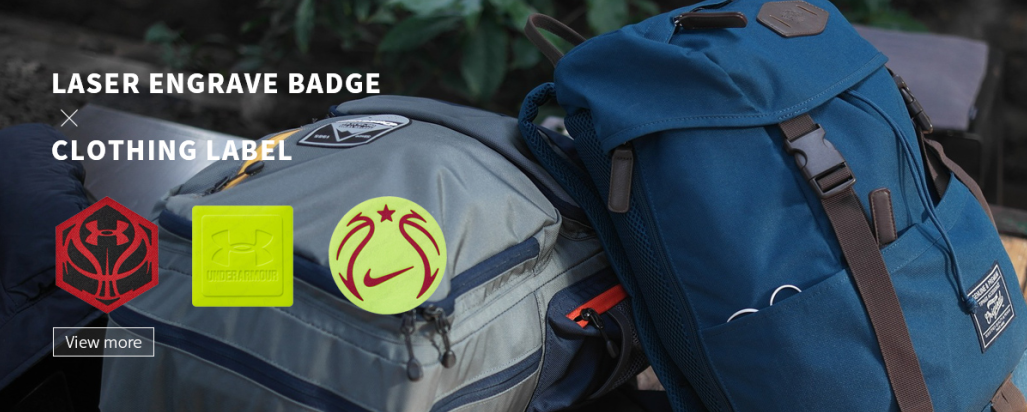
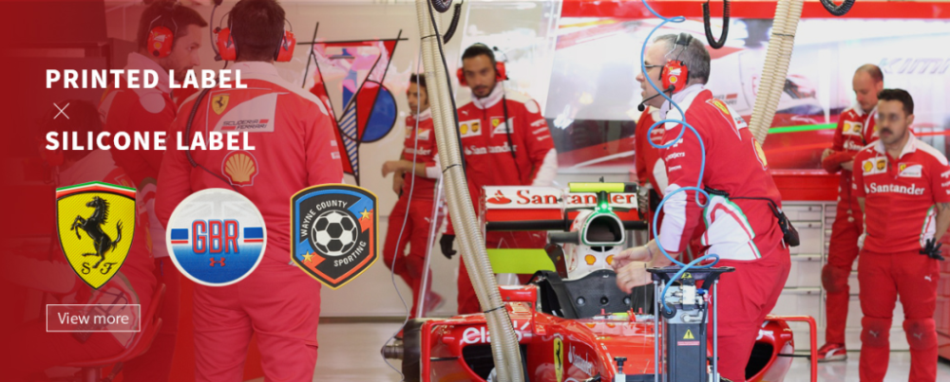
PEPHAWK is proud to highlight our integrated one-stop service—seamlessly combining professional design, R&D, and manufacturing capabilities to deliver cohesive, end-to-end solutions for our valued clients.
Our core product range covers a diverse selection of high-quality accessories and silicone-based items, including:
- Garment Accessories: Silicone Labels, Micro Fiber Labels, TPU Labels, Leather Labels
- Electronic & Lifestyle Gadgets: Silicone Mobile Phone Skins, Silicone MP3 Skins, Silicone Chaplets, Silicone Bracelets
Beyond our core offerings, we also connect clients with complementary products through our trusted affiliated companies, ensuring all your needs are met under one partnership.
What sets us apart is our specialized expertise in key manufacturing processes: Silk Screen Printing, High-Frequency Welding, Sublimation Printing, Seamless Fabric Processing, and Laser Cutting. These capabilities allow us to serve a wide array of industries—from garments, shoes, caps, and gloves to electronic devices, bags, and sporting equipment—with products that blend durability, functionality, and aesthetic appeal.
At PEPHAWK, customer satisfaction is our top priority. We’re committed to providing responsive, thorough support, and guarantee a same-day response to all inquiries—no exceptions. You can rely on us for consistent quality, reliable delivery, and a partnership that’s as efficient as it is trustworthy.
Whether you’re looking for custom apparel labels, protective silicone skins, or tailored manufacturing solutions, PEPHAWK has the expertise and flexibility to bring your vision to life.
Iron-On Patches for Clothes: A Guide to the Top Global Brands
A Complete Guide to T-Shirt Patches: Types, Uses & Why You Should Choose Each




SEND MESSAGE