

Backpack Patches: A Complete Guide to Types, Materials, and How to Choose Yours
2026-03-26
Table of Contents
Backpack patches have evolved from simple functional markers to a beloved way to personalize your gear, add personality to your daily carry, and even make a subtle statement about who you are.
Whether you’re a student, a hiker, a military enthusiast, or just someone who loves customizing their belongings, there’s a backpack patch out there for every style and need.
In this guide, we’ll break down the most common types of backpack patches, organized by material, attachment method, and style. We’ll also include helpful tables to compare their pros and cons, so you can easily find the perfect patch for your backpack. Let’s dive in!
1. Introduction: Why Backpack Patches Matter
Before we get into the types, let’s talk about why backpack patches are more than just decorative accessories. They serve several purposes that make them a popular choice for backpack lovers.
First, they’re a simple way to personalize your backpack. In a world where many people carry similar bags, a patch can make yours stand out and reflect your interests—whether that’s a favorite movie, a sports team, a political belief, or a hobby.
Second, patches can be functional. Some are designed to mark belonging (like military or work patches), while others can cover small scratches or tears on your backpack, extending its life.
Finally, they’re affordable and easy to change. Unlike customizing a backpack with paint or embroidery, patches can be added or removed without damaging the bag, letting you update your style whenever you want.
2. Types of Backpack Patches by Material & Craft
The material and craft of a patch determine its look, durability, and feel. From soft embroidered designs to tough PVC patches, each type has its own unique advantages. Below is a detailed breakdown of the most common materials and crafts, along with a comparison table.
|
Patch Type
|
Material & Craft
|
Key Features
|
Pros
|
Cons
|
Best For
|
|---|---|---|---|---|---|
|
Embroidered Patches
|
Cotton, polyester, or rayon thread stitched onto a backing (cotton, felt, or twill)
|
Textured, dimensional, available in bright colors; can have intricate designs
|
Durable, breathable, classic look, works with most backpack materials
|
Can fray if not sealed, may fade with frequent washing
|
Everyday use, casual style, vintage designs
|
|
Woven Patches
|
Thin threads woven together (similar to fabric) onto a backing
|
Smooth, flat, high detail; ideal for small text or complex logos
|
Extremely durable, resistant to fading, no fraying, sleek appearance
|
Less dimensional than embroidered patches, slightly more expensive
|
Brand logos, small designs, professional or formal backpacks
|
|
PVC/Rubber Patches
|
Soft or hard PVC (polyvinyl chloride) or rubber, molded into shape
|
3D design, waterproof, flexible; available in matte or glossy finishes
|
Waterproof, durable, easy to clean, resistant to wear and tear
|
Can feel stiff, may melt in high heat, less breathable
|
Outdoor backpacks, hikers, military gear, wet environments
|
|
Leather & Faux Leather Patches
|
Real leather (cowhide, sheepskin) or faux leather (PU, PVC)
|
Sleek, sophisticated, natural texture; often embossed or debossed
|
Stylish, durable, ages well (real leather), easy to clean
|
Real leather is expensive, can scratch, not waterproof (unless treated)
|
Leather backpacks, vintage style, formal or professional use
|
|
Printed Patches
|
Fabric (cotton, polyester) with digital or screen-printed designs
|
Vibrant colors, high-definition images; flat or slightly textured
|
Affordable, easy to customize, perfect for photos or complex art
|
Less durable, colors may fade with washing, not as dimensional
|
Custom designs, photos, temporary style updates
|
|
Chenille Patches
|
Soft, fuzzy yarn stitched onto a backing; often used for letterman patches
|
Plush, 3D texture, bold colors; iconic "letterman" look
|
Unique, eye-catching, soft to the touch, nostalgic
|
Fuzzy texture can collect dust, less durable, hard to clean
|
Sports teams, school spirit, vintage or retro style
|
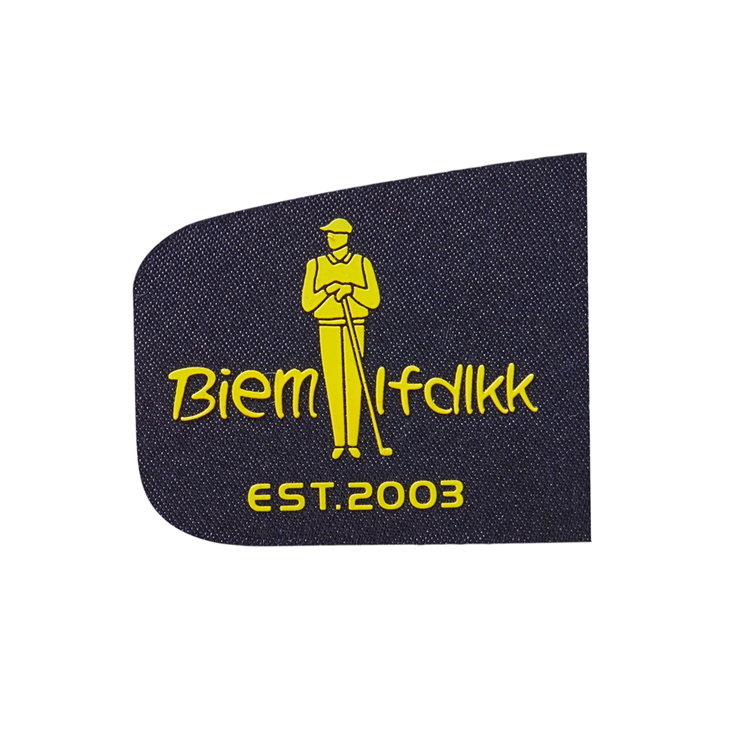
Embroidered patches are the most popular choice for everyday use, thanks to their classic look and versatility. They work well with almost any backpack material, from nylon to canvas, and come in endless designs. Woven patches are a great alternative if you want a sleeker, more detailed look—perfect for brand logos or small text that needs to be legible.
PVC and rubber patches are ideal for outdoor enthusiasts, as they’re waterproof and can withstand rough use. They’re often used on tactical backpacks or hiking gear, where durability is key. Leather patches add a touch of elegance, making them a great match for leather or canvas backpacks that have a more sophisticated style.
Printed patches are the most affordable option, making them perfect for custom designs or temporary style changes. Chenille patches, meanwhile, are all about nostalgia—great for showing off school spirit or sports team pride.
3. Types of Backpack Patches by Attachment Method
Once you’ve chosen a patch material, you need to decide how to attach it to your backpack. The attachment method affects how secure the patch is, how easy it is to remove, and whether it will damage your bag. Below are the most common attachment methods, with a comparison table to help you choose.
|
Attachment Method
|
How It Works
|
Pros
|
Cons
|
Best For
|
|---|---|---|---|---|
|
Sew-On Patches
|
Stitched onto the backpack with thread, using a needle or sewing machine
|
Most secure, permanent, no damage to backpack (if done correctly), works with all patch materials
|
Time-consuming, requires basic sewing skills, hard to remove without leaving holes
|
Patches you want to keep long-term, heavy-duty use
|
|
Iron-On Patches
|
Has a heat-activated adhesive backing; ironed onto the backpack to bond
|
Easy to apply, no sewing required, semi-permanent, affordable
|
May peel off with washing or rough use, can damage delicate backpack materials (e.g., leather)
|
Temporary to semi-permanent use, casual backpacks (canvas, cotton)
|
|
Velcro Patches
|
Consists of two parts: a hook side (on the patch) and a loop side (sewn/glued to the backpack)
|
Reusable, easy to remove and replace, secure when attached, great for swapping patches
|
Requires attaching the loop side to the backpack (sewing/gluing), Velcro can wear out over time
|
Tactical gear, military patches, people who like to swap patches often
|
|
Self-Adhesive/Peel-and-Stick Patches
|
Has a sticky adhesive backing; peeled off and stuck directly to the backpack
|
Extremely easy to apply, no tools required, temporary
|
Least secure, adhesive fades over time, may leave residue when removed
|
Temporary style updates, kids’ backpacks, patches you don’t want long-term
|
|
Clip-On/Pin-On Patches
|
Has a pin or clip on the back; attached by clipping/pinning to the backpack’s fabric or straps
|
No damage to the backpack, easy to remove and reposition, reusable
|
Less secure (can fall off), pin may poke through thin fabric, not ideal for rough use
|
Delicate backpacks, temporary use, collecting patches
|

Sew-on patches are the most reliable option if you want your patch to stay put long-term. They’re perfect for patches that have sentimental value or that you plan to keep on your backpack for years. While they require some sewing skills, even beginners can learn to sew a basic patch with a needle and thread.
Iron-on patches are a great choice for those who don’t want to sew. They’re easy to apply—just heat the patch with an iron, and it bonds to the backpack. However, they’re not as secure as sew-on patches, and they can peel off if the backpack is washed frequently or used roughly.
Velcro patches are ideal for people who love to switch up their style. You can attach the loop side to your backpack once, then swap out different Velcro patches whenever you want. This is especially popular with military and tactical gear, where patches often signify rank or unit.
Self-adhesive patches are the easiest to apply, but they’re also the least durable. They’re great for temporary use—like adding a fun patch for a trip or event—but they won’t last long with regular use. Clip-on patches are perfect for delicate backpacks, as they don’t damage the fabric, but they can fall off if you’re active.
4. Types of Backpack Patches by Style & Use
Backpack patches come in a wide range of styles, each designed for a specific purpose or interest. Whether you want to show off your personality, represent a group, or add a functional touch, there’s a style for you. Below is a breakdown of the most common styles, along with examples and use cases.
|
Style Type
|
Description
|
Examples
|
Best For
|
|---|---|---|---|
|
Tactical & Military Patches
|
Durable, functional patches often used by military personnel, law enforcement, or tactical enthusiasts
|
Unit patches, rank patches, morale patches (funny or motivational designs), American flag patches
|
Tactical backpacks, hiking gear, military veterans, outdoor enthusiasts
|
|
Flag & National Patches
|
Patches featuring national flags, state flags, or regional symbols
|
American flag, Canadian flag, state flags (e.g., Texas, California), country emblems
|
Patriots, travelers, people who want to represent their country/state
|
|
Cartoon & Creative Patches
|
Fun, playful patches featuring cartoon characters, memes, or creative designs
|
Disney characters, Marvel/DC superheroes, meme designs, cute animals
|
Kids, teens, anyone who wants to add a fun, casual touch to their backpack
|
|
Brand & Logo Patches
|
Patches featuring logos of popular brands, outdoor companies, or designer labels
|
The North Face, Patagonia, Nike, Adidas, luxury brand logos
|
Brand enthusiasts, people who want to show off their favorite brands
|
|
Sports & Team Patches
|
Patches representing sports teams, leagues, or athletic achievements
|
NFL, NBA, MLB team logos, college sports patches, Olympic patches
|
Sports fans, athletes, students (college/high school sports)
|
|
Custom Personalized Patches
|
Patches made to order with custom text, images, or designs
|
Name patches, family photos, custom quotes, personal logos
|
Anyone who wants a unique patch that reflects their personality or story
|
|
Vintage & Retro Patches
|
Patches with a retro design, inspired by past decades (60s, 70s, 80s)
|
Vintage band patches, retro movie logos, old-school brand designs
|
People who love retro style, collectors, music fans
|
Tactical and military patches are all about durability and function. They’re often made from PVC or embroidered materials, with Velcro attachment for easy swapping. Morale patches, a subset of tactical patches, are designed to boost mood—they often feature funny quotes, pop culture references, or motivational messages.
Flag and national patches are a great way to show pride in your country or state. They’re often embroidered or woven for durability, and they come in a variety of sizes—from small patches for the backpack strap to large patches for the front of the bag.
Cartoon and creative patches are perfect for adding a fun, lighthearted touch to your backpack. They’re popular with kids and teens, but adults can also enjoy them—think a favorite childhood cartoon character or a silly meme that makes you smile.
Brand and logo patches are a way to show off your favorite brands. Outdoor brands like Patagonia and The North Face often have patches that complement their backpacks, while luxury brands use patches to add a touch of elegance.
Sports and team patches are a must-have for sports fans. Whether you’re a die-hard NFL fan or a college sports enthusiast, a team patch lets you show your support wherever you go. They’re often embroidered or woven, with bold colors that stand out.
Custom personalized patches are the most unique option. You can create a patch with your name, a photo of your pet, a favorite quote, or even a custom design. They’re perfect for gifts, or for anyone who wants a patch that no one else has.
Vintage and retro patches are popular with collectors and people who love retro style. They often feature designs from past decades, like old band logos, retro movie posters, or classic brand designs. Many vintage patches are rare, making them a great addition to any collection.
5. Tips for Choosing the Right Backpack Patch
With so many types of backpack patches available, it can be hard to choose the right one. Here are a few tips to help you make the best decision:
First, consider your backpack’s material. Some patches work better with certain materials—for example, iron-on patches can damage leather backpacks, so stick to sew-on or Velcro patches for leather bags. Canvas and nylon backpacks work well with almost any patch type.
Second, think about how long you want the patch to stay on your backpack. If you want a permanent patch, go with sew-on. If you want to swap patches often, Velcro or clip-on patches are best. For temporary use, self-adhesive or iron-on patches work well.
Third, consider your style. Do you want a fun, casual patch, or something more sophisticated? Are you looking to show off a hobby, a brand, or your personality? Choose a style that reflects who you are.
Finally, check the size. Make sure the patch fits well on your backpack—too small, and it might not be visible; too large, and it might overwhelm the bag. Most patches range from 2 to 4 inches, which is a good size for most backpacks.
6. How to Care for Your Backpack Patches
To keep your patches looking their best, it’s important to care for them properly. Here are a few care tips:
For embroidered, woven, and printed patches: Wash your backpack in cold water on a gentle cycle. Avoid using bleach or harsh detergents, as they can fade the colors. Hang dry your backpack instead of putting it in the dryer, as high heat can damage the patch.
For PVC/rubber patches: Wipe them clean with a damp cloth. Avoid using harsh cleaners, as they can damage the material. Don’t expose PVC patches to high heat (e.g., leaving your backpack in a hot car), as they can melt or warp.
For leather patches: Clean them with a leather cleaner or conditioner. Avoid getting them wet, as water can damage the leather. If your leather patch gets wet, pat it dry with a soft cloth and let it air dry.
For Velcro patches: Keep the Velcro clean by brushing off any dust or debris. If the Velcro starts to lose its stickiness, you can gently clean it with a toothbrush to remove any buildup.
7. Conclusion
Backpack patches are a simple, affordable way to personalize your gear, show off your personality, and add a unique touch to your daily carry. Whether you prefer embroidered patches for a classic look, PVC patches for durability, or custom patches for a one-of-a-kind design, there’s a patch out there for everyone.
By understanding the different types of patches—organized by material, attachment method, and style—you can choose the perfect patch for your backpack. Remember to consider your backpack’s material, how long you want the patch to stay, and your personal style when making your choice.
With the right patch, your backpack can go from ordinary to extraordinary. So go ahead—pick a patch that speaks to you, attach it to your bag, and show off your unique style wherever you go!
Exploring the Different Types of Big Fabric Badges
Exploring the World of Jacket Emblems: A Complete Guide to Types, Uses, and More




SEND MESSAGE