

Choose the Right Patch Shape: Custom Patch Shapes Make Your Apparel Stand Out
2026-01-13
I. Introduction
Patches have long been integrated into various scenarios, ranging from brand uniforms and fashion apparel to event souvenirs and cultural emblems. They serve not only as decorative accents but also as carriers of brand identities, thematic concepts, and cultural connotations. The shape of a patch is the first visual cue that catches the eye, laying the foundation for the audience’s initial impression and subsequent understanding of the design.
In an era where design homogenization is increasingly prevalent, custom patch shapes have emerged as a powerful tool to break through conventions and enhance the uniqueness of a design. Unlike standard, one-size-fits-all patch shapes, custom shapes are tailored to specific design needs, enabling designers to translate abstract concepts into tangible visual forms. Whether it is a brand striving to distinguish itself in a competitive market or an individual seeking to express personal style, custom patch shapes offer unparalleled flexibility and expressive power.
By exploring the basic impacts of different patch shapes, the criteria for choosing the right custom shape, and the ways in which custom shapes elevate design performance, we aim to provide actionable insights for designers and brands looking to leverage patch shapes to enhance their design appeal.
II. The Foundation: Understanding Patch Shapes and Their Basic Impacts
A. Common Standard Patch Shapes and Their Emotional/Visual Connotations
Standard patch shapes have evolved over time and become widely accepted due to their inherent visual and emotional connotations, which resonate with universal human perceptions. Circular patches, for instance, are associated with a sense of wholeness, harmony, and approachability. This is because the circle has no sharp edges, creating a soft and inclusive visual experience. Many non-profit organizations and community groups adopt circular patches for their logos and emblems, as the shape helps convey a message of unity and care. For example, the World Wildlife Fund (WWF) uses a circular logo featuring a panda, and extending this circular shape to patches reinforces the organization’s mission of fostering global harmony with nature.
Square and rectangular patches, on the other hand, exude stability, formality, and clarity. The straight lines and right angles of these shapes create a sense of structure and order, making them ideal for formal settings such as corporate uniforms, military insignias, and academic certificates. A law firm, for instance, might use a rectangular patch on its employees’ blazers to emphasize professionalism and reliability. These shapes also facilitate the display of text and detailed graphics, ensuring that information is presented in a clear and organized manner.
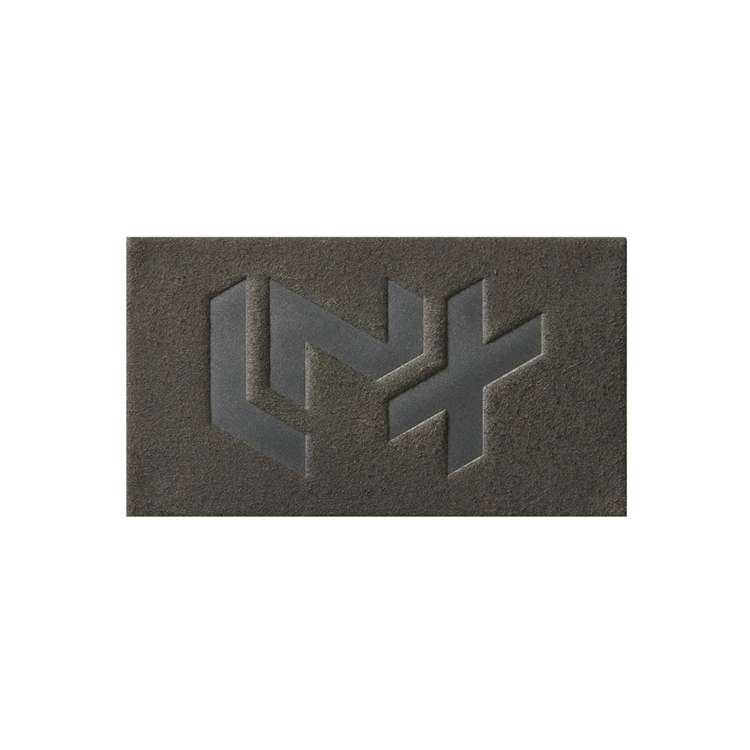
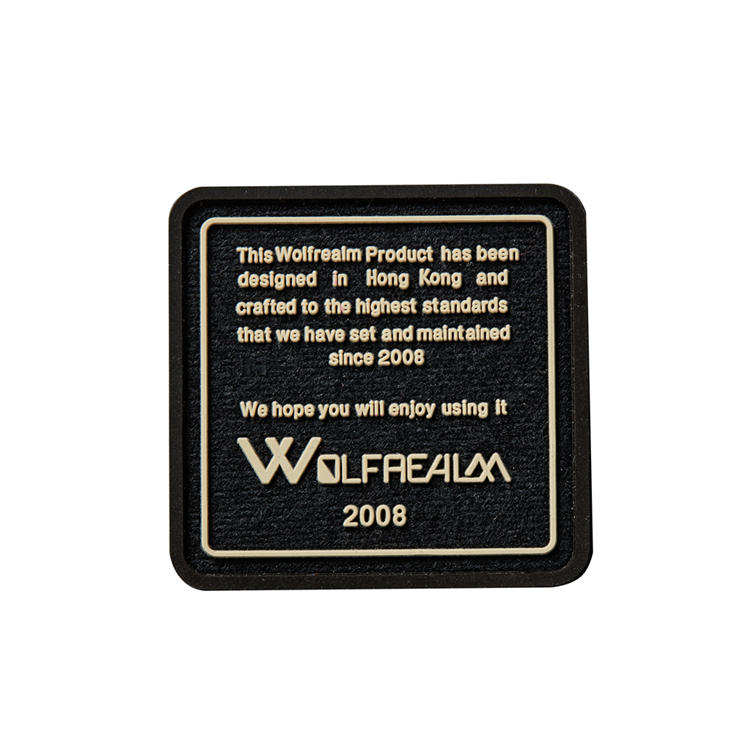
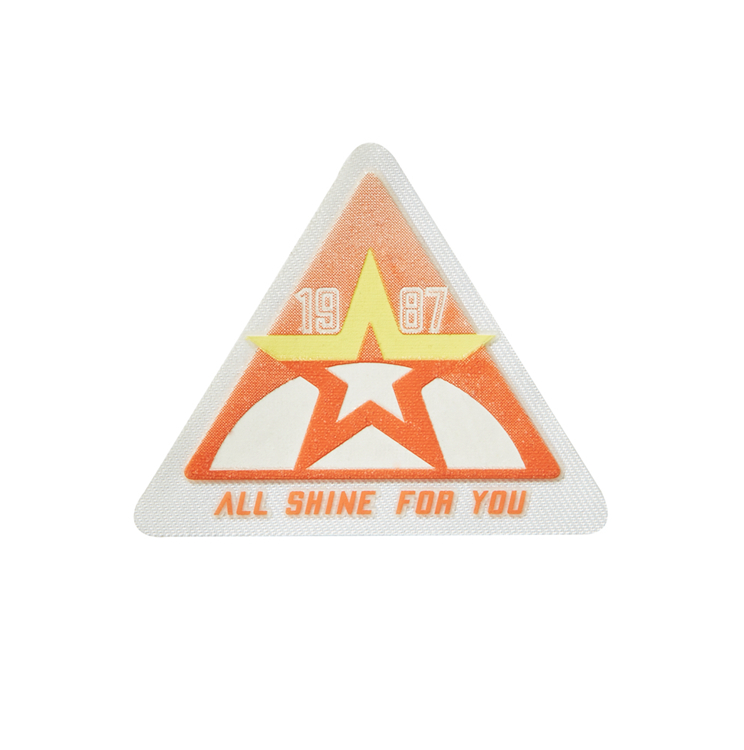
Triangular patches are known for their dynamism, sharpness, and uniqueness. The pointed edges and angular structure of triangles create a sense of movement and energy, making them popular in designs related to sports, adventure, and youth culture. Extreme sports brands, such as Red Bull, often incorporate triangular elements into their patches to reflect the excitement and boldness of their products. Additionally, triangular patches can be used to draw attention to specific information, as their irregular shape stands out among more common circular and square designs.
Oval patches combine the softness of circles with the elongation of rectangles, conveying a sense of softness, fluidity, and elegance. This shape is frequently used in designs targeting female audiences, luxury brands, and vintage-themed products. For example, a high-end perfume brand might use an oval patch on its packaging or promotional apparel to enhance the product’s sophisticated and timeless appeal. Oval patches also adapt well to curved surfaces, such as the collars of shirts or the sides of hats, making them a versatile choice for various applications.
B. Limitations of Standard Shapes in Creative Design
Despite their widespread use and inherent advantages, standard patch shapes have significant limitations in creative design, particularly in an environment where differentiation is crucial. One of the primary drawbacks is the lack of differentiation in mass applications. Since circular, square, and oval patches are readily available and easy to produce, they are used by countless brands and designers, leading to a homogenized visual landscape. A consumer walking through a shopping mall might encounter dozens of products with square patches on their sleeves or circular patches on their bags, making it difficult for any single design to leave a lasting impression.
Another limitation is the difficulty in matching specific design themes or brand personalities. Standard shapes have fixed connotations that may not align with the unique message a design intends to convey. For example, a brand that specializes in avant-garde, experimental fashion might find that a traditional square or circular patch fails to capture its innovative spirit. Similarly, a design for a fantasy-themed event, such as a cosplay convention, would struggle to convey its magical and imaginative theme using standard geometric shapes. In such cases, standard patches become a constraint rather than an asset, limiting the designer’s ability to fully express their creative vision.
III. Key Step 1: How to Choose the Right Patch Shape
A. Align with the Core Theme/Brand Identity
The first and most crucial step in choosing the right patch shape is to align it with the core theme of the design or the identity of the brand. Every design has a core message it aims to communicate, whether it is the spirit of adventure, the charm of vintage, or the values of a corporation. The patch shape should serve as a visual extension of this message, reinforcing it rather than distracting from it. To achieve this, designers must first conduct a thorough analysis of the design’s core message. For example, if the design is for an outdoor adventure company that emphasizes exploration and freedom, the patch shape could be inspired by natural elements such as mountains, rivers, or compasses. These shapes directly evoke the theme of adventure, making the design more coherent and impactful.
In addition to aligning with the core theme, the patch shape should also match the brand’s visual elements, such as its logo shape, color system, and overall design language. A brand’s logo is often the most recognizable visual symbol of its identity, and incorporating elements of the logo into the patch shape can enhance brand consistency and recognition. For instance, if a brand’s logo is a stylized bird, the patch could be shaped like the bird, creating a strong visual link between the patch and the brand. Similarly, if a brand uses a specific geometric pattern in its packaging and marketing materials, the patch shape could be derived from that pattern, ensuring a unified brand image across all touchpoints.
B. Consider the Application Scenario
The application scenario of the patch is another critical factor to consider when choosing its shape. Patches are applied to a wide range of items, including clothing, accessories, and event souvenirs, and each application scenario has unique requirements that the patch shape must accommodate. For clothing applications, such as jackets, hats, and uniforms, the shape must be adaptable to the fabric and the wearing position. For example, patches placed on the shoulders of a jacket should have a shape that fits the curve of the shoulder, avoiding sharp edges that might dig into the wearer’s skin or cause the fabric to bunch up. Knitted fabrics, which are stretchy and soft, are better suited for rounded or soft-edged shapes, while rigid fabrics like denim can accommodate more angular and structured shapes.
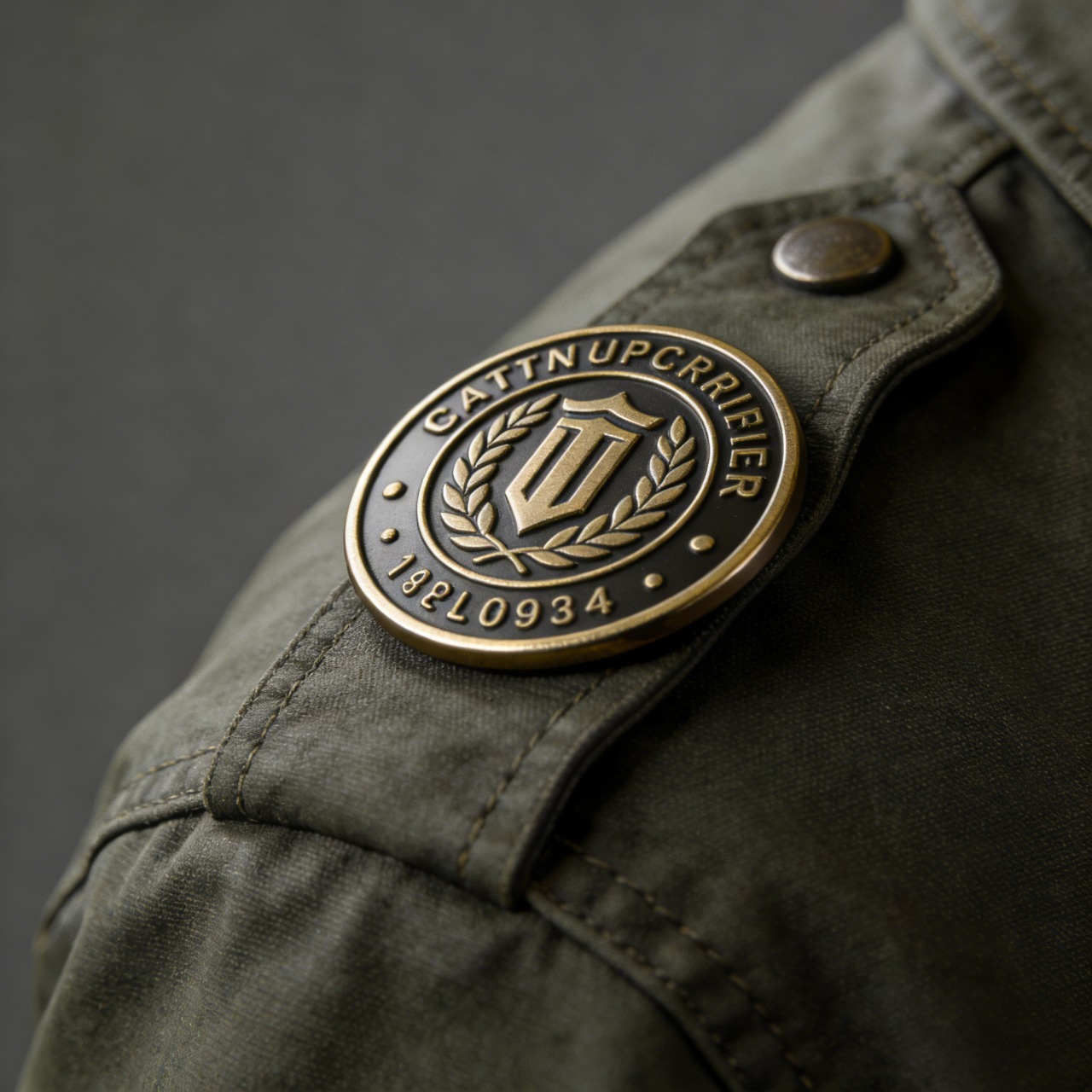
When it comes to accessories, such as bags, badges, and toys, the patch shape must coordinate with the accessory’s structure and size. A small keychain, for instance, would require a compact patch shape that does not overwhelm the accessory, while a large tote bag could accommodate a more elaborate and oversized custom shape. For event souvenirs, such as patches distributed at music festivals or marathons, the shape should be relevant to the event theme. A marathon souvenir patch could be shaped like a running shoe or a finish line tape, while a music festival patch could be shaped like a guitar or a vinyl record. This relevance not only enhances the souvenir’s value but also helps attendees remember the event more vividly.
C. Understand the Target Audience
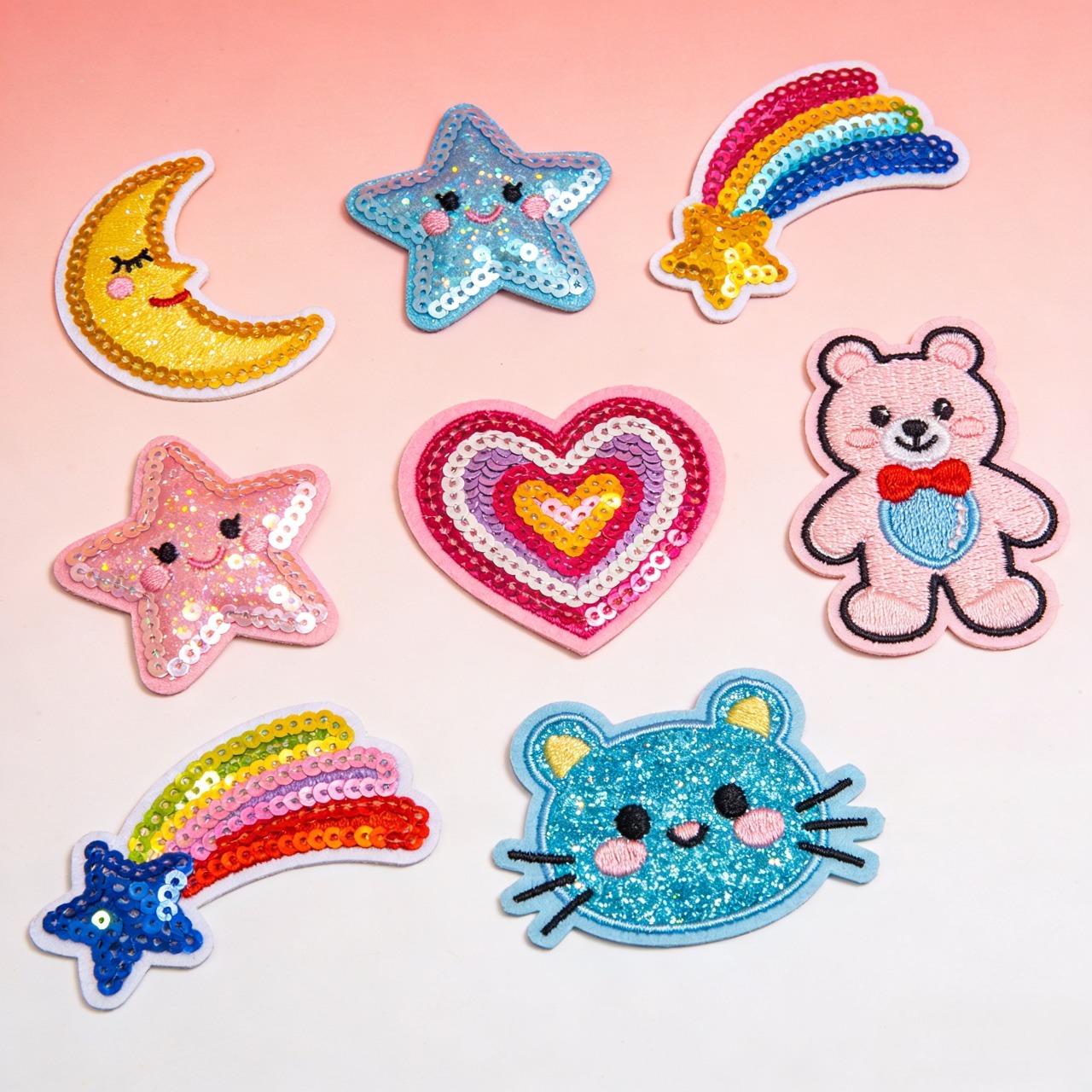
The target audience of the design plays a significant role in determining the appropriate patch shape, as different groups of people have distinct aesthetic preferences and emotional responses to shapes. Designers must gain a deep understanding of the target audience’s demographics, interests, and values to choose a shape that resonates with them. Younger groups, such as teenagers and young adults, tend to prefer creative, personalized, and playful shapes. They are drawn to unique and unconventional designs that allow them to express their individuality. For this audience, custom shapes inspired by pop culture, cartoon characters, or abstract art would be more effective. For example, a brand targeting Gen Z might use a patch shaped like a popular anime character or a trendy slang term, appealing to their interests and sense of identity.
In contrast, formal occasions and business groups require patches that convey professionalism, reliability, and elegance. These audiences prefer concise, standardized, and refined shapes that reflect their serious and sophisticated nature. Square, rectangular, or oval patches with clean lines and minimal decoration are ideal for this purpose. A financial institution, for example, would use a simple rectangular patch on its employees’ uniforms to convey trust and stability. By understanding the target audience’s preferences, designers can choose a patch shape that not only attracts attention but also builds a connection with the audience.
D. Balance Aesthetics and Practicality
While aesthetics are important, the practicality of the patch shape cannot be overlooked. A visually stunning shape that is difficult to produce, prone to damage, or excessively expensive will not be a viable choice in the long run. Designers must strike a balance between aesthetics and practicality, ensuring that the chosen shape is both visually appealing and functional. In terms of aesthetics, the shape should be visually harmonious with the overall design, contributing to its uniqueness and artistic expression. It should draw the eye without clashing with other design elements, such as colors, patterns, and text.
Practicality, on the other hand, involves considering production feasibility, durability, and cost control. Complex custom shapes with intricate details may be challenging to produce using traditional patch-making techniques, such as embroidery or screen printing. Designers should work closely with manufacturers to ensure that the shape can be produced accurately and efficiently. Durability is another important factor, especially for patches that will be used on items that are frequently worn or handled. Shapes with sharp edges or delicate details may be more prone to fraying or damage, so rounding edges or simplifying complex details can enhance durability. Finally, cost control is essential for commercial designs. More complex shapes often require more materials and labor, increasing production costs. Designers must weigh the aesthetic benefits of a custom shape against its production costs to ensure that it fits within the project’s budget.
IV. Key Step 2: How Custom Patch Shapes Make Designs Stand Out
A. Enhance Brand/Design Recognition
One of the most significant ways custom patch shapes make designs stand out is by enhancing brand or design recognition. In a crowded market, brands need unique visual cues to distinguish themselves from competitors, and custom patch shapes provide an effective means of achieving this. By creating a custom shape that is associated with the brand’s logo or unique symbols, such as brand-specific graphics or mascots, designers can create an exclusive visual memory point for the audience. This memory point helps the audience recognize and remember the brand more easily, even in a cluttered visual environment.
For example, Nike’s iconic “swoosh” logo is a simple yet distinctive shape that is instantly recognizable. By incorporating this swoosh shape into custom patches on its apparel and accessories, Nike reinforces its brand identity and makes its products stand out from those of other sportswear brands. Similarly, Disney uses custom patches shaped like its popular characters, such as Mickey Mouse and Elsa, on its merchandise. These shapes are unique to Disney and immediately evoke the brand’s magical and whimsical identity, making the products highly recognizable to fans of all ages. Custom patch shapes thus become a powerful tool for building brand equity and increasing brand loyalty.
B. Strengthen Theme Expression
Custom patch shapes also play a crucial role in strengthening the expression of the design’s theme. Unlike standard shapes, which have fixed and general connotations, custom shapes can be tailored to directly reflect the specific theme of the design, conveying deeper cultural or emotional connotations through shape language. For example, an outdoor sports design that focuses on mountain climbing could use a custom patch shaped like a mountain peak. This shape not only visually represents the sport but also conveys the sense of challenge, adventure, and achievement associated with mountain climbing. Similarly, a music-themed design could use a patch shaped like a musical note or a vinyl record, directly linking the patch to the theme and evoking the emotions and memories associated with music.
In addition to direct theme representation, custom shapes can also convey cultural connotations. For example, a design inspired by Chinese traditional culture could use a patch shaped like a lotus flower, which symbolizes purity and prosperity in Chinese culture. This shape not only enhances the thematic coherence of the design but also adds cultural depth, making the design more meaningful and resonant to audiences familiar with the culture. By using custom shapes to strengthen theme expression, designers can create designs that are not only visually appealing but also emotionally and culturally impactful.
C. Increase Visual Attractiveness
Custom patch shapes have a natural advantage in increasing the visual attractiveness of a design by breaking the monotony of standard shapes. Standard shapes are so common that they often blend into the background, failing to capture the audience’s attention. Custom shapes, on the other hand, are unique and unexpected, bringing a sense of freshness and novelty to the design. This novelty makes the design more interesting and engaging, encouraging the audience to take a closer look.
Irregular or combined custom shapes are particularly effective in creating visual focus. For example, a patch that combines a triangle and a circle, or a shape that mimics the outline of a tree or a wave, is more visually striking than a simple square or circle. These shapes create a dynamic visual rhythm that draws the eye and holds the audience’s attention. Additionally, custom shapes can be designed to interact with other design elements, such as text or patterns, creating a more integrated and cohesive visual experience. For example, a custom patch shaped like a speech bubble can enclose text, making the text more prominent and adding a playful element to the design. By increasing visual attractiveness, custom patch shapes make the design more memorable and impactful.
D. Highlight Personalization and Exclusivity
In an era where personalization is highly valued, custom patch shapes allow designers to meet individual or brand-specific customization needs, highlighting the uniqueness and exclusivity of the design. Unlike standard shapes, which are available to anyone, custom shapes are tailored to the specific requirements of a design or brand, ensuring that no other design has the same shape. This exclusivity makes the design more valuable and desirable, as it gives the audience a sense of ownership and individuality.
For individual consumers, custom patch shapes allow them to express their personal style and preferences. For example, someone might commission a custom patch shaped like their pet’s silhouette or a symbol that has personal meaning to them, attaching it to their jacket or bag as a form of self-expression. For brands, custom patch shapes help them create limited-edition or exclusive products that appeal to collectors and loyal customers. For example, a luxury fashion brand might release a limited collection of jackets with custom patches shaped like the brand’s signature motif, making the jackets more exclusive and desirable. By highlighting personalization and exclusivity, custom patch shapes enhance the sense of value and uniqueness of the design work.
|
Advantage Category
|
Core Function
|
Typical Examples
|
|
A. Enhance Brand/Design Recognition
|
Create exclusive visual memory points; distinguish brands; build equity & loyalty
|
Nike swoosh patches; Disney character patches (Mickey, Elsa)
|
|
B. Strengthen Theme Expression
|
Convey thematic/cultural/emotional connotations; boost coherence
|
Mountain peak (climbing); Musical note/vinyl (music); Lotus (Chinese traditional culture)
|
|
C. Increase Visual Attractiveness
|
Break monotony; bring novelty; create visual focus; integrate with other elements
|
Combined/nature shapes (triangle+circle, tree); Speech bubble (enclose text)
|
|
D. Highlight Personalization and Exclusivity
|
Meet customization needs; enhance uniqueness & product value
|
Pet silhouette (personal); Luxury signature motif (limited-edition)
|
V. Case Studies: Successful Applications of Custom Patch Shapes
A. Brand Clothing Custom Patches: Supreme’s Graffiti-Shaped Patches
Supreme, a renowned streetwear brand, is a prime example of how custom patch shapes can enhance brand identity and appeal to the target audience. The brand is known for its avant-garde, rebellious style, which resonates with young people who value individuality and street culture. To reinforce this brand positioning, Supreme uses custom graffiti-shaped patches on many of its products, including jackets, hoodies, and jeans. The graffiti shape is irregular, dynamic, and full of energy, perfectly reflecting the brand’s streetwear aesthetic.
The analysis of this case shows that the custom graffiti shape is closely aligned with Supreme’s brand identity. Street culture is rooted in self-expression and rebellion, and graffiti is a quintessential element of this culture. By using graffiti-shaped patches, Supreme not only differentiates itself from other sportswear and fashion brands but also connects with its target audience on a cultural level. The unique shape of the patches makes Supreme’s products instantly recognizable, even from a distance, enhancing brand recognition and loyalty. Additionally, the graffiti shape is visually striking, increasing the visual attractiveness of the products and making them stand out in a crowded market.
B. Event Souvenir Patches: Coachella’s Musical Instrument-Shaped Patches
Coachella, one of the world’s most famous music festivals, uses custom musical instrument-shaped patches as souvenirs for attendees. The patches are shaped like guitars, drums, and microphones, directly reflecting the festival’s music theme. Attendees often attach these patches to their clothing, bags, or hats, turning them into a form of memorabilia that commemorates their experience at the festival.
The success of these patches lies in their strong relevance to the event theme. Music is the core of Coachella, and the musical instrument shapes immediately evoke the festival’s atmosphere of music, fun, and celebration. The custom shape makes the souvenirs more unique and meaningful than standard souvenir patches, increasing their appeal to attendees. Furthermore, the patches serve as a form of word-of-mouth marketing, as attendees who wear them in daily life inadvertently promote the festival to others. The custom shape thus plays a dual role in strengthening event theme memory and promoting the festival.
C. Corporate Culture Patches: Google’s Circuit Board-Shaped Patches
Google, a leading technology company, uses custom circuit board-shaped patches on its employee uniforms and office merchandise. The circuit board shape is a direct reference to the company’s technological core, reflecting its focus on innovation, engineering, and digital technology. The patches are often designed with intricate details that mimic the lines and components of a real circuit board, adding a sense of sophistication and technical expertise.
This case demonstrates how custom patch shapes can effectively convey corporate culture. Google’s corporate culture is centered around innovation, creativity, and technological advancement, and the circuit board-shaped patches visually communicate these values. The patches help employees identify with the company’s mission and foster a sense of pride in their work. Additionally, the unique shape makes the patches stand out, enhancing the visibility of Google’s corporate culture to external stakeholders, such as clients and visitors. By using a custom shape that aligns with its core business, Google strengthens its corporate identity and reinforces its position as a leader in the technology industry.
VI. Conclusion
In conclusion, choosing the right patch shape is a critical decision that significantly impacts the success of a design, and custom patch shapes offer a powerful way to make designs stand out. This article has explored the foundation of patch shapes, including the connotations of standard shapes and their limitations, as well as the key steps in choosing the right custom patch shape—aligning with the core theme/brand identity, considering the application scenario, understanding the target audience, and balancing aesthetics and practicality. It has also highlighted the ways in which custom patch shapes enhance brand/design recognition, strengthen theme expression, increase visual attractiveness, and highlight personalization and exclusivity, supported by real-world case studies.
The key takeaway is that custom patch shapes are not merely decorative elements but strategic tools that can elevate the overall impact of a design. Designers and brands should integrate custom patch shape design into their overall design strategy, considering it from the early stages of the design process rather than as an afterthought. By doing so, they can maximize the design’s highlights and create a unique and memorable visual experience for the audience.
Looking to the future, the development of custom patch shapes in design is likely to become more diversified, intelligent, and personalized. Advances in production technologies, such as 3D printing and digital embroidery, will enable the creation of more complex and intricate custom shapes, expanding the possibilities of patch design. Additionally, as consumers continue to value personalization, there will be an increasing demand for custom patches that are tailored to individual preferences and needs. By embracing these trends, designers and brands can stay ahead of the curve and continue to create designs that stand out in a competitive market.
Crafting Coat Patches That Elevate Brand Appeal: Insights from an Apparel Label Manufacturer
Woven Label Texture for Apparel Logo: Design, Production and Application




SEND MESSAGE