Transform Your T-Shirt Shop with Custom Patches and Emblems
Enhance your wardrobe with our exclusive shirt patches. Shop now to find unique designs that add a personal touch to your clothing collection.
Custom patches and emblems are more than just accessories—they’re powerful tools for personalization, branding, and storytelling. By incorporating these versatile embellishments into your t-shirt shop offerings, you give customers the opportunity to express their personalities, celebrate affiliations, or promote their brands. Below, we’ll explore the history of patches, top types available, how to choose the right supplier, and effective application methods.
The Rich History of Patches and Emblems
Embroidered patches date back to ancient China in the 3rd century BC, where they were originally used for decorative purposes. Over centuries, their roles expanded:
- Middle Ages : Denoted social status and religious affiliations.
- 1800s : Became patriotic symbols supporting military efforts.
- Modern Era : Evolved into promotional tools for businesses and self-expression platforms for individuals.
Today’s resurgence is fueled by the DIY movement and a renewed appreciation for vintage fashion. Whether identifying employees, showcasing team spirit, or elevating brand visibility, custom patches add professional flair while increasing recognition by up to 57%.
For instance, Harley-Davidson’s crest and Starbucks’ mermaid emblem exemplify the impact of well-designed logos. These custom emblems serve as timeless representations of identity and values.
Top Types of Patches and Emblems: A Quick Rundown
1. Embroidered Patches
- Characteristics : High-contrast, multicolor designs stitched onto durable fabric.
- Uses : Ideal for logos, names, and detailed artwork requiring vibrancy and longevity.
- Application : Sewn on for maximum durability or ironed on for convenience.
Example: A sports team might use embroidered patches to display player numbers or achievements, ensuring long-lasting quality through repeated washes.
2. Heat-Pressed Patches
- Characteristics : Easy-to-apply adhesive backing activated by heat.
- Uses : Perfect for quick updates, temporary placements, or lightweight fabrics like cotton, canvas, or denim.
- Advantages : Cost-effective and efficient, though less durable compared to sew-on options.
Example: Fashion-forward brands could incorporate heat-pressed patches into trendy streetwear collections, allowing customers to personalize garments effortlessly.
3. Woven Poven Patches
- Characteristics : Fine detail achieved through jacquard weaving, ideal for small text or intricate patterns.
- Uses : Suitable for precise designs such as company mottos, historical references, or delicate insignias.
- Application : Attached via sewing, ensuring secure placement even on delicate fabrics.
Example: Corporate uniforms might feature woven patches displaying company slogans or mission statements, reinforcing brand identity subtly yet effectively.
4. Custom Emblems
- Characteristics : Unique symbols crafted with specific colors, shapes, and meaningful imagery.
- Uses : Versatile for branding, school/team identification, or military insignia.
- Creation Process : Collaborate with graphic designers to tailor the design to your vision, incorporating text, icons, and distinctive styling.
Example: A firefighter department might commission custom emblems featuring their unit number and badge, fostering unity and pride among members.
How to Choose the Right Supplier
Selecting a reliable supplier is crucial for producing high-quality patches efficiently and within budget. Follow these steps to ensure success:
Step 1: Research Potential Suppliers
- Compile a list of vendors through Google searches or recommendations from online communities like Facebook groups.
- Track key details in a spreadsheet: years of experience, patch types offered, pricing, turnaround times, and customer reviews.
Step 2: Evaluate Patch Quality
- Review online samples, photos, or videos closely.
- Request free or low-cost physical samples to assess texture, color accuracy, and ease of attachment.
- Read testimonials and seek feedback from fellow decorators about specific manufacturers.
Step 3: Compare Pricing and Turnaround Times
- Avoid choosing solely based on price; consider overall value, including delivery fees, setup charges, and sample costs.
- Ensure the vendor provides clear timelines and adheres to deadlines consistently.
Step 4: Understand Minimum Order Quantities
- Confirm whether the supplier requires minimum orders. Flexibility is essential, especially if you cater to clients needing varying quantities.
- For large-scale projects, request bulk discounts while maintaining flexibility for smaller runs.
Tips for Placing an Order
Once you’ve selected a supplier, understanding the ordering process ensures smooth execution:
Request Proofs and Samples
- Always review virtual proofs for spelling, color accuracy, and alignment with your vision.
- Physical samples allow hands-on evaluation before final approval, saving time and resources during mass production.
Plan Deadlines Strategically
- Build in extra time for artwork edits, proof reviews, and unforeseen delays.
- Communicate openly with the vendor about order statuses and expected timelines.
By planning ahead and collaborating closely with suppliers, you streamline the customization process and deliver exceptional results to your customers.
Applying Patches and Emblems: Methods That Work
The method of attaching patches depends on the type of patch and fabric involved. Here’s a breakdown of common techniques:
Heat-Applied
- Best For : Quick applications on heat-tolerant fabrics like cotton or polyester.
- Process : Use an iron or heat press according to manufacturer instructions, ensuring proper adhesion without damaging the garment.
Pro Tip : Always cover the patch with a thin cloth to protect against direct heat exposure.
Velcro
- Best For : Interchangeable designs on tactical gear or frequently updated items.
- Process : Attach Velcro strips to both the patch and garment, enabling easy removal and reattachment.
Pro Tip : Opt for industrial-strength Velcro for heavy-duty applications.
Fabric Glue
- Best For : Lightweight patches on delicate or synthetic fabrics unsuitable for heat.
- Process : Apply fabric glue evenly around the edges, pressing firmly until dry.
Caution : Test glue compatibility with the fabric beforehand to avoid damage.
Hand or Machine Sewing
- Best For : Permanent attachments requiring durability and resilience.
- Process : Securely stitch the patch along its edges using matching or contrasting thread for aesthetic appeal.
Pro Tip : Reinforce corners and edges to prevent fraying over time.
When confronted with the task of producing intricate design drafts of the highest quality, PEPHAWK is here to provide the perfect solution. With over 16 years of industry experience and our esteemed general manager boasting 31 years of expertise in the silicone industry, we are the ultimate choice for tackling your challenging logo design projects. Select PEPHAWK for our unmatched proficiency and rest assured in the impeccable outcomes we consistently deliver.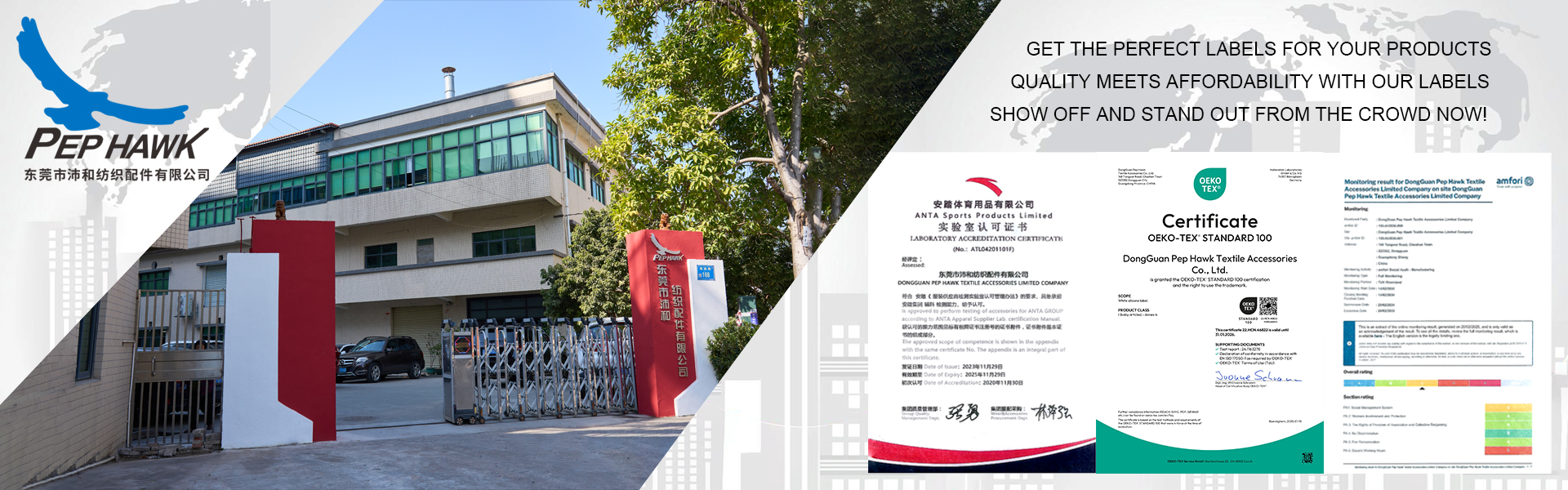
Sew-On Logo Patches: The Perfect Blend of Durability and Style
Hats with Character: Why Custom Patches Are the Perfect Accessory