

Patches of Velcro – Materials & Application Methods
2026-01-09
Table of Contents
A Velcro patch typically consists of two complementary components: the hook side, adorned with tiny, rigid loops that interlock, and the loop side, made of soft, flexible fibers that form the receiving surface.
This simple yet ingenious design has made Velcro patches indispensable in daily life, professional settings, and specialized fields.
I. Common Materials of Velcro Patches & Their Characteristics
The performance, durability, and suitability of a Velcro patch are largely determined by its material composition. Manufacturers select materials based on specific requirements such as strength, resistance to environmental factors (heat, water, corrosion), flexibility, and cost. Below are the four most prevalent materials used in Velcro patch production, along with their key properties, advantages, and limitations.
1. Nylon Velcro Patches
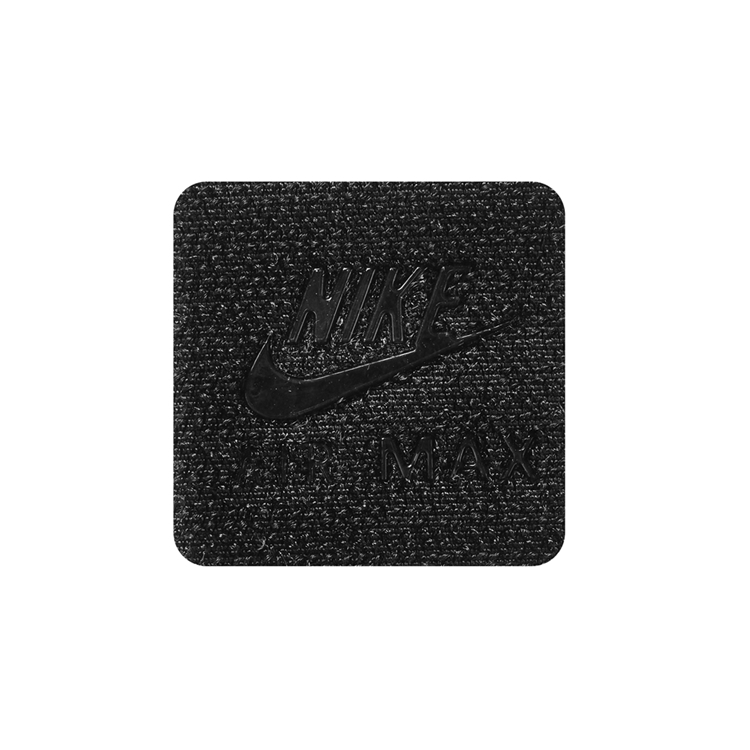
Nylon is the most widely used material for Velcro patches, thanks to its balanced combination of performance and affordability. Nylon Velcro patches are crafted from high-tenacity nylon fibers, which are known for their lightweight nature (typically weighing 150–200 g/m²) and excellent wear resistance. The fibers exhibit good elasticity, allowing the patch to retain its shape even after repeated stretching and compression.
One of the primary advantages of nylon Velcro patches is their strong hook-and-loop grip. The interlocking mechanism between the nylon hooks and loops can withstand a tensile force of 2–3 kg per square centimeter, making them suitable for securing items that require reliable adhesion without excessive weight. Additionally, nylon is inherently water-resistant; it absorbs less than 10% of its weight in water, ensuring that the patch remains functional even in damp environments. This water resistance also makes nylon Velcro patches easy to clean, as they can be machine-washed without significant damage.
However, nylon has a notable limitation: poor high-temperature resistance. Nylon fibers begin to soften at around 150°C and melt at 215–260°C. This means that nylon Velcro patches are not suitable for applications involving prolonged exposure to high temperatures, such as near industrial heaters, in automotive engine bays, or during high-temperature textile processing. Despite this, their versatility and cost-effectiveness make them the top choice for most daily and light-duty applications.
2. Polyester Velcro Patches
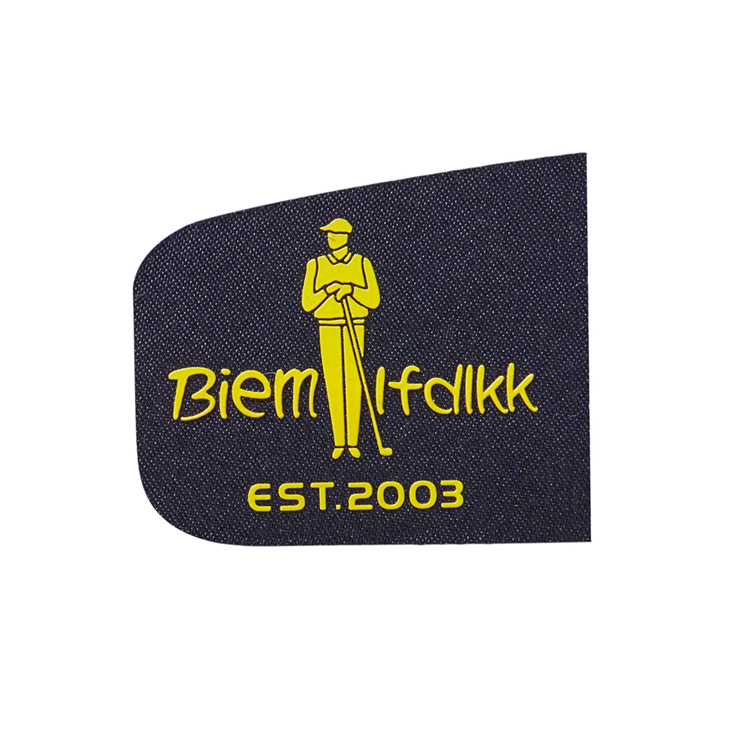
Polyester Velcro patches are manufactured using high-strength polyester fibers, which offer distinct advantages over nylon, particularly in terms of temperature resistance. Polyester fibers have a higher melting point (250–260°C) and can withstand continuous exposure to temperatures up to 180°C, making them ideal for applications that involve heat processing or high-temperature environments.
In addition to heat resistance, polyester Velcro patches boast excellent mechanical strength. They have a tensile strength of 3–4 kg per square centimeter, which is higher than that of nylon, and they are highly resistant to corrosion, shrinkage, and wrinkling. Polyester fibers absorb less than 1% of their weight in water, providing superior water resistance compared to nylon, and they are also resistant to mildew, chemicals, and UV radiation. These properties make polyester Velcro patches suitable for outdoor and industrial applications where durability and resistance to harsh conditions are paramount.
The main disadvantage of polyester Velcro patches is their slightly stiffer texture. The polyester fibers are less flexible than nylon, which can make the patch feel rigid, especially in thin designs. This stiffness may limit their use in applications where a soft, conformable fit is required, such as on lightweight apparel or delicate fabrics. Nevertheless, their superior heat and chemical resistance make them indispensable in specific fields, such as sports equipment manufacturing and industrial labeling.
3. Fiberglass-Reinforced Velcro Patches
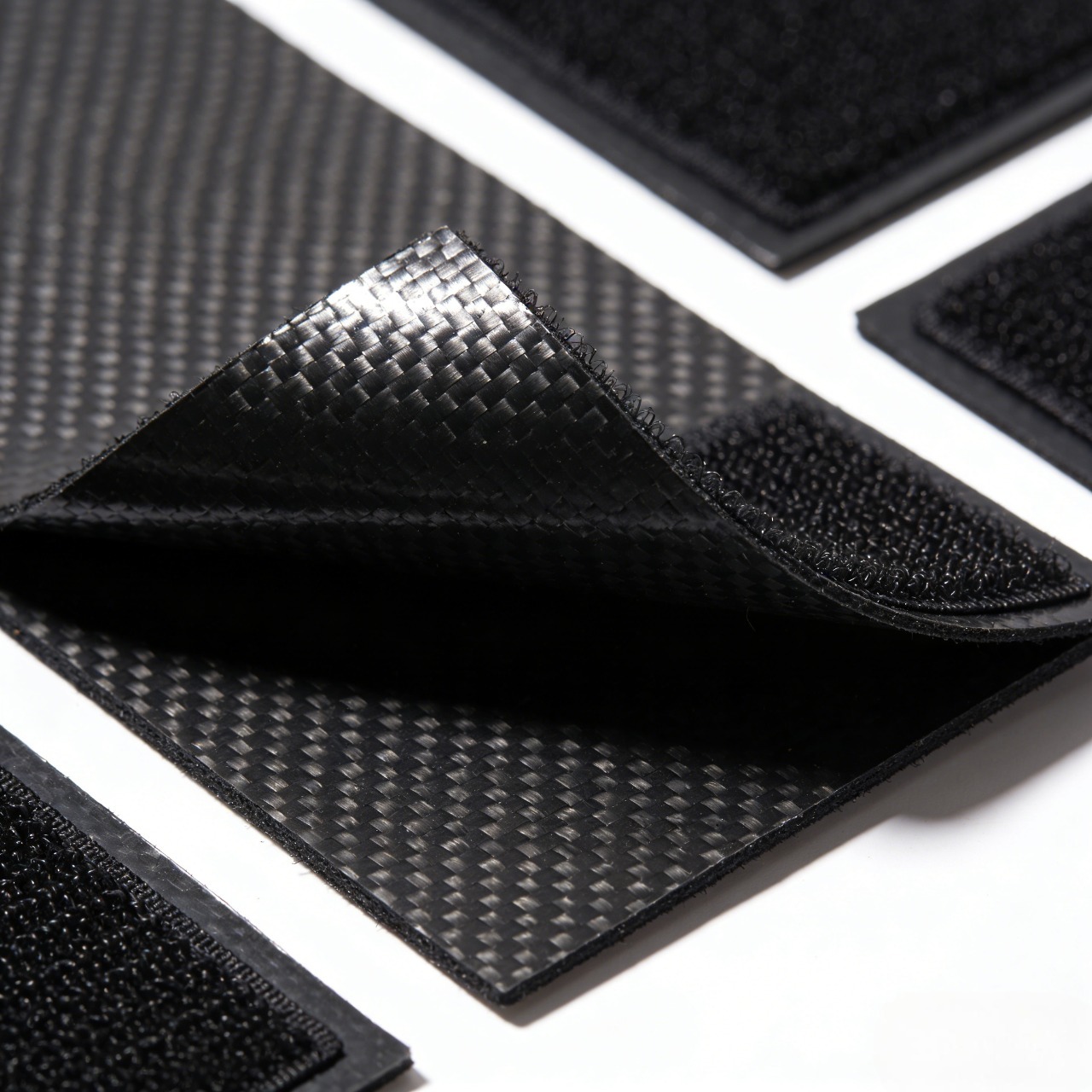
Fiberglass-reinforced Velcro patches are specialized products designed for extreme environments. They are made by incorporating fiberglass fibers into the base material (usually nylon or polyester), resulting in a composite material that combines the hook-and-loop functionality of Velcro with the exceptional strength and heat resistance of fiberglass.
The key properties of fiberglass-reinforced Velcro patches include high-temperature resistance (up to 500°C for short periods and 300°C for continuous use), flame retardancy, and high tensile strength (5–6 kg per square centimeter). The fiberglass fibers also enhance the patch’s resistance to abrasion, chemicals, and UV radiation, making it suitable for use in harsh industrial settings, outdoor extreme conditions, and fire-resistant applications. For example, these patches are commonly used to secure insulation materials on industrial pipelines, attach safety labels to fire-resistant gear, and fasten components in aerospace and automotive engine compartments.
However, fiberglass-reinforced Velcro patches have significant limitations. Their production cost is 3–5 times higher than that of nylon or polyester patches, making them impractical for general consumer use. Additionally, the fiberglass fibers add weight and reduce flexibility, so they are not suitable for lightweight or flexible products. They also require specialized processing techniques during manufacturing, further limiting their widespread adoption.
4. Rubber-Coated Velcro Patches
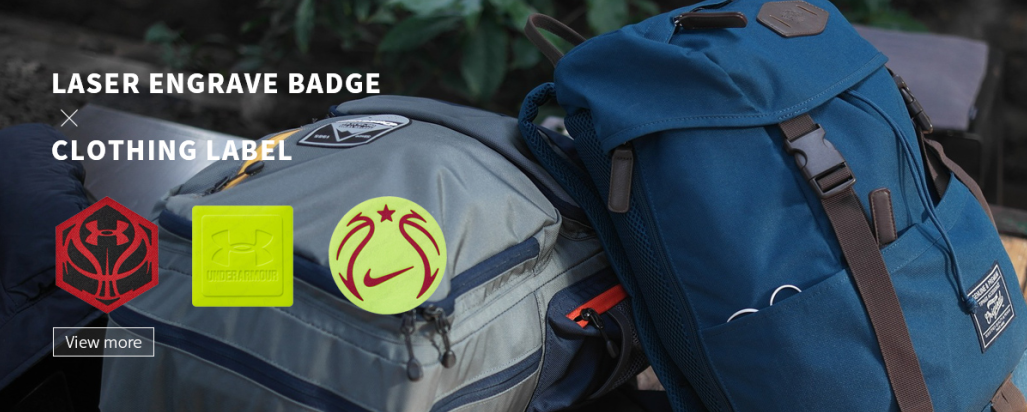
Rubber-coated Velcro patches are crafted by laminating a thin layer of rubber—typically neoprene or silicone—onto a nylon or polyester Velcro base, and they are primarily designed as decorative and functional accents for garments. This specialized coating not only boosts the patch’s resistance to water, dust, and oil, but also lends it a sleek, tactile finish that elevates the aesthetic appeal of clothing items.
The seamless, waterproof rubber barrier shields the patch’s fibers from moisture, dirt, and oil stains, which not only prolongs the patch’s service life and preserves its reliable adhesive strength, but also ensures the decorative patterns or logos on the patch stay crisp and intact even after repeated washes or outdoor wear. In addition to its protective properties, the rubber coating enhances the patch’s resistance to abrasion and mild chemicals, making it a perfect decorative choice for a wide range of apparel, from casual jackets and denim jeans to tactical vests and outdoor gear. For instance, these patches are widely used to affix custom brand logos on streetwear hoodies, display team emblems on sports jackets, or add personalized decorative elements to backpacks and caps that double as fashion accessories.
The main drawbacks of rubber-coated Velcro patches lie in their relatively thick texture and limited flexibility. The rubber layer adds a certain bulk to the patch, which makes it less ideal for decorating lightweight, form-fitting garments like silk blouses or thin knitwear where a low-profile, barely-there look is desired. Moreover, prolonged exposure to direct sunlight or extreme temperatures may cause the rubber coating to fade or degrade over time, compromising both the patch’s decorative appearance and durability. Despite these limitations, their excellent combination of decorative versatility and environmental resistance makes them a go-to choice for garment decoration in both casual and functional apparel sectors.

II. Step-by-Step Application Methods of Velcro Patches
The effectiveness of a Velcro patch depends not only on its material but also on the correct application method. Different application techniques are suitable for different base materials, environments, and usage requirements. Below are the three most common application methods, along with detailed steps, required tools, suitable scenarios, and key notes.
1. Sew-On Application Method
The sew-on method is the most traditional and reliable way to attach Velcro patches, especially for heavy-duty applications where strong, long-lasting adhesion is required. This method involves sewing the patch directly onto the base material, creating a permanent bond that can withstand repeated stress, washing, and exposure to harsh conditions.
Required tools: Needle (preferably a heavy-duty needle for thick materials), thread (polyester or nylon thread is recommended for its strength and durability), scissors, and a sewing machine (optional, for faster and more uniform stitching; hand sewing is suitable for small patches or delicate materials).
Step-by-step process:
-
Prepare the patch and base material: Cut the Velcro patch to the desired size using scissors. Ensure that the base material is clean and dry, free from dust, oil, or debris that may affect the stitching. If the base material is thick or rigid (such as canvas or leather), mark the position of the patch with a pencil or fabric marker to ensure accurate alignment.
-
Align the patch: Place the Velcro patch (either the hook side or the loop side, depending on the application) on the marked position, ensuring that it is straight and centered. For best results, pin the patch to the base material using sewing pins to prevent it from shifting during sewing.
-
Sew the patch: If using a sewing machine, set it to a straight stitch or a zigzag stitch (zigzag is preferred for better edge coverage). Sew along the edges of the patch, maintaining a stitch distance of 3–4 mm from the edge. For hand sewing, use a running stitch or a backstitch, ensuring that the stitches are tight and evenly spaced. Sew around the entire perimeter of the patch, and reinforce the corners with additional stitches to prevent fraying.
-
Finish the stitching: After sewing around the patch, tie a secure knot at the end of the thread and trim any excess thread with scissors.
Suitable scenarios: Heavy-duty products such as workwear (construction jackets, safety vests), luggage (backpacks, suitcases), tents, awnings, and leather goods. This method is also ideal for base materials that cannot withstand heat (such as plastic or delicate fabrics) or for applications where the patch needs to be permanently attached.
Key notes: Choose the appropriate thread material based on the patch and base material (polyester thread for high-temperature resistance, nylon thread for flexibility). For thick or multi-layered materials, use a heavy-duty needle to avoid breaking. Ensure that the stitches are tight but not too tight, as overly tight stitches may cause the base material to pucker.
2. Iron-On Application Method
The iron-on method is a quick and convenient way to attach Velcro patches, particularly for fabric-based applications. This method uses heat-activated adhesive on the back of the patch to bond it to the base material. It is important to note that iron-on Velcro patches are only suitable for heat-resistant base materials, such as cotton, linen, or polyester fabrics.
Required tools: Iron (preferably with adjustable temperature settings), pressing cloth (a thin cotton cloth to protect the patch and base material from direct heat), scissors, and a hard, flat surface (such as an ironing board).
Step-by-step process:
-
Prepare the patch and base material: Cut the iron-on Velcro patch to the desired size. Clean the base material to remove any dust, oil, or moisture. Ensure that the base material is flat and wrinkle-free (iron the base material first if necessary).
-
Preheat the iron: Set the iron to the appropriate temperature based on the base material. For cotton or linen, use a high temperature (150–160°C); for polyester, use a medium temperature (120–140°C); avoid using high temperatures on synthetic fabrics such as nylon, as they may melt.
-
Position the patch: Place the iron-on patch (adhesive side down) on the desired position of the base material. Ensure that the patch is aligned correctly, as the adhesive bond is permanent once cooled.
-
Apply heat and pressure: Cover the patch with a pressing cloth to prevent direct contact between the iron and the patch. Press the iron firmly onto the patch, applying even pressure across the entire surface. Hold the iron in place for 15–30 seconds (longer for thicker patches or base materials). Do not move the iron back and forth, as this may shift the patch or cause the adhesive to spread unevenly.
-
Cool and test: Allow the patch to cool completely (at least 5–10 minutes) before handling. Once cooled, test the adhesion by gently pulling on the edges of the patch. If the patch feels loose, reapply heat and pressure for an additional 10–15 seconds.
Suitable scenarios: Fabric-based products such as garment labels, sports uniforms, t-shirts, jackets, and textile accessories. This method is ideal for quick applications where a permanent bond is desired but sewing is not practical.
Key notes: Do not use the iron-on method on heat-sensitive materials such as plastic, nylon, silk, or wool (wool may shrink). Always use a pressing cloth to protect the patch and base material from scorching. Ensure that the base material is clean and dry, as moisture or dirt will reduce the effectiveness of the adhesive. Avoid washing the item for at least 24 hours after application to allow the adhesive to fully cure.
3. Adhesive-Backed Application Method
The adhesive-backed method is the simplest and most versatile application technique, suitable for a wide range of smooth surfaces. Adhesive-backed Velcro patches have a pre-applied pressure-sensitive adhesive on the back, which forms a bond when pressed firmly onto a clean, dry surface. This method is ideal for temporary or semi-permanent applications, as the adhesive can be removed (with some residue) if needed.
Required tools: Scissors, cleaning cloth, and rubbing alcohol (optional, for cleaning oily or dirty surfaces).
Step-by-step process:
-
Prepare the patch and surface: Cut the adhesive-backed Velcro patch to the desired size. Clean the target surface thoroughly with a cleaning cloth to remove dust, dirt, and oil. For particularly oily surfaces, wipe the area with rubbing alcohol and allow it to dry completely (alcohol helps to remove grease and improve adhesive bonding).
-
Peel off the backing paper: Carefully peel the protective backing paper from the adhesive side of the patch. Avoid touching the adhesive with your fingers, as oils from your skin can reduce its effectiveness.
-
Position and press the patch: Place the patch on the desired position, ensuring that it is aligned correctly. Once positioned, press firmly on the entire surface of the patch using your fingers or a hard object (such as a roller or the back of a spoon). Apply even pressure for 30 seconds to ensure that the adhesive makes full contact with the surface.
-
Allow the adhesive to cure: For best results, avoid moving or using the patch for at least 1–2 hours after application. The adhesive will reach its full strength after 24 hours.
Suitable scenarios: Smooth surfaces such as plastic, metal, glass, leather, and painted wood. This method is ideal for applications such as attaching hooks to walls, securing cables to desks, or adding patches to plastic storage containers.
Key notes: The adhesive works best on flat, smooth surfaces; avoid using it on rough, porous, or curved surfaces, as the bond will be weak. Do not apply the patch in low-temperature environments (below 10°C), as the adhesive will not cure properly. For heavy items, use multiple adhesive-backed patches or combine the adhesive method with sewing for added strength. Avoid exposing the patch to high temperatures (above 60°C) for prolonged periods, as this may cause the adhesive to soften and lose its bond.
III. Practical Application Scenarios by Material Type
Selecting the right Velcro patch material for a specific application is crucial to ensuring optimal performance and durability. Below are practical application scenarios tailored to each material type, based on their unique characteristics.

1. Nylon Velcro Patches
Nylon’s lightweight, flexible, and water-resistant properties make it ideal for daily consumer applications. Common use cases include:
-
Daily apparel: Detachable cuffs, collars, and pockets on jackets, shirts, and pants; decorative patches on jeans and t-shirts.
-
Backpacks and bags: Securing compartments, attaching keychains or accessories, and adjusting strap lengths.
-
Children’s products: Diapers, bibs, and toy straps (nylon is soft and non-irritating, making it safe for children’s skin).
-
Home textiles: Curtain ties, bed sheet fasteners, and pillowcase closures.
In these scenarios, nylon Velcro patches provide reliable adhesion without adding excessive weight or stiffness, making them suitable for everyday use.
2. Polyester Velcro Patches
Polyester’s heat resistance and durability make it suitable for applications involving high temperatures or frequent use. Common use cases include:
-
Heat-pressed garment labels: Labels on sports uniforms, workwear, and outdoor apparel (polyester can withstand the heat of screen printing and heat pressing).
-
Sports equipment: Securing padding on helmets, attaching straps to yoga mats, and fasteners on athletic shoes.
-
Outdoor gear: Tent closures, sleeping bag fasteners, and backpack straps (polyester’s UV resistance prevents degradation from sunlight).
-
Industrial labeling: Labels on machinery and equipment that may be exposed to moderate heat or chemicals.
In these scenarios, polyester Velcro patches maintain their performance even under harsh conditions, making them a reliable choice for commercial and industrial applications.
3. Fiberglass-Reinforced Velcro Patches
Fiberglass-reinforced Velcro patches are designed for extreme environments, making them suitable for specialized industrial and high-performance applications. Common use cases include:
-
Industrial equipment: Securing insulation on high-temperature pipelines, attaching safety covers on machinery, and fasteners for industrial hoses.
-
Outdoor extreme gear: Fire-resistant clothing (such as firefighter jackets), military gear, and high-temperature tents for industrial or emergency use.
-
Aerospace and automotive: Fasteners in engine compartments, where temperatures can exceed 200°C, and securing components in aircraft interiors.
-
Electronics: Fasteners for heat sinks and other electronic components that generate high temperatures.
In these scenarios, fiberglass-reinforced Velcro patches provide exceptional heat resistance and strength, ensuring safety and reliability in critical applications.
4. Rubber-Coated Velcro Patches
Rubber-coated Velcro patches’ waterproof, dustproof, and oil-resistant properties make them suitable for wet, dirty, or industrial environments. Common use cases include:
-
Marine equipment: Securing electronics on boats, attaching fenders, and fasteners for marine covers (resistant to saltwater and humidity).
-
Automotive interiors: Attaching floor mats, securing cables, and fasteners for seat covers (resistant to oil and dirt from shoes and engines).
-
Medical devices: Fasteners for medical tubes, cables, and wearable medical equipment (resistant to disinfectants and moisture).
-
Industrial machinery: Fasteners for machine covers, securing tools, and attaching safety labels (resistant to oil, grease, and dust).
In these scenarios, rubber-coated Velcro patches provide superior protection against harsh environmental factors, extending their lifespan and maintaining their performance.
IV. Maintenance & Precautions
Proper maintenance of Velcro patches is essential to extending their lifespan and ensuring consistent performance. Additionally, following key precautions during selection and application can prevent damage to the patch or base material. Below are detailed maintenance tips and precautions.
1. Regular Maintenance Tips
-
Clean the hook side regularly: Over time, lint, hair, and debris can accumulate on the hook side of the Velcro patch, reducing its adhesive strength. Use a soft brush (such as a toothbrush or a lint brush) to gently remove any debris. For stubborn debris, use a pair of tweezers to pluck out individual pieces. Avoid using sharp objects (such as scissors or knives) to clean the hooks, as this may damage the fibers.
-
Wash carefully: For fabric-based Velcro patches (nylon or polyester), machine wash them in cold or warm water (avoid hot water, as it may damage the fibers or adhesive). Use a gentle cycle and mild detergent. Do not wash Velcro patches with sharp objects (such as zippers or buttons), as they may snag the loops. After washing, air dry the patches or tumble dry on a low heat setting. Avoid using bleach or fabric softeners, as they may degrade the fibers.
-
Inspect for damage: Regularly check the patch for signs of wear, such as frayed edges, loose stitches (for sew-on patches), or peeling adhesive (for iron-on or adhesive-backed patches). Replace the patch if it is significantly damaged, as a worn patch may not provide adequate adhesion.
2. Precautions
-
Avoid high temperatures for sensitive materials: Do not expose nylon or adhesive-backed Velcro patches to high temperatures (above 150°C for nylon, above 60°C for adhesive-backed patches) for prolonged periods, as this may cause melting, softening, or loss of adhesion.
-
Choose the right material for the environment: Select the patch material based on the application environment. For example, use fiberglass-reinforced patches for high-temperature environments, rubber-coated patches for wet or oily environments, and polyester patches for outdoor applications with UV exposure.
-
Test adhesion before heavy use: For adhesive-backed or iron-on patches, test the adhesion by gently pulling on the edges of the patch after application. If the patch feels loose, reapply using the appropriate method or replace the patch.
-
Use multiple patches for heavy items: For items that are heavy or will be subjected to frequent stress, use multiple Velcro patches or combine the application method (e.g., sew-on + adhesive) to ensure a secure bond. Avoid using a single small patch to secure a heavy item, as this may cause the patch to fail.
-
Store properly: Store unused Velcro patches in a cool, dry place, away from direct sunlight and moisture. This will prevent the adhesive from drying out or the fibers from degrading.
V. Conclusion
Velcro patches are versatile fasteners that play a vital role in countless applications, from daily consumer products to specialized industrial equipment. The performance of a Velcro patch is heavily influenced by its material composition, with nylon, polyester, fiberglass-reinforced, and rubber-coated materials each offering unique advantages and limitations. Nylon patches are ideal for lightweight, daily use; polyester patches excel in high-temperature and durable applications; fiberglass-reinforced patches are designed for extreme environments; and rubber-coated patches provide superior protection against water, dust, and oil.
Selecting the right application method is equally important, with sew-on, iron-on, and adhesive-backed methods suitable for different base materials and usage requirements. The sew-on method offers permanent, heavy-duty adhesion; the iron-on method provides quick, convenient attachment for fabric-based products; and the adhesive-backed method is versatile for smooth surfaces. Proper maintenance, including regular cleaning and careful washing, can extend the lifespan of Velcro patches, while following precautions such as choosing the right material for the environment and testing adhesion before heavy use ensures optimal performance.
Looking to the future, the development of Velcro patches is likely to focus on eco-friendly materials (such as biodegradable nylon and recycled polyester) and customized designs (such as reflective patches for safety and personalized logo patches). As technology advances, Velcro patches will continue to evolve, offering improved performance, durability, and sustainability to meet the changing needs of consumers and industries. By understanding the properties of different materials and application methods, anyone can effectively utilize Velcro patches to solve attachment and securing challenges in their daily life or professional work.
PEPHAWK is proud to highlight our integrated one-stop service—seamlessly combining professional design, R&D, and manufacturing capabilities to deliver cohesive, end-to-end solutions for our valued clients.
Our core product range covers a diverse selection of high-quality accessories and silicone-based items, including:
- Garment Accessories: Silicone Labels, Micro Fiber Labels, TPU Labels, Leather Labels
- Electronic & Lifestyle Gadgets: Silicone Mobile Phone Skins, Silicone MP3 Skins, Silicone Chaplets, Silicone Bracelets
Beyond our core offerings, we also connect clients with complementary products through our trusted affiliated companies, ensuring all your needs are met under one partnership.
What sets us apart is our specialized expertise in key manufacturing processes: Silk Screen Printing, High-Frequency Welding, Sublimation Printing, Seamless Fabric Processing, and Laser Cutting. These capabilities allow us to serve a wide array of industries—from garments, shoes, caps, and gloves to electronic devices, bags, and sporting equipment—with products that blend durability, functionality, and aesthetic appeal.
At PEPHAWK, customer satisfaction is our top priority. We’re committed to providing responsive, thorough support, and guarantee a same-day response to all inquiries—no exceptions. You can rely on us for consistent quality, reliable delivery, and a partnership that’s as efficient as it is trustworthy.
Whether you’re looking for custom apparel labels, protective silicone skins, or tailored manufacturing solutions, PEPHAWK has the expertise and flexibility to bring your vision to life.
How Word Patches Make Hoodies the Coolest Canvas in Fashion
How to Apply Custom Iron-On Print to T-Shirt Logos: A Step-by-Step Guide




SEND MESSAGE