Leveraging Patch Custom for Business Excellence
Design custom patches that reflect your personality or brand. Choose from various styles and finishes to create something truly unique. Shop now!
In today’s fast-paced digital landscape, businesses face relentless cybersecurity threats and system inefficiencies that can cripple operations. Enter patch custom—a strategic, tailored approach to software maintenance that transforms vulnerabilities into opportunities for resilience and growth. Unlike generic patches, which offer one-size-fits-all fixes, patch custom delivers precision-engineered solutions designed exclusively for your organization’s unique infrastructure, compliance needs, and operational goals. This article demystifies patch custom, highlighting its critical role in modern enterprise strategy. By adopting this methodology, companies not only safeguard assets but also unlock agility, reduce costs, and drive competitive advantage. As cyber risks escalate globally, understanding and implementing patch custom is no longer optional—it’s imperative for sustainable success.
Defining Patch Custom: Precision Over Generic Fixes
Patch custom refers to bespoke software updates meticulously crafted to address specific vulnerabilities or functional gaps within an organization’s proprietary systems. While standard patches target broad issues across multiple users, patch custom is engineered through deep analysis of your IT environment, business workflows, and risk profiles. For instance, a financial institution might require a patch custom solution to comply with GDPR regulations without disrupting legacy trading platforms. This process involves collaboration between your internal teams and specialized vendors, ensuring the patch integrates seamlessly while preserving system integrity. Crucially, it minimizes the "patch fatigue" associated with frequent, irrelevant updates, focusing instead on high-impact interventions. In essence, patch custom shifts maintenance from reactive firefighting to proactive optimization, aligning technology with strategic objectives rather than generic vendor timelines.
Strategic Business Applications Across Sectors
The versatility of patch custom makes it indispensable across diverse industries, directly supporting core business functions. In healthcare, organizations deploy it to secure patient data against evolving ransomware threats while maintaining HIPAA compliance—custom patches can isolate vulnerabilities in electronic health record systems without halting critical services. Similarly, manufacturing firms leverage patch custom to bridge compatibility gaps between IoT-enabled machinery and legacy ERP software, preventing costly production downtime. Retail enterprises utilize it for seamless e-commerce integrations, such as tailoring patches to fix payment gateway flaws during peak sales seasons without affecting user experience. Financial services apply it to rapidly address zero-day exploits in trading algorithms, ensuring uninterrupted market operations. These applications underscore how patch custom transcends basic IT hygiene; it becomes a strategic enabler for innovation, regulatory adherence, and customer trust, directly contributing to revenue protection and operational continuity.
Competitive Advantages: Security, Efficiency, and Cost Savings
Implementing patch custom yields measurable strategic advantages that elevate business performance. First, it dramatically enhances security posture: by targeting only relevant vulnerabilities, organizations reduce attack surfaces by up to 70%, as evidenced in recent Gartner studies. This precision prevents the "noise" of unnecessary updates, allowing security teams to focus on high-priority threats. Second, it optimizes operational efficiency—custom patches minimize system downtime during deployment, often achieving near-zero disruption through phased rollouts. A case in point: a multinational logistics company reported 30% faster shipment processing after implementing patch custom for its fleet management software. Third, it drives significant cost savings; while initial development may require investment, businesses avoid long-term expenses from breaches, regulatory fines, or productivity losses. For example, tailored patches can extend the lifespan of legacy systems, deferring costly overhauls. Ultimately, patch custom transforms IT maintenance from a cost center into a value driver, fostering agility in an unpredictable market.
Implementation Best Practices for Maximum Impact
To harness patch custom effectively, businesses must adopt structured, governance-focused methodologies. Begin with a comprehensive risk assessment: identify critical assets, map dependencies, and prioritize vulnerabilities based on business impact—not just technical severity. Next, foster cross-functional collaboration; involve stakeholders from IT, legal, and operations early to define scope and success metrics, ensuring patches align with broader goals like compliance or customer experience. Rigorous testing in sandbox environments is non-negotiable; simulate real-world scenarios to validate functionality and performance before deployment. Opt for incremental rollouts—pilot patches in non-critical departments first—to gather feedback and refine the solution. Finally, integrate patch custom into your DevOps pipeline using automation tools for continuous monitoring and rapid iteration. Crucially, document every step to build institutional knowledge and facilitate audits. By treating patch custom as a strategic initiative rather than a technical task, organizations ensure scalability, accountability, and sustained ROI.
Future-Proofing with Emerging Trends
The evolution of patch custom is accelerating through technological advancements, positioning it as a cornerstone of future-ready business strategy. Artificial intelligence now enables predictive patching, where machine learning algorithms analyze system behavior to anticipate vulnerabilities before exploitation—reducing response times from days to hours. Integration with cloud-native architectures allows for dynamic, on-demand patching across hybrid environments, essential for remote work scalability. Additionally, the rise of DevSecOps embeds patch custom into agile development cycles, ensuring security is "baked in" from inception. Looking ahead, regulatory pressures will intensify demand for auditable, transparent patching processes, making custom solutions vital for global compliance. Businesses that proactively adopt these trends will not only mitigate risks but also gain a first-mover advantage in innovation, turning IT resilience into a market differentiator.
In conclusion, patch custom represents a paradigm shift in how enterprises manage technological risk and opportunity. It moves beyond conventional patching to deliver targeted, business-aligned solutions that enhance security, efficiency, and strategic agility. As cyber threats grow more sophisticated, investing in patch custom is not merely a technical decision—it’s a boardroom imperative for safeguarding reputation and driving growth. We urge business leaders to evaluate their current patching strategies, engage specialized partners, and integrate patch custom into their digital transformation roadmaps. By doing so, your organization will not only survive disruption but thrive within it, setting new standards for excellence in the digital age.
When confronted with the task of producing intricate design drafts of the highest quality, PEPHAWK is here to provide the perfect solution. With over 16 years of industry experience and our esteemed general manager boasting 31 years of expertise in the silicone industry, we are the ultimate choice for tackling your challenging logo design projects. Select PEPHAWK for our unmatched proficiency and rest assured in the impeccable outcomes we consistently deliver.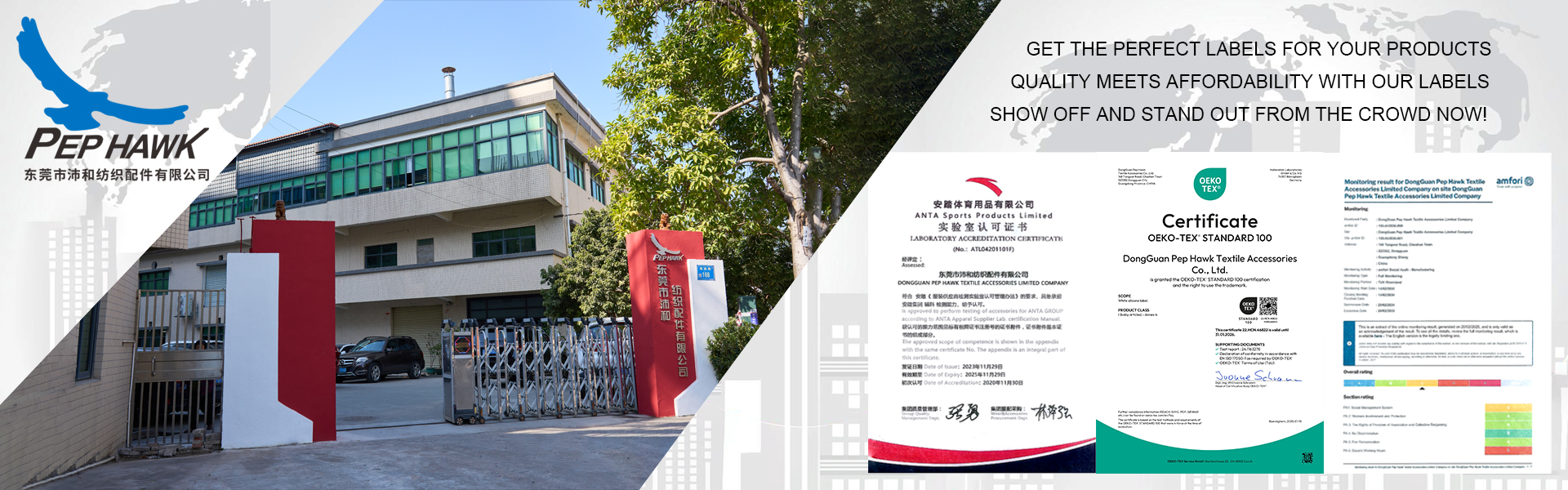
The Business Evolution of Embroidered Patches
Name Brand Patches: Strategic Brand Enhancement Tools