

The Art of Patch Creation: Crafting Unique Designs That Tell a Story
Shop our premium waterproof adhesive patches, perfect for quick repairs and creative projects. Experience unmatched durability and versatility in every application.
In the world of customization, patches have emerged as a timeless and versatile medium for self-expression. From embroidered badges on military uniforms to vibrant iron-on designs adorning denim jackets, patch creation is an art form that combines creativity, craftsmanship, and functionality. Whether you’re designing for personal use, branding purposes, or as part of a business venture, creating custom patches allows you to bring your ideas to life in ways that are both meaningful and visually striking. In this article, we’ll explore the process of patch creation, from conceptualization to execution, and discuss why it’s such a rewarding endeavor.
Why Patch Creation Is Worth Exploring
Patches are more than just decorative elements—they’re symbols of identity, achievement, and belonging. They can represent anything from a shared passion among friends to a company’s mission statement. Here’s why diving into patch creation is worth your time:
1. A Platform for Creativity
Patch creation offers endless possibilities for artistic expression. You can experiment with colors, textures, shapes, and techniques to create something truly unique. Whether you’re drawn to intricate embroidery or bold printed designs, there’s no limit to what you can achieve.
2. Versatility Across Applications
Custom patches can be used on clothing, accessories, bags, hats, and even home decor items like throw pillows or wall hangings. Their adaptability makes them suitable for a wide range of projects, from casual DIY crafts to professional branding initiatives.
3. Personalized Storytelling
Every patch tells a story. Whether it’s commemorating a special event, showcasing a hobby, or promoting a cause, patches allow you to convey messages and emotions through visual design.
4. Affordable and Accessible
Thanks to advancements in technology, creating custom patches has never been easier or more affordable. Online tools, digital design software, and heat press machines make it possible for anyone to produce high-quality patches from the comfort of their home.
The Patch Creation Process: From Concept to Completion
Creating a custom patch involves several key steps, each requiring attention to detail and thoughtful decision-making. Let’s break down the process:
1. Brainstorming Your Design
The first step in patch creation is deciding what you want your patch to represent. Ask yourself:
- What message do I want to communicate?
- Who is my target audience?
- Will the patch be part of a larger collection or standalone?
Once you’ve clarified your vision, sketch out rough drafts or create digital mockups using design software like Adobe Illustrator or Canva. Keep in mind factors like size, shape, and color palette during this stage.
2. Choosing Materials and Techniques
The materials and techniques you select will significantly impact the final product. Here’s a breakdown of common options:
|
Material/Technique
|
Best For
|
Advantages
|
|---|---|---|
|
Embroidery
|
Classic, textured designs
|
Durable, timeless appeal
|
|
Twill Backing
|
Foundation of most patches
|
Provides stability and structure
|
|
Heat-Activated Adhesive
|
Attaching patches to fabric
|
Strong bond, easy application
|
|
Printable Transfer Paper
|
Photo-realistic designs
|
High-resolution details, vibrant colors
|
|
Cutting Machines
|
Precision cutting
|
Accuracy, works with various materials
|
For example, if you’re aiming for a traditional look, embroidery might be ideal. On the other hand, if you need photorealistic imagery, printable transfer paper paired with heat pressing is the way to go.
3. Transferring Your Design
Once your design is finalized, it’s time to prepare it for production. If you’re working with embroidery, digitize your artwork so it can be stitched onto fabric. For printed designs, print your artwork onto transfer paper using a compatible printer.
4. Applying Finishing Touches
After transferring your design, consider adding finishing touches like borders, backing layers, or additional embellishments. These elements enhance durability and aesthetic appeal.
Tools and Technologies for Modern Patch Creation
Advancements in technology have revolutionized patch creation, making it accessible to hobbyists and professionals alike. Here are some essential tools and technologies to consider:
1. Digital Design Software
Programs like Adobe Illustrator, Photoshop, or free alternatives like GIMP allow you to create precise, scalable designs. These tools are especially useful for complex patterns or photo-realistic images.
2. Cutting Machines
Machines like Cricut or Silhouette Cameo enable precise cutting of materials like vinyl, felt, or twill. They’re perfect for intricate designs that would be difficult to cut by hand.
3. Heat Press Machines
A reliable heat press ensures consistent results when applying patches. It provides even heat distribution and adjustable pressure, which are crucial for achieving professional-quality finishes.
4. Online Customization Platforms
Many companies now offer online platforms where you can upload your design, choose materials, and order custom patches without needing specialized equipment. This option is great for beginners or those looking to outsource production.
Tips for Successful Patch Creation
To ensure your patches turn out exactly as envisioned, keep these tips in mind:
1. Start Simple
If you’re new to patch creation, begin with straightforward designs before tackling more complex projects. This will help you build confidence and refine your skills.
2. Test Before Committing
Always test your design on scrap fabric or material before applying it to the final piece. This allows you to identify potential issues and make adjustments.
3. Pay Attention to Detail
Small details can make a big difference in the overall appearance of your patch. Double-check alignment, spacing, and color accuracy to avoid mistakes.
4. Experiment with Textures
Don’t shy away from combining different materials and techniques to add depth and interest to your patches. For instance, pairing embroidery with printed elements can create a dynamic effect.
Applications of Custom Patches
Custom patches serve a variety of purposes beyond personalization. Here are some popular applications:
1. Branding and Marketing
Businesses use patches to promote their logo, slogan, or mascot on uniforms, merchandise, and promotional materials. This helps reinforce brand identity and fosters recognition.
2. Sports Teams and Clubs
Patches are commonly used to unify team members and showcase achievements. They also make excellent keepsakes for tournaments or events.
3. Fashion Statements
From streetwear to high fashion, patches add flair and personality to garments. Designers often incorporate custom patches to elevate plain pieces into statement items.
4. Commemorative Keepsakes
Patches can commemorate milestones, trips, or special occasions. They’re a tangible reminder of memories and experiences.
When confronted with the task of producing intricate design drafts of the highest quality, PEPHAWK is here to provide the perfect solution. With over 16 years of industry experience and our esteemed general manager boasting 31 years of expertise in the silicone industry, we are the ultimate choice for tackling your challenging logo design projects. Select PEPHAWK for our unmatched proficiency and rest assured in the impeccable outcomes we consistently deliver.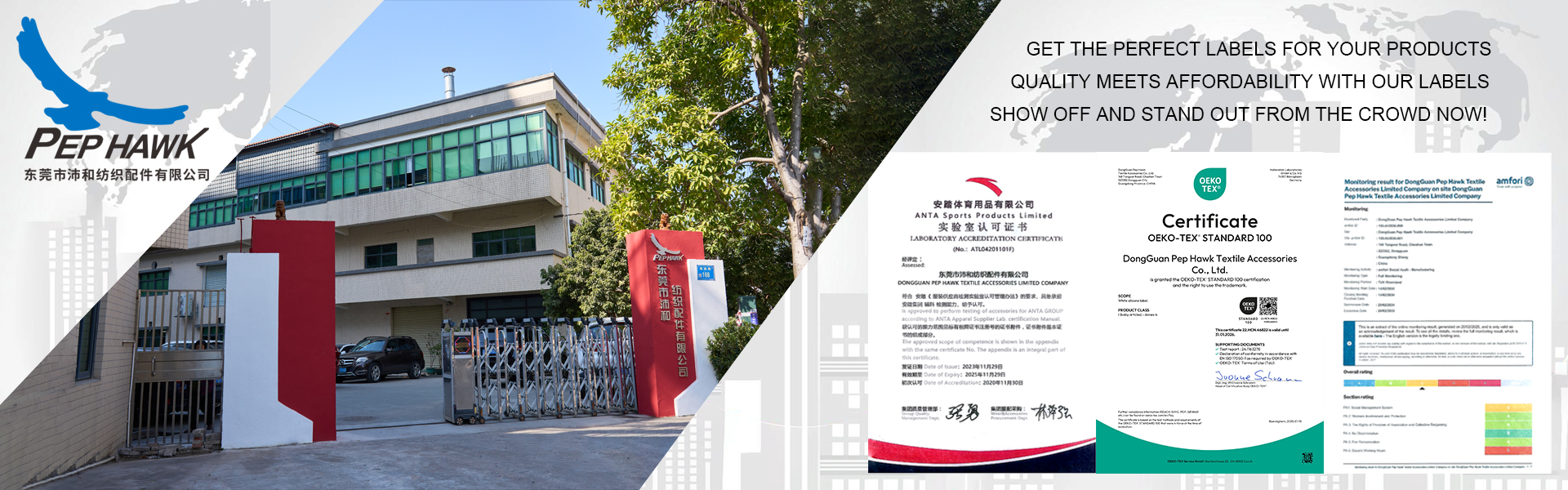
Soccer Patches: The Ultimate Tool for Team Spirit and Personalization
Choosing the Best Waterproof Custom Patches for Marine Adventures



