What Materials Work Best for Your Patches
Shop our extensive collection of patch adhesives tailored for various applications. Experience unmatched quality and performance for your repair tasks.
Patches have become a popular way to personalize clothing, accessories, and even gear. Whether you're customizing a denim jacket, adding flair to a backpack, or branding uniforms, the type of material you choose plays a crucial role in how well your patch adheres and lasts. Understanding which fabrics and surfaces are best suited for different types of patches—iron-on, adhesive, or sew-on—can make all the difference in achieving a professional and durable finish. In this guide, we’ll explore the best materials for patch application, offer tips for success, and help you avoid common pitfalls.
Iron-On Patches: Finding the Perfect Fabric Match
Iron-on patches are a favorite for their convenience and ease of use. With just an iron or heat press, you can attach patches quickly and efficiently. However, not all fabrics are compatible with the heat required for iron-on applications. Here’s a breakdown of the best materials for iron-on patches:
1. Cotton
Cotton is the gold standard for iron-on patches. Its natural fibers can withstand high heat without melting or warping, and its smooth surface provides an excellent base for adhesion.
Why It Works:
- Heat-Resistant: Cotton tolerates the high temperatures needed to activate the adhesive.
- Good Adhesion: The patch bonds seamlessly with cotton fibers, ensuring a secure hold.
2. Denim
Denim is another top choice for iron-on patches, especially for items like jackets, jeans, and bags. Its thickness and durability make it ideal for patches that need to endure heavy use.
Why It Works:
- Thick and Durable: Denim’s rugged texture holds patches securely.
- Stylish Appeal: Patches on denim create a trendy, personalized look.
3. Canvas
Canvas is perfect for outdoor gear, bags, and uniforms. Its heavyweight construction ensures patches stay firmly in place, even under challenging conditions.
Why It Works:
- Heavy-Duty: Canvas is designed to withstand wear and tear, making it ideal for patches exposed to frequent use.
- Heat Compatibility: Canvas handles the heat from an iron without damage.
4. Polyester (With Caution)
While polyester can work for iron-on patches, it requires extra care due to its synthetic nature. Polyester is sensitive to heat and can melt if exposed to high temperatures.
Why It Works:
- Moderate Adhesion: Polyester’s smooth surface bonds well with patch adhesive.
- Heat Sensitivity: Use a low heat setting and protect the fabric with a pressing cloth to avoid damage.
5. Blends (Cotton-Polyester)
Fabric blends combining cotton and polyester are versatile options for iron-on patches. The cotton content helps with adhesion, but caution is still needed to prevent heat damage to the polyester fibers.
Why It Works:
- Balanced Properties: Blends offer the durability of cotton and the lightweight feel of polyester.
- Heat Tolerance: Stick to moderate heat settings for optimal results.
Adhesive Patches: Exploring Versatile Surfaces
Adhesive patches are a no-heat alternative that offers quick and easy application. While they’re less permanent than iron-on or sew-on patches, they’re perfect for temporary customization or non-fabric surfaces.
1. Smooth Fabrics (Like Nylon)
Nylon and similar smooth fabrics are ideal for adhesive patches. Their low-friction surface allows the adhesive to bond effectively.
Why It Works:
- Smooth Surface: Adhesive patches adhere well to smooth fabrics like nylon.
- Temporary Fix: Great for short-term or decorative purposes.
2. Hard Surfaces (Like Plastic or Metal)
Adhesive patches can also be applied to non-fabric surfaces such as plastic, metal, or wood. This versatility makes them a go-to option for personalizing items like helmets, water bottles, or cases.
Why It Works:
- Versatility: Adhesive patches stick to a wide range of materials.
- Easy Application: Simply press the patch onto the surface for instant customization.
3. Felt
Felt is an excellent choice for adhesive patches due to its soft texture and lack of fraying. It’s particularly well-suited for crafting projects or decorative accessories.
Why It Works:
- Grip-Friendly: Felt’s fibers provide a secure hold for adhesive patches.
- Decorative Potential: Perfect for adding patches to hats, bags, or crafts.
Sew-On Patches: Ensuring Long-Lasting Durability
For a permanent solution, sew-on patches are unmatched. They’re stitched directly onto the fabric, ensuring they stay in place through washing, wear, and tear. Certain materials are better suited for sewing than others.
1. Leather
Leather is an excellent choice for sew-on patches, especially for jackets, bags, and accessories. Its thickness and strength make it ideal for holding stitches securely.
Why It Works:
- Durability: Leather is long-lasting and resists damage.
- Stylish Appeal: Sewn patches on leather create a bold, fashionable statement.
2. Wool
Wool works beautifully with sew-on patches, particularly for items like sweaters, hats, or scarves. Its soft texture makes sewing easier, and the natural fibers hold stitches well.
Why It Works:
- Good Stitch Retention: Wool fibers grip stitches securely.
- Comfortable Texture: Wool provides a cozy backdrop for patches.
3. Canvas and Denim
As with iron-on patches, canvas and denim excel for sew-on applications. Their thick, durable structure ensures stitches remain intact over time.
Why It Works:
- Durability: These fabrics hold up to repeated wear and washing.
- Versatility: Ideal for patches on jackets, jeans, bags, and more.
Fabrics to Avoid for Patches
While many materials work well with patches, some are simply unsuitable due to their delicate nature or resistance to adhesion.
1. Silk
Silk is too fragile to withstand the heat required for iron-on patches, and its smooth surface doesn’t bond well with adhesive patches.
2. Rayon
Like silk, rayon is heat-sensitive and prone to damage. Its slippery texture also makes it difficult for adhesive patches to stick.
3. Waterproof Fabrics
Materials like Gore-Tex or vinyl are designed to repel water and resist adhesion, making them incompatible with most patch types.
Tips for Successful Patch Application
No matter which type of patch you choose, these tips will help ensure a professional finish:
- Pre-Wash Fabrics: Washing removes sizing and prevents shrinkage after patch application.
- Use a Pressing Cloth: Protect delicate fabrics from heat damage by using a pressing cloth.
- Test First: Perform a small test on scrap fabric to determine the best heat and pressure settings.
- Secure Edges: For sew-on patches, reinforce edges with additional stitching to prevent fraying.
Conclusion: Choose Wisely for Lasting Results
Selecting the right material for your patches is essential for achieving a durable and stylish result. Whether you opt for iron-on, adhesive, or sew-on patches, understanding the compatibility of fabrics like cotton, denim, canvas, and leather will set you up for success. By avoiding delicate materials like silk and rayon, and taking proper precautions with synthetics like polyester, you can ensure your patches stay securely in place.
So, whether you’re personalizing a favorite jacket, branding uniforms, or crafting unique accessories, patches offer endless possibilities for creativity and self-expression. Armed with this knowledge, you’re ready to tackle your next patch project with confidence.
When confronted with the task of producing intricate design drafts of the highest quality, PEPHAWK is here to provide the perfect solution. With over 16 years of industry experience and our esteemed general manager boasting 31 years of expertise in the silicone industry, we are the ultimate choice for tackling your challenging logo design projects. Select PEPHAWK for our unmatched proficiency and rest assured in the impeccable outcomes we consistently deliver.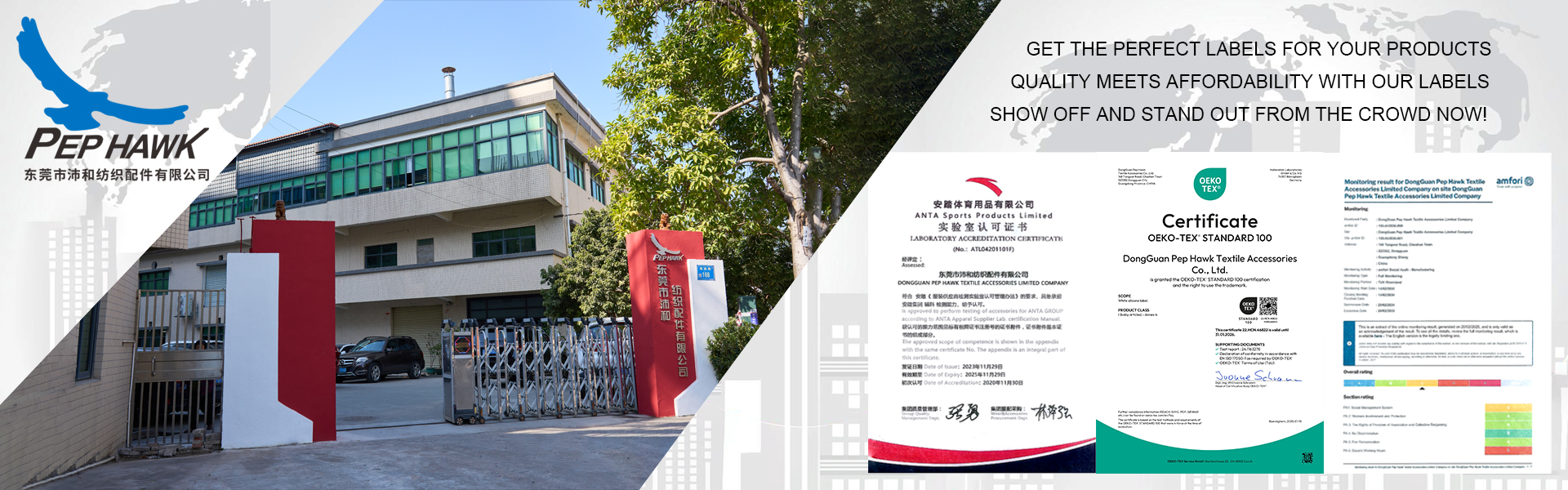
Custom Hat Patches: Elevate Your Style with Personalized Designs
Soccer Patches: The Ultimate Tool for Team Spirit and Personalization