Air Max Logos Unleashed: How TPU & Sustainability Are Kicking Old Designs to the Curb!
Explore the evolution of Nike Air Max Logo design , blending innovation, sustainability, and style. Discover how materials like TPU revolutionize branding with transparency, durability, and eco-friendliness.
Since its debut in 1987, the Nike Air Max line has redefined athletic footwear through its groundbreaking visible air cushioning technology. Beyond its engineering marvel, the Air Max logo has become a cultural icon, symbolizing innovation, performance, and style. Over decades, Nike has continually refined its logo designs, balancing aesthetic appeal with functionality while addressing environmental concerns. This article explores the diverse materials used in Nike Air Max logo design, highlights the unique advantages of thermoplastic polyurethane (TPU) , and examines how creativity and sustainability intersect in modern footwear branding.
1. Traditional Materials in Nike Air Max Logo Design
Historically, Nike Air Max logos were crafted using materials prioritizing durability and cost-effectiveness. These included:
- PVC (Polyvinyl Chloride): A synthetic plastic known for its flexibility and affordability. PVC logos were commonly used in early Air Max models due to their ease of molding into bold, vibrant designs. However, PVC’s environmental drawbacks—non-biodegradability and toxic chemical emissions during production—have led to its decline in modern applications.
- Rubber: Offering a tactile, rubbery texture, this material was ideal for raised logos on midsoles or outsoles. While durable, rubber lacks transparency, limiting design versatility.
- Metal: Occasionally used for premium editions, metal accents (e.g., aluminum or brass) added a luxurious feel. Yet, their weight and susceptibility to corrosion made them impractical for everyday wear.
- Fabric: Woven or embroidered logos on tongue tags or uppers provided a soft, breathable alternative. However, fabric logos were prone to fraying and water damage.
- Silicone: Praised for its elasticity and weather resistance, silicone allowed for intricate 3D designs. Its high cost, however, restricted its use to limited-edition releases.
While these materials served their purpose, they often compromised either aesthetics, sustainability, or both. This gap paved the way for thermoplastic polyurethane (TPU) , a material that harmonizes form, function, and environmental responsibility.
2. TPU: Redefining the Nike Air Max Logo
Thermoplastic polyurethane (TPU) has emerged as a game-changer in footwear design, particularly for Nike Air Max logos. This versatile polymer combines the best attributes of rubber and plastic, offering unparalleled design freedom and eco-conscious benefits.
A. Textural Richness and Visual Appeal
TPU’s transparency and malleability enable designers to create logos with depth and dimensionality . By adjusting hardness (ranging from 60HA to 85HD), TPU can mimic glass-like clarity or soft rubber resilience. Techniques like laser etching , frosted finishes , and holographic coatings further enhance its visual complexity. For instance, the Air Max 1 Deluxe features a translucent outsole embedded with a Swoosh logo, blending retro charm with futuristic aesthetics.
B. Unmatched Design Flexibility
TPU’s thermoplastic nature allows it to be molded into intricate shapes, enabling 3D embossing , laser-cut patterns , and multi-layered overlays . Nike leverages this versatility in collaborations like the Nike By You customization platform, where users can choose TPU logo inserts in colors and textures that reflect their personal style. Additionally, TPU’s compatibility with dual-injection molding enables seamless integration of logos with other materials, such as leather or knit uppers, without sacrificing structural integrity.
C. Sustainability: A Core Advantage
Unlike PVC, TPU is biodegradable under specific conditions (e.g., industrial composting) and can be recycled indefinitely without degradation in quality. This aligns with Nike’s Move to Zero initiative, which aims to achieve zero carbon emissions and zero waste. For example, TPU offcuts from manufacturing are repurposed into insoles or midsole cushioning, minimizing resource waste. Moreover, TPU’s durability reduces the frequency of replacements, indirectly lowering its environmental footprint.
D. Durability and Performance
TPU’s resistance to abrasion, UV radiation, and extreme temperatures ensures logos remain pristine even under rigorous use. This resilience is critical for Air Max models like the Air Max 97 , which features a TPU-wrapped midsole to highlight its full-length air unit. The material’s elasticity also enhances comfort, as seen in the Air Max 270 , where TPU logos on the heel counter provide subtle cushioning without adding bulk.
3. Diverse Logo Design Approaches Across Nike Air Max Models
Nike’s design philosophy extends beyond material innovation, embracing storytelling, customization, and cultural resonance. Here’s how different Air Max models showcase distinct logo strategies:
A. Dynamic 3D Design: Storytelling Through Motion
Nike often employs animated digital assets to celebrate Air Max milestones. For instance, the "Air Max: The Future of Air" campaign used 3D motion graphics to depict the evolution of air cushioning, with logos morphing into abstract shapes that symbolize innovation. These designs, while primarily digital, influence physical products—for example, the Air VaporMax ’s semi-transparent uppers feature embossed logos that mimic the fluidity of animated sequences.
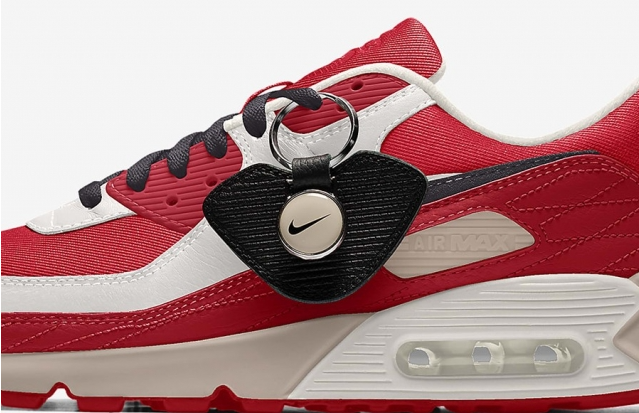
B. Customization: Empowering Consumer Creativity
The Nike By You platform lets customers personalize Air Max logos with color gradients , geometric patterns , or text engravings . TPU’s adaptability plays a crucial role here: laser-etched logos on TPU patches can be swapped between shoes, allowing users to refresh their style sustainably. This approach not only caters to individuality but also reduces overconsumption by extending product lifecycles.
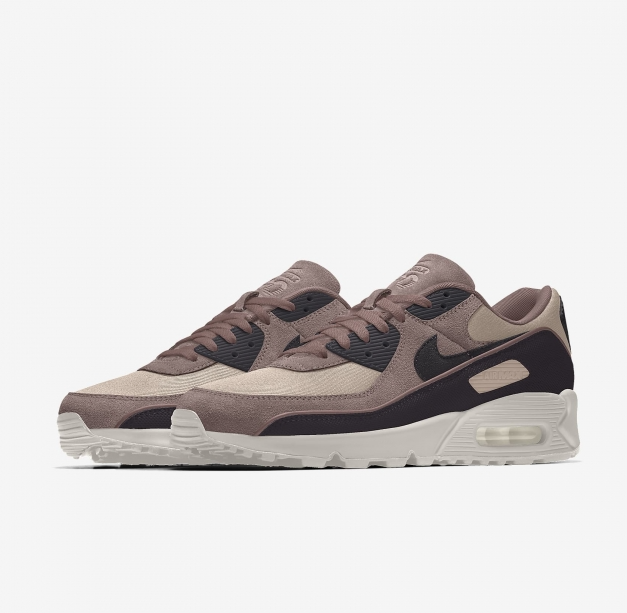
C. Functional Integration: Form Meets Utility
Nike has masterfully embedded logos into functional components. The Air Max 90 Essential features a woven tongue tag with a debossed Swoosh, while the Air Max 98 integrates the logo into its gradient reflective upper , enhancing visibility during nighttime runs. In the Air Max 2x , a transparent TPU window in the midsole reveals the air unit, doubling as a canvas for minimalist branding.
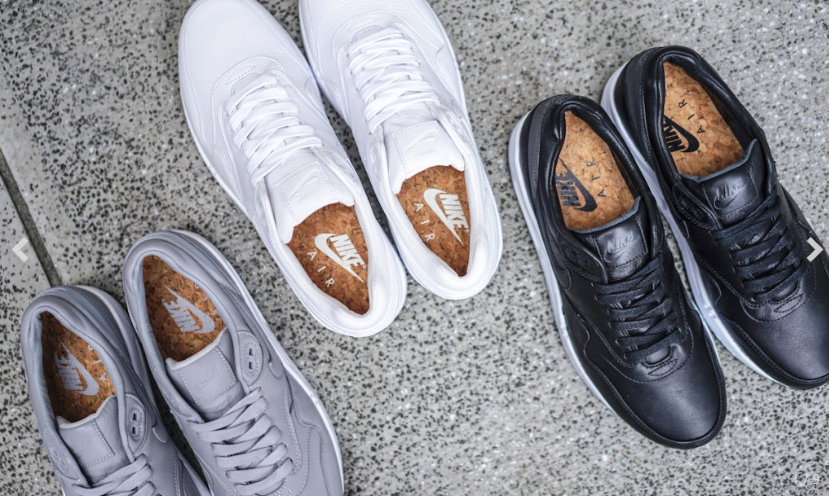
D. Cultural Fusion: Bridging Heritage and Modernity
Collaborations with designers like Sacai and Travis Scott have reimagined the Air Max logo through cultural lenses. The Air Max 97 x Sacai merges double-stacked soles with overlapping TPU Swooshes , creating a layered, deconstructed look. Meanwhile, Travis Scott’s Air Max 270 incorporates a reverse Swoosh and distressed textures, reflecting his Houston roots and streetwear ethos.
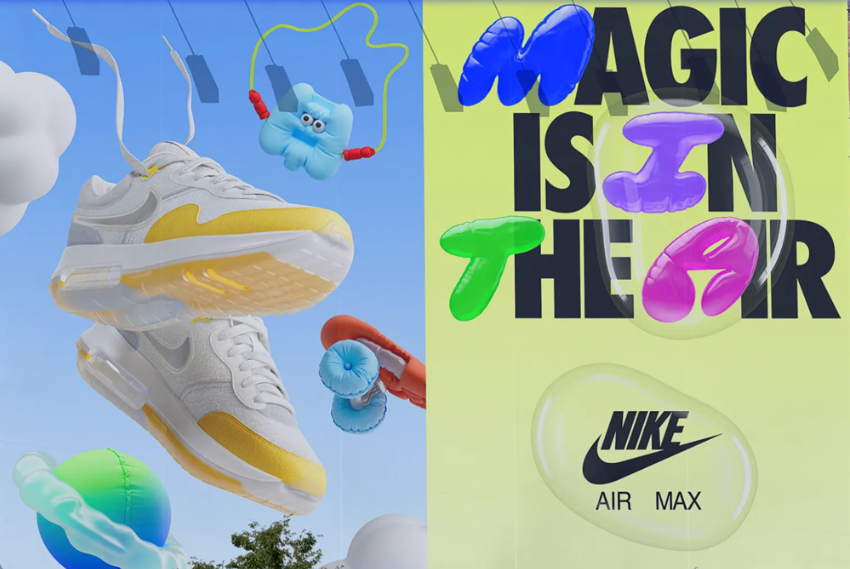
E. Model-Specific Evolution
Each Air Max model’s logo reflects its technological advancements. The Air Max 90 ’s bold, blocky logo mirrors its robust cushioning, while the Air Max 97 ’s streamlined Swoosh echoes its aerodynamic design. The Air Max 270 introduces a rounded, minimalist logo to complement its lifestyle-oriented silhouette. These variations underscore Nike’s ability to tailor branding to a shoe’s identity.
4. Sustainability as a Design Imperative
Nike’s shift toward eco-friendly materials is driven by both consumer demand and regulatory pressures. TPU exemplifies this transition, but the brand also experiments with plant-based dyes , recycled polyester , and waterless dyeing technologies . For example, the Air Max Dia uses a single-piece TPU upper with zero-waste patterning, reducing material surplus by 60%. Such innovations demonstrate that sustainability can coexist with cutting-edge design.
A. The Move to Zero Initiative
Nike’s Move to Zero campaign targets net-zero carbon emissions by 2050. Key strategies include:
- Material Innovation: Replacing petroleum-based foams with mycelium leather (fungus-derived) and Nike Grind (recycled manufacturing scraps).
- Circular Design: Creating products that can be disassembled and recycled, such as the Space Hippie collection, which uses TPU logos alongside recycled plastic bottles.
- Transparent Sourcing: Partnering with suppliers to trace material origins and ensure ethical practices.
These efforts position Nike as a leader in sustainable footwear, with TPU playing a pivotal role in reducing the industry’s ecological footprint.
5. The Future of Nike Air Max Logo Design
Looking ahead, Nike is poised to explore smart materials and digital-physical hybrid branding . Concepts like thermochromic TPU (which changes color with temperature) or AR-enabled logos (activated via smartphone cameras) could redefine interactivity. Meanwhile, advances in bio-based TPU —derived from algae or castor oil—promise even greater sustainability. As the Air Max legacy evolves, its logos will continue to embody Nike’s mantra: "Innovate, Inspire, Impact."
Conclusion
The Nike Air Max logo has transcended its role as a mere brand identifier to become a testament to design ingenuity and environmental stewardship. From traditional materials like PVC and rubber to the revolutionary potential of TPU, each choice reflects Nike’s commitment to pushing boundaries. By merging aesthetic boldness with eco-conscious practices, Nike sets a benchmark for the industry, proving that style and sustainability are not mutually exclusive. As the Air Max saga continues, one truth remains evident: the future of footwear lies in innovation that honors both creativity and the planet.
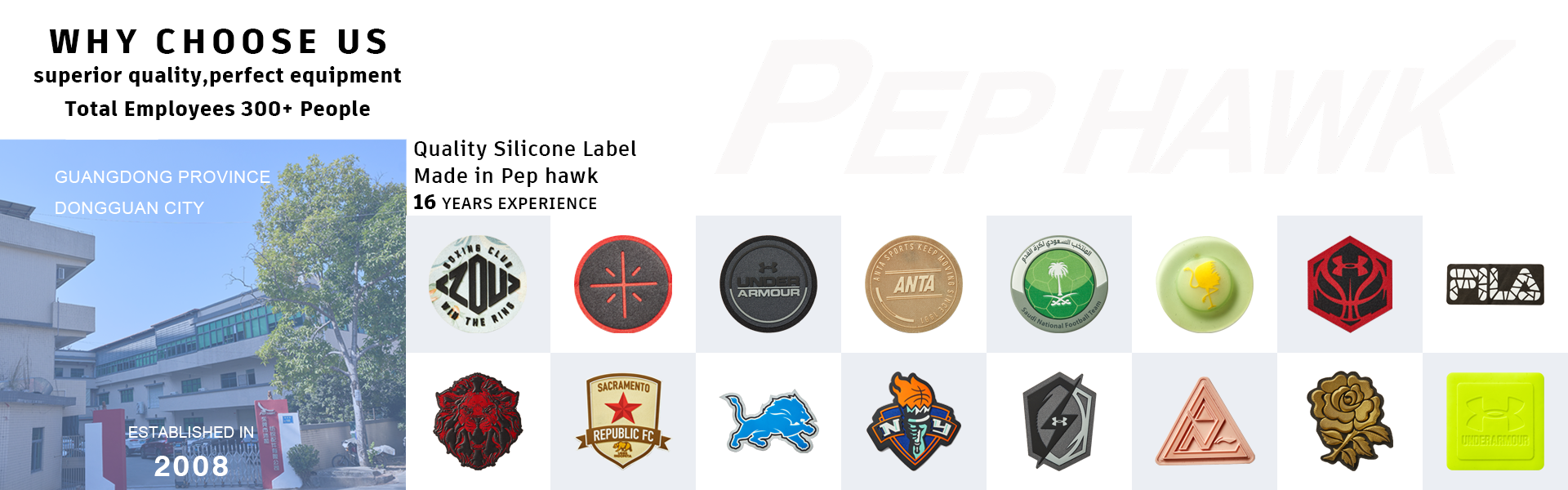
When confronted with the task of producing intricate design drafts of the highest quality, PEPHAWK is here to provide the perfect solution. With over 16 years of industry experience and our esteemed general manager boasting 31 years of expertise in the silicone industry, we are the ultimate choice for tackling your challenging logo design projects. Select PEPHAWK for our unmatched proficiency and rest assured in the impeccable outcomes we consistently deliver.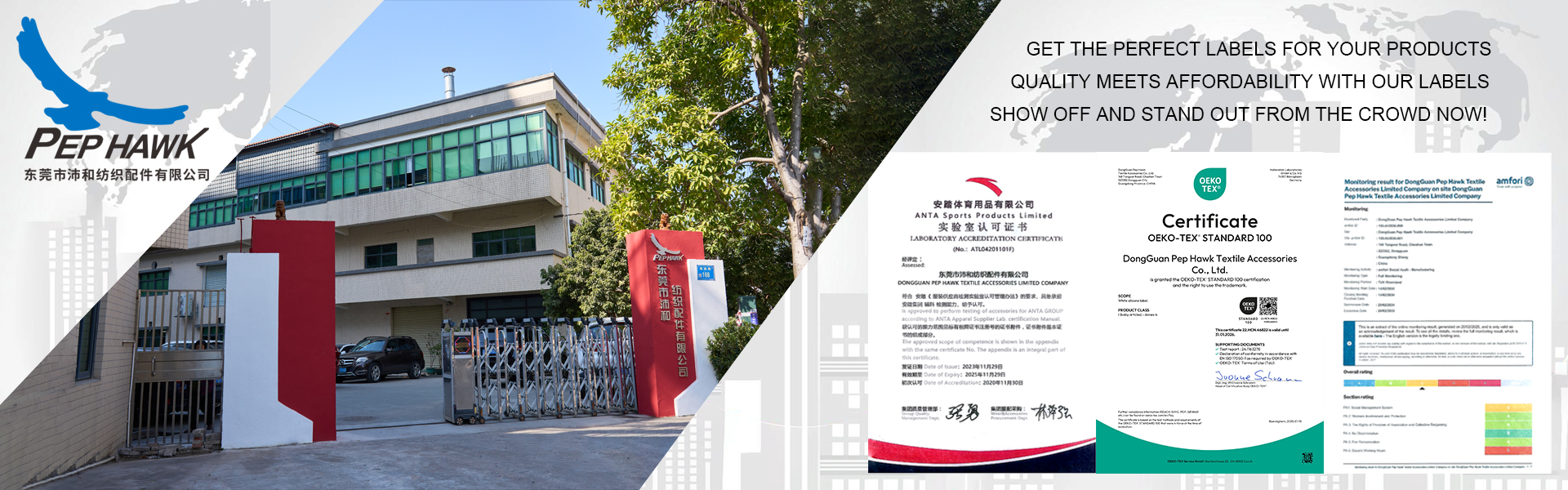
Design Innovation and Environmental Sustainability in National Flag Patches: A Case Study of PEPHAWK’s Mexico Flag Patch
The Evolution of Sports Brand Logos in 2025: Trends, Technologies, and Cultural Narratives