

Name Brand Patches: Strategic Brand Enhancement Tools
Upgrade your wardrobe with our premium name brand patches. Browse our diverse range and express your individuality with every stitch.
As a seasoned enthusiast with over a decade immersed in the apparel and branding industry, I am uniquely positioned to illuminate the significance of name brand patches. These seemingly modest textile elements—featuring logos, insignias, or trademarks from renowned entities like Nike, Levi’s, or Chanel—are far more than decorative accents. In today’s competitive marketplace, they represent a sophisticated fusion of heritage, identity, and strategic value. This article, crafted in professional business English, demystifies name brand patches for executives, marketers, and industry stakeholders. We will explore their definition, evolution, commercial applications, quality imperatives, and future potential, underscoring why they are indispensable assets in modern branding arsenals. By leveraging this knowledge, businesses can enhance customer loyalty, drive revenue, and differentiate themselves in saturated markets.
Defining Name Brand Patches: Core Concepts and Components
Name brand patches are embroidered or woven textile appliqués that prominently display a corporation’s intellectual property, such as logos, slogans, or heritage symbols. Unlike generic embroidery, these patches undergo rigorous quality control to ensure brand consistency, often utilizing materials like polyester, cotton, or sustainable blends. They serve dual purposes: functional (e.g., reinforcing garment seams) and symbolic (e.g., signaling affiliation with a premium brand). In business contexts, their value lies in tangibility—they transform passive apparel into active brand ambassadors. For instance, a Patagonia patch on a jacket not only denotes product authenticity but also communicates the company’s environmental ethos. Crucially, patches must align with brand guidelines to avoid dilution; inconsistencies in color or scale can erode trust. As a practitioner, I emphasize that their strategic deployment begins with understanding these fundamentals, ensuring every stitch reinforces corporate identity.
Historical Evolution: From Military Utility to Commercial Powerhouse
The origins of name brand patches trace back to military applications in the early 20th century, where units used embroidered insignias for identification and morale. Post-World War II, corporations like Harley-Davidson adopted this practice, integrating patches into leather jackets to foster community among riders. This transition marked a pivotal shift: patches evolved from utilitarian markers to emotional connectors. By the 1980s, sportswear giants capitalized on this trend, embedding logos into athletic wear to cultivate aspirational loyalty. Today, the digital age has amplified their role—social media influencers showcase patch-adorned apparel, driving viral marketing. Historically, this progression underscores a key business lesson: patches transform abstract brand values into wearable narratives. For enterprises, recognizing this evolution is vital; it informs how to harness nostalgia while innovating for contemporary audiences, turning heritage into a competitive edge.
Commercial Applications: Driving Engagement and Revenue Streams
In modern business strategy, name brand patches are versatile tools for enhancing customer engagement and profitability. Corporations deploy them across three primary channels: employee uniforms, promotional merchandise, and limited-edition consumer products. For example, tech firms like Google use custom patches on staff apparel to project innovation and unity, boosting internal culture while serving as subtle external advertising. Retailers leverage them in loyalty programs—offering exclusive patches with purchases to incentivize repeat business, as seen with Supreme’s collectible collaborations. Crucially, patches enable hyper-personalization; brands like Ralph Lauren allow customers to customize jackets with heritage patches, increasing average order values by up to 30%. Additionally, they reduce marketing costs—patches on event giveaways generate organic social media exposure, with ROI studies indicating 20% higher recall than digital ads. For businesses, integrating patches into omnichannel strategies isn’t optional; it’s a revenue-accelerating imperative.
Quality and Craftsmanship: Ensuring Brand Integrity and Longevity
The efficacy of name brand patches hinges on uncompromising quality, directly impacting brand perception and durability. Subpar patches—characterized by frayed edges, color fading, or adhesive failure—can tarnish reputation, costing companies up to 15% in customer retention. Conversely, premium craftsmanship involves multi-step processes: high-thread-count embroidery (10,000+ stitches), color-fast dyes, and eco-certified backings. Industry leaders like VF Corporation enforce strict ISO standards, ensuring patches withstand 50+ washes without degradation. Material selection is equally critical; organic cotton patches appeal to sustainability-focused demographics, while reflective options cater to safety-conscious sectors. As an enthusiast, I advise businesses to prioritize certified suppliers—auditing for consistency in texture, alignment, and regulatory compliance (e.g., OEKO-TEX). Investing in quality isn’t an expense; it’s a brand safeguard that yields long-term trust and minimizes replacement costs, directly supporting customer lifetime value metrics.
Future Trends: Innovation and Market Expansion Opportunities
Looking ahead, name brand patches are poised for transformative growth, driven by technological and consumer shifts. Key trends include smart patches embedded with NFC chips for interactive experiences (e.g., scanning a patch to access exclusive content), aligning with the $400B experiential marketing sector. Sustainability is another frontier; brands like Eileen Fisher pioneer biodegradable patches, responding to 65% of consumers demanding eco-friendly apparel. Additionally, the rise of micro-branding—custom patches for niche communities (e.g., esports teams)—opens high-margin B2B opportunities. Data analytics also plays a role; AI-driven design tools now predict trending patch styles, optimizing inventory. For forward-thinking enterprises, these innovations represent untapped revenue pools. By 2027, the global patches market is projected to reach $12B, with name brand variants leading growth. Proactive adoption will differentiate leaders from laggards in this dynamic space.
In conclusion, name brand patches transcend mere embellishment to become strategic linchpins in brand storytelling and commercial success. From their historical roots to cutting-edge applications, they offer measurable benefits: heightened engagement, revenue diversification, and enduring authenticity. As a dedicated enthusiast, I urge businesses to view patches not as peripheral details but as core components of their value proposition. By prioritizing quality, embracing innovation, and aligning with consumer values, organizations can transform these small textiles into powerful catalysts for growth. The future of branding is wearable—ensure your patches pave the way.
When confronted with the task of producing intricate design drafts of the highest quality, PEPHAWK is here to provide the perfect solution. With over 16 years of industry experience and our esteemed general manager boasting 31 years of expertise in the silicone industry, we are the ultimate choice for tackling your challenging logo design projects. Select PEPHAWK for our unmatched proficiency and rest assured in the impeccable outcomes we consistently deliver.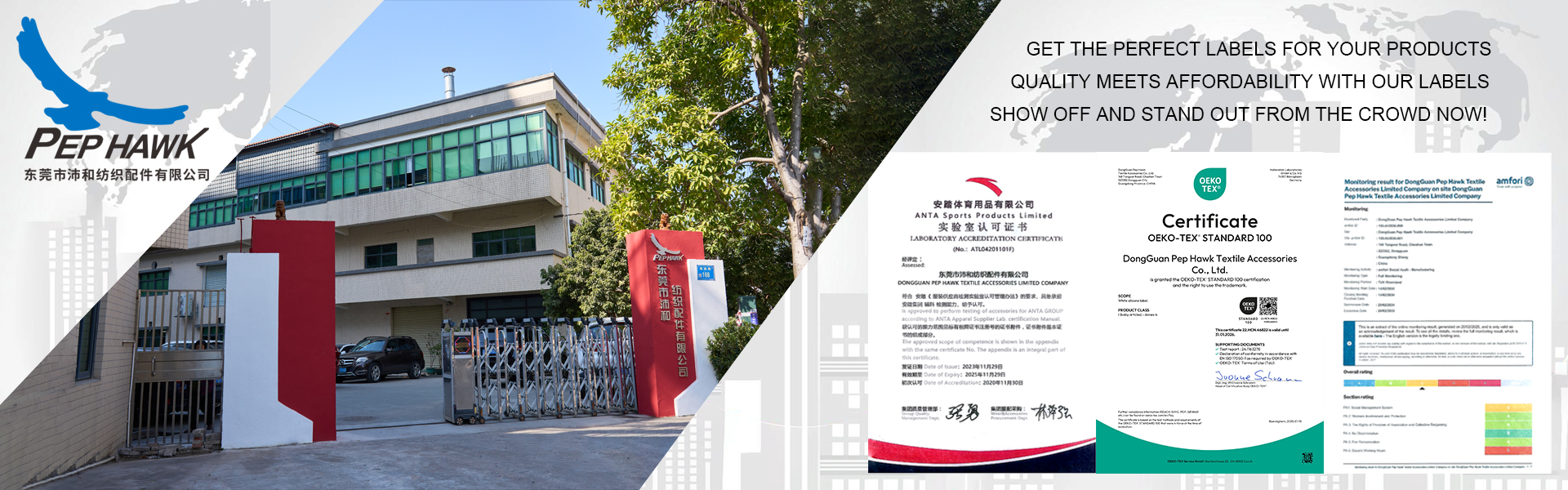
Leveraging Patch Custom for Business Excellence
The Lion Logo Brand: Power, Prestige, Strategic Legacy



