

What Are the Main Types of Motorcycle Vest Patches?
2025-08-26
Upgrade your motorcycle vest with our premium patches. Browse through various designs that reflect your personality and love for riding. Shop today!
Motorcycle vest patches are more than just decorative additions—they tell stories, signal belonging, and even boost safety. But with so many options available, how do you know which type fits your needs? Let’s break down the key categories, each with unique traits, uses, and appeal for riders.
1. Embroidered Patches: The Classic Choice
Embroidered patches are the most traditional and widely recognized type. Made by stitching thread (often cotton, polyester, or rayon) onto a base fabric like twill or felt, they stand out for their texture and durability. Why choose them? They hold up well against wind, rain, and regular wear—critical for riders who spend hours on the road.
Design-wise, embroidered patches range from simple logos (like a brand’s name) to complex art (such as skulls, eagles, or scenic routes). Many motorcycle clubs (MCs) use custom embroidered patches to represent their chapter or values—think bold lettering for club names or small “rocker” patches (curved text) for locations. The thickness of the thread can vary too: heavier stitching adds depth, while lighter threads create delicate details. For riders who want a timeless look that lasts, embroidered patches are a top pick.
2. PVC/Vinyl Patches: Weather-Resistant Workhorses
If you ride in wet or muddy conditions, PVC (polyvinyl chloride) or vinyl patches are a game-changer. Unlike embroidered patches, these are made from flexible, waterproof plastic that repels moisture, dirt, and even oil. How do they differ from other types? They have a smooth, glossy or matte finish and can include 3D raised elements—great for adding pop to a vest.
PVC patches are also easy to clean: just wipe them with a damp cloth, and they look new again. This makes them popular with off-road riders or those who live in rainy climates. They’re often used for bold, colorful designs (like neon accents or reflective strips) and can be cut into any shape—from small badges to large back patches. While they’re less “classic” than embroidered styles, their practicality makes them a favorite for functional riders.
3. Reflective Patches: Safety-First Essentials
Safety is non-negotiable for motorcyclists—and reflective patches are designed to keep riders visible, especially at night or in low light. How do they work? They’re made with special materials (like microprismatic tape or reflective thread) that bounce light back to its source, such as car headlights. This makes riders easier to spot, reducing the risk of accidents.
Reflective patches come in two main forms: fully reflective (for maximum visibility) or partially reflective (blending safety with style). For example, a patch might have a reflective border around an embroidered design, or a small reflective “safety dot” patch on the vest’s sleeve. Many riders pair them with other safety gear, like reflective jackets or helmets. If you often ride after dark, these patches aren’t just an accessory—they’re a necessity.
4. Iron-On vs. Sew-On Patches: Application Styles
Beyond design and material, motorcycle vest patches differ in how they attach to your vest. The two most common methods are iron-on and sew-on—but which is better for you?
Iron-on patches have a heat-activated adhesive backing. To apply them, you simply press a hot iron over the patch for 10–20 seconds, and the adhesive melts to stick to the vest. They’re quick and easy—perfect for riders who want to switch up their look without sewing. However, they’re less durable than sew-on patches: the adhesive can peel off over time, especially with frequent washing or exposure to the elements.
Sew-on patches, on the other hand, require threading a needle and stitching the patch to the vest (usually around the edges). This takes more time, but the result is far more secure—sew-on patches rarely come loose, even after years of wear. They’re ideal for patches you want to keep long-term, like club patches or sentimental designs. Some riders even combine both methods: iron on the patch for a temporary hold, then sew around the edges for extra strength.
5. Club/Association Patches: Symbols of Belonging
For many riders, motorcycle vest patches are a way to show membership in a club or community—and these patches have strict unwritten rules. Club patches (often called “colors”) typically include three parts: a top rocker (with the club’s name), a center patch (the club’s logo), and a bottom rocker (with the chapter’s location). Only full members can wear all three—prospects (new members) might wear just a center patch or a “prospect” badge.
These patches are almost always sew-on (for permanence) and are often embroidered or PVC. They’re not just for MCs, either: groups like vintage motorcycle clubs, charity ride organizations, or brand fan clubs use custom patches to build camaraderie. Wearing these patches is a sign of respect—you shouldn’t wear a club’s colors unless you’re a member, as it’s seen as misrepresentation.
6. Decorative/Expressive Patches: Personal Style Statements
Not all patches are about clubs or safety—many riders use decorative patches to showcase their personality. These can be anything from funny slogans (“Ride Fast, Live Slow”) to pop-culture references (like a patch of a favorite movie character) or hobby-themed designs (such as a guitar or a camping tent).
Decorative patches come in every material—embroidered, PVC, even fabric appliqués—and are often iron-on for easy swapping. Riders might mix and match them: a small “coffee lover” patch next to a reflective safety patch, or a large back patch of a vintage motorcycle. The goal here is to make your vest unique—no two decorative patch collections are the same.
Which Patch Is Right for You?
The best motorcycle vest patch depends on your priorities: Do you want something classic and durable? Go for embroidered. Need weather protection? PVC is key. Ride at night? Reflective patches are a must. And if you’re part of a club? Sew-on club colors are the standard.
No matter which type you choose, patches turn a simple vest into a reflection of who you are as a rider—your style, your community, and your love for the road. So next time you pick a patch, think beyond the design: consider how it fits your riding life, and let it tell your story.
When confronted with the task of producing intricate design drafts of the highest quality, PEPHAWK is here to provide the perfect solution. With over 16 years of industry experience and our esteemed general manager boasting 31 years of expertise in the silicone industry, we are the ultimate choice for tackling your challenging logo design projects. Select PEPHAWK for our unmatched proficiency and rest assured in the impeccable outcomes we consistently deliver.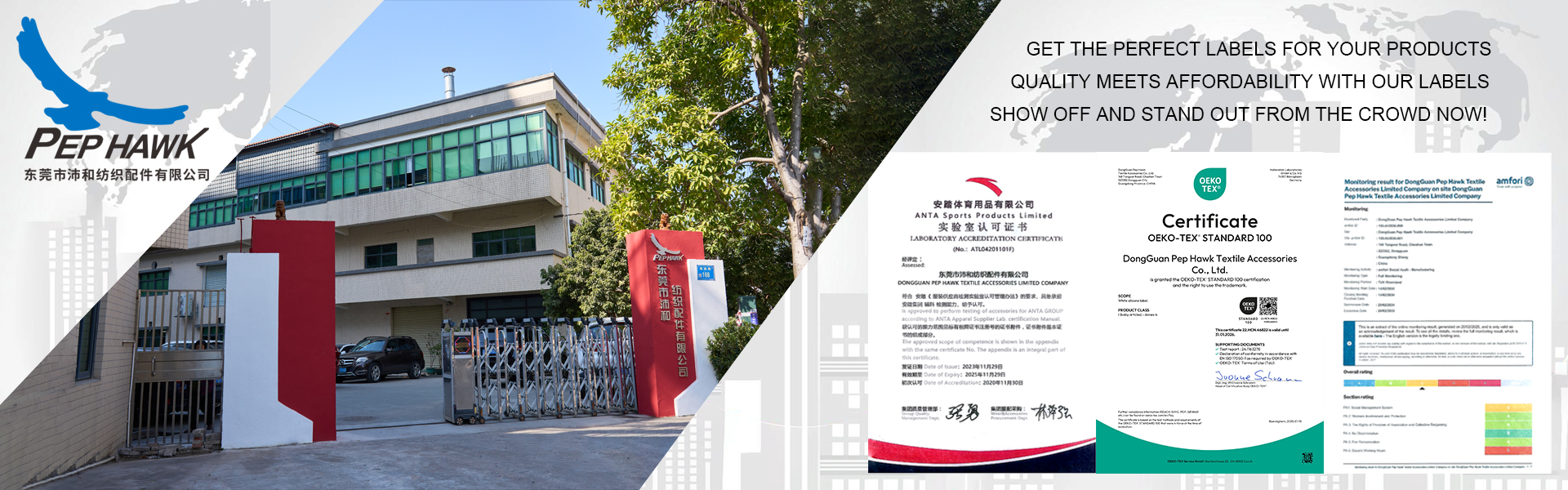
Which Bull Logo Clothing Brand is Right for Your Unique Style?
All About Harry Potter Patches




SEND MESSAGE