

Why mini iron-on patches master precision power: Detail durability fusion, industry strategic mastery
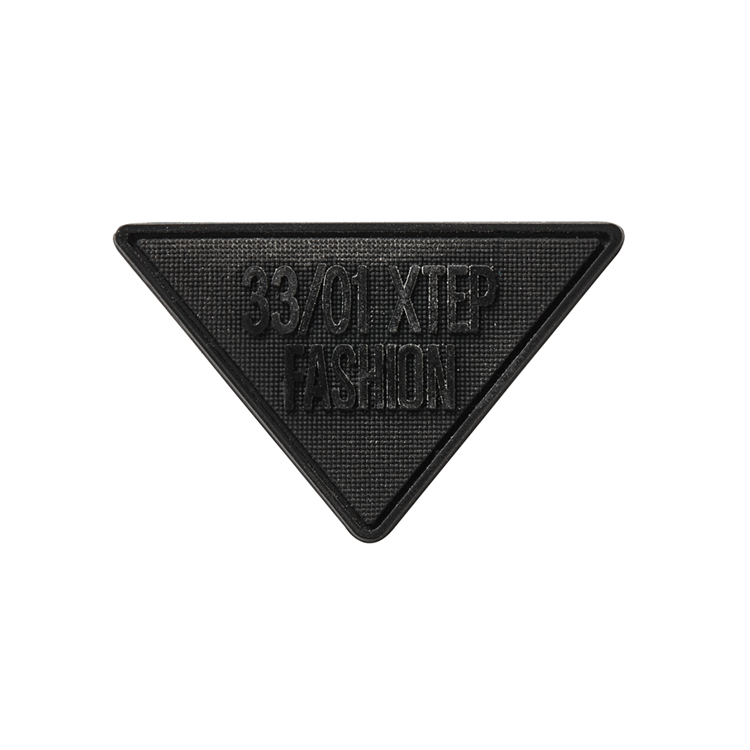
Unleash your creativity with mini iron-on patches! Perfect for personalizing clothes and bags, these patches are easy to apply and come in diverse styles.
The Strategic Advantage of Miniaturization
The appeal of mini patches lies in their ability to deliver brand identity or personalization without overwhelming the garment or product. In an era saturated with logos, consumers increasingly gravitate towards understated luxury and intentional detail. A meticulously crafted mini patch on a jacket cuff, the interior seam of high-end activewear, or the collar of a children's garment speaks volumes through restraint. This micro-embellishment strategy is particularly potent in premium fashion, technical outerwear, and corporate uniform programs where overt branding is undesirable, but subtle affiliation or quality signaling is essential. Consider the military and emergency services sectors – where I've consulted on uniform specifications – mini rank insignia or unit identifiers are critical for professionalism and functionality without compromising the uniform's clean lines or creating snag hazards. The market reflects this demand: Statista reports the global custom apparel market, heavily driven by personalization techniques including patches, is projected to grow at a CAGR of 8.3% from 2023 to 2028, with a significant segment attributed to refined, smaller-scale embellishments. This growth isn't accidental; it's fueled by brands recognizing the power of precision.
Engineering Excellence: Materials and Adhesive Science
Creating a durable mini patch isn't simply shrinking a large design. It demands specialized expertise in material selection and adhesive technology. The core challenge? Surface area-to-edge ratio. Smaller patches have proportionally more edge relative to their center. Poorly engineered edges are the primary failure point – fraying, lifting, or delamination – especially after repeated washing. This is where industry-grade construction is non-negotiable.
- Fabric & Stitching: High-density, tightly woven twill or felt is standard, but for mini patches, the thread count and stitch density become critical. We typically specify embroidery threads with higher tensile strength (like polyester core-spun) and significantly increased stitch counts per inch (SPI) – often 12-15 SPI compared to 8-10 for larger patches – to lock the edges securely and prevent unraveling. Laser-cut edges on synthetic fabrics offer a fused, fray-resistant alternative, but require precise calibration to avoid melting the patch material itself.
- The Adhesive Imperative: The adhesive layer is the unsung hero. Generic heat-activated adhesives often lack the precise melt viscosity and bond strength needed for mini patches. Industry best practice mandates hot-melt adhesives specifically formulated for low surface area application. These adhesives must achieve a strong, flexible bond at the exact temperature and pressure parameters without "creeping" (oozing out) from the tiny edges during application. Crucially, they must pass rigorous wash and abrasion tests. This is codified in standards like ASTM F1120-20 (Standard Specification for Heat-Activated Adhesive Tapes for Affixing Patches), which details performance requirements for peel strength, wash durability, and heat resistance – benchmarks reputable manufacturers rigorously test against. Using adhesive that doesn't meet these specs, or applying it incorrectly, is the single most common cause of mini patch failure, regardless of the patch's aesthetic quality. The required application temperature is typically precise (150-160°C / 300-320°F) with firm, even pressure for 15-25 seconds – a process demanding calibrated equipment, not just a household iron.
Beyond Fashion: Diverse Applications Demanding Miniature Precision
While fashion is a major driver, the utility of mini iron-on patches extends far into specialized fields where expertise in their application is paramount:
- Technical & Performance Apparel: In high-end outdoor gear and activewear, mini patches are used for discreet care labels, size indicators inside seams, or subtle brand logos on performance fabrics (like softshell jackets) where traditional screen printing might compromise breathability. The adhesive must remain flexible at low temperatures and resist moisture wicking.
- Corporate & Uniform Identity: Subtle mini patches on collars, cuffs, or pocket flaps provide instant brand recognition for service industry uniforms (hospitality, tech campuses) without appearing corporate-heavy. They also serve as durable, wash-resistant identifiers for staff roles or certifications in healthcare and security uniforms – where clarity and longevity are non-negotiable for safety and professionalism.
- Children's & Infant Wear: Safety is paramount. Mini patches eliminate large, loose elements that could be a choking hazard. Small care symbols or tiny, secure character logos applied correctly (using child-safe adhesives meeting CPSIA standards) are common. Durability through countless washes is essential, as any lifting edge poses a risk.
- Repair & Sustainability: The growing "visible mending" movement leverages mini patches for precise, decorative repairs on tears or worn areas (e.g., a small elbow patch on a sweater, a knee patch on children's jeans). Their small size allows for targeted reinforcement without adding bulk, aligning perfectly with circular economy principles.
Mastering Application: The Expertise Gap
This is where theoretical knowledge meets practical reality. I've seen countless projects fail because the application didn't match the patch's engineering. Trustworthiness in this field hinges on providing clear, tested instructions and understanding the variables:
- Surface Matters: The substrate (cotton, polyester, nylon, coated fabrics) drastically affects adhesion. Pre-testing on the exact garment fabric is essential. Synthetics often require lower temperatures to avoid scorching.
- Iron vs. Heat Press: While marketed as "iron-on," achieving consistent, professional results with mini patches almost always requires a calibrated heat press. Household irons rarely deliver the precise, even temperature and consistent, firm pressure across the entire tiny surface area needed. Uneven pressure is a primary cause of edge lifting in mini patches.
- The Cool Cure: After heat application, allowing the patch to cool under light pressure (e.g., placing a book on it) is critical for the adhesive to set properly. Skipping this step significantly reduces bond strength.
- Care Instructions: Clear laundering guidance is part of the product's trustworthiness. Mini patches generally require washing inside out, cold water, gentle cycle, and air drying. Tumble drying, especially on high heat, is the fastest route to adhesive failure.
When tackling intricate design projects that demand precision and excellence, PEPHAWK stands as your trusted partner. With 16 years of industry expertise and our general manager’s 31-year legacy in silicone innovation, we specialize in transforming complex logo concepts into flawless realities. Our seasoned team combines technical mastery with creative problem-solving to deliver unmatched quality, ensuring your vision is executed with meticulous attention to detail. Partner with PEPHAWK—where unparalleled experience meets cutting-edge craftsmanship.
How industry pros engineer mini iron-on precision: Detail durability fusion for strategic mastery.
Big Iron On Patches: A Durable Solution for Branding, Safety, and Longevity



