

Laser Cut vs. Merrow Borders: Which Wins?
When it comes to fabric finishing, especially for embroidery patches, apparel logos, and textile accessories, the border you choose can make or break the final product’s appearance, durability, and functionality.
Two of the most popular border options in the industry are laser cut borders and merrow borders. Each has its own unique characteristics, advantages, and limitations, tailored to different use cases and design preferences.
The decision between laser cut and merrow borders is not a one-size-fits-all choice. It depends on a variety of factors, including the type of fabric you’re working with, the intended use of the product, your aesthetic goals, and even your budget and production timeline. To help you make an informed decision, this article will break down the key differences, pros and cons, and ideal applications of both border types, supplemented with clear comparison tables for quick reference.
1. What Are Laser Cut Borders?
Laser cut borders are a modern, precision-driven fabric finishing technique. As the name suggests, they use a high-intensity laser beam to cut through the fabric, creating clean, sharp edges. Unlike traditional cutting methods, the laser’s heat simultaneously seals the fabric fibers as it cuts, preventing fraying and creating a seamless finish.
This process is fully automated, relying on digital designs to guide the laser. The laser beam is extremely precise, allowing for intricate shapes, sharp angles, and micro-details that would be difficult or impossible to achieve with manual cutting tools. The heat-sealing effect is particularly effective on synthetic fabrics, which melt slightly when exposed to high temperatures and re-solidify to form a smooth, sealed edge.
One of the most notable features of laser cut borders is their minimal bulk. Since there is no additional stitching or folded fabric, the border lies flat against the surface of the material, creating a sleek, modern look. This makes them ideal for products where a low-profile finish is desired, such as lightweight apparel, delicate accessories, or custom patches that need to adhere smoothly to clothing.
2. What Are Merrow Borders?
Merrow borders, on the other hand, are a classic, time-tested finishing method that uses a specialized sewing machine called a merrow machine. This machine creates a tight, looped overlock stitch that wraps around the edge of the fabric, effectively covering and reinforcing it.
The merrow stitching process involves folding the fabric edge slightly and then sewing a continuous looped stitch over it, creating a rounded, textured border. This stitch not only covers the raw edge of the fabric but also adds a layer of reinforcement, making the border highly resistant to fraying and wear. Unlike laser cut borders, merrow borders have a distinct 3D texture, giving the product a classic, handcrafted appearance.
Merrow borders have been used for decades in industries such as apparel, textiles, and accessories, particularly for products that require durability and a traditional look. The stitching is visible, which can add a decorative element to the design, and the folded fabric creates a slight bulk that can enhance the product’s structure.
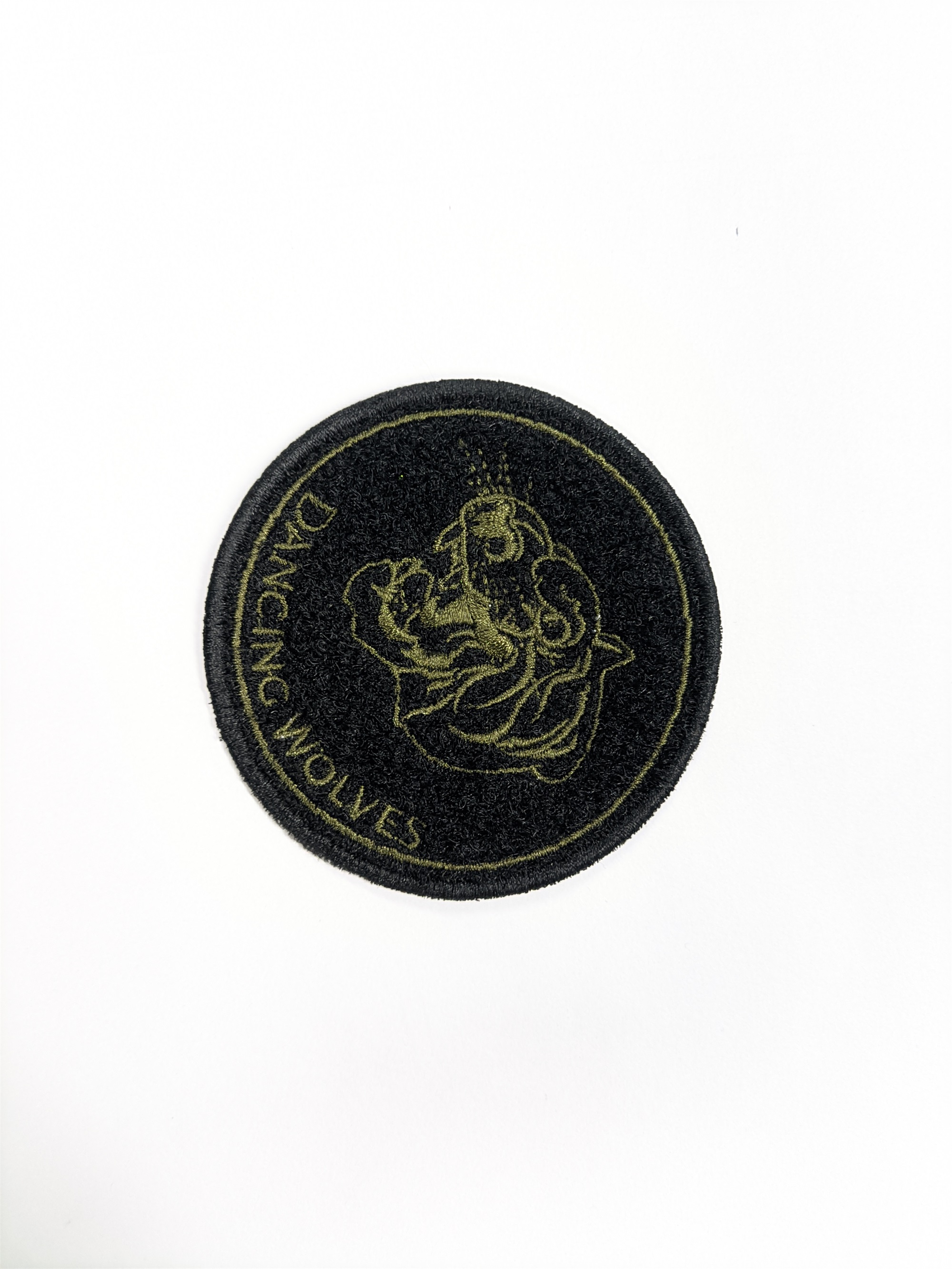
3. Key Characteristics Comparison
To better understand the differences between laser cut and merrow borders, let’s start with a detailed comparison of their core characteristics. The table below outlines their key features, production processes, and aesthetic qualities.
| Feature | Laser Cut Borders | Merrow Borders |
|---|---|---|
| Cutting/Finishing Method | High-intensity laser beam cuts and heat-seals edges simultaneously | Specialized merrow machine sews a looped overlock stitch around folded fabric edges |
| Edge Appearance | Smooth, flat, seamless; sharp, precise edges; no visible stitching | Rounded, wrapped; visible looped stitching; slight bulk |
| Texture | Flat, sleek; no tactile texture from the border | 3D, tactile; looped stitching creates a raised texture |
| Production Process | Fully automated; digital design-guided; fast turnaround | Semi-automated; requires skilled operators; slower than laser cutting |
| Bulk | Minimal to no bulk; lies flat against the fabric | Slight bulk from folded fabric and stitching |

4. Durability and Fray Resistance
Durability is a critical factor when choosing a border, especially for products that will be subjected to frequent wear, washing, or harsh conditions. The way each border type handles fraying and wear varies significantly, making them suitable for different use cases.
Laser cut borders rely on heat-sealing to prevent fraying. When the laser cuts through synthetic fabrics, the heat melts the fibers, which then re-solidify to form a sealed edge. This creates a fray-resistant finish that works well for light to moderate use. However, if the laser settings are incorrect or the fabric is not fully synthetic, the heat seal may be incomplete, leading to fraying over time.
Additionally, laser cut borders are more susceptible to damage from extreme heat or abrasion. The sealed edge can crack or peel if exposed to high temperatures (such as ironing on high heat) or repeated rubbing. This makes them less ideal for heavy-duty products that will undergo frequent washing or rough use.
Merrow borders, on the other hand, are known for their exceptional durability. The looped overlock stitch wraps around the fabric edge, holding the fibers in place and preventing fraying even with heavy use. The stitching adds a layer of reinforcement, making the border resistant to tearing and wear.
Merrow borders are particularly well-suited for products that require frequent washing, such as towels, workwear, and outdoor gear. The stitching does not weaken over time, and the folded fabric edge provides extra protection against fraying. Even if the stitching becomes slightly loose, the folded edge still helps to keep the fabric intact.
5. Fabric Compatibility
Not all borders work well with all fabrics. The compatibility of laser cut and merrow borders with different fabric types is another key factor to consider, as it can affect the quality of the finish and the durability of the product. The table below highlights which fabrics are best suited for each border type.
| Fabric Type | Laser Cut Borders | Merrow Borders |
|---|---|---|
| Synthetic Fabrics (Polyester, Nylon, PVC) | Ideal; heat-seals effectively; clean finish; no fraying | Compatible; stitching adheres well; provides good reinforcement |
| Natural Fabrics (Cotton, Linen, Wool) | Not ideal; heat-sealing is ineffective; fibers fray easily | Ideal; stitching prevents fraying; works well with woven fibers |
| Blended Fabrics (Cotton-Polyester, Linen-Nylon) | Compatible if synthetic content is high (≥50%); mixed results otherwise | Ideal; works well with most blends; provides reliable reinforcement |
| Thick/Heavy Fabrics (Canvas, Denim, Terry Cloth) | Difficult; laser may not cut cleanly; heat-seal may be uneven | Ideal; stitching handles thick fabric easily; reinforces heavy use |
| Lightweight/Delicate Fabrics (Chiffon, Silk, Light Cotton) | Ideal; minimal bulk; clean finish; no damage to delicate fibers | Compatible but requires care; stitching may add too much bulk |
Laser cut borders work best with synthetic fabrics because they respond well to heat-sealing. Synthetic fibers melt at lower temperatures than natural fibers, allowing the laser to create a smooth, sealed edge. Natural fabrics like cotton and linen do not melt when exposed to heat; instead, they burn or char, resulting in a messy, fray-prone edge. For this reason, laser cut borders are rarely used on 100% natural fabrics.
Merrow borders, by contrast, are compatible with almost all fabric types. They work particularly well with natural and thick fabrics, as the stitching reinforces the fibers and prevents fraying. For lightweight or delicate fabrics, merrow borders can be used but may require a smaller stitch size to avoid adding too much bulk or damaging the fabric.
6. Design Flexibility and Aesthetics
The aesthetic of your product is another important consideration, and each border type offers distinct design possibilities. Laser cut borders are prized for their modern, sleek appearance and high precision, while merrow borders are favored for their classic, textured look.
Laser cut borders offer unmatched design flexibility. The laser’s precision allows for intricate shapes, sharp angles, and micro-details that cannot be achieved with merrow stitching. This makes them ideal for custom designs, asymmetrical borders, and complex patterns. Laser cut borders also have a seamless finish, with no visible stitching, which can help the design stand out without distraction.
The flat, sleek appearance of laser cut borders is perfect for modern, minimalist designs. They work well for apparel logos, custom patches, and accessories where a clean, professional look is desired. The lack of bulk also makes them suitable for products that need to be lightweight or adhere smoothly to other surfaces.
Merrow borders, on the other hand, have a more traditional, handcrafted aesthetic. The visible looped stitching adds a decorative element to the design, creating a 3D texture that is both tactile and visually appealing. Merrow borders are often associated with classic products like towels, workwear, and vintage-style patches.
However, merrow borders have limited design flexibility compared to laser cut borders. The stitching process works best with simple, rounded, or basic geometric shapes. Sharp angles and intricate details are difficult to achieve with merrow stitching, as the looped stitch tends to round off edges. This makes merrow borders better suited for simple, timeless designs rather than complex, custom ones.
7. Production Cost and Timeline
For businesses and manufacturers, production cost and timeline are critical factors. The two border types differ significantly in terms of upfront investment, labor costs, and production speed.
Laser cut borders require a higher upfront investment in equipment, as laser cutting machines are more expensive than merrow machines. However, the process is fully automated, requiring minimal labor. Once the digital design is input into the machine, it can cut and seal borders quickly and efficiently, with consistent results.
This automation makes laser cut borders more cost-effective for large batches or custom orders with quick turnaround times. The lack of manual labor also reduces the risk of human error, ensuring that each border is consistent in size and shape.
Merrow borders, by contrast, have a lower upfront equipment cost. Merrow machines are less expensive than laser cutting machines, making them more accessible for small businesses or startups. However, the process is semi-automated and requires skilled operators to guide the fabric and adjust the machine settings.
The need for skilled labor increases the production cost of merrow borders, especially for large batches. Additionally, merrow stitching is slower than laser cutting, as each border must be sewn individually. This can extend the production timeline, making merrow borders less ideal for orders with tight deadlines.
8. Ideal Applications
To summarize, the choice between laser cut and merrow borders depends on your specific needs. The table below outlines the ideal applications for each border type, helping you make the right decision for your product.
| Product Type | Recommended Border Type | Reasoning |
|---|---|---|
| Custom Patches (Synthetic Fabric) | Laser Cut Borders | Precision cutting for custom shapes; sleek, flat finish; heat-sealed edges prevent fraying |
| Towels & Terry Cloth Products | Merrow Borders | High durability; stitching prevents fraying from frequent washing; textured look enhances design |
| Lightweight Apparel (T-Shirts, Blouses) | Laser Cut Borders | Minimal bulk; seamless finish; no visible stitching to distract from the design |
| Workwear & Outdoor Gear | Merrow Borders | Exceptional durability; resistant to wear and fraying; handles heavy use and harsh conditions |
| Delicate Accessories (Scarves, Hats) | Laser Cut Borders | Minimal bulk; clean finish; no damage to delicate fabrics |
| Classic Embroidered Products | Merrow Borders | Traditional, handcrafted aesthetic; visible stitching adds decorative element |
9. Conclusion
In conclusion, laser cut borders and merrow borders each have their own unique strengths and weaknesses, making them suitable for different applications. Laser cut borders excel in precision, design flexibility, and a modern, sleek appearance, making them ideal for synthetic fabrics, custom designs, and lightweight products. They offer fast production times and minimal bulk, but are less durable and not suitable for natural or thick fabrics.
Merrow borders, on the other hand, are the gold standard for durability, fray resistance, and a classic, textured look. They work well with all fabric types, especially natural and thick fabrics, and are ideal for heavy-duty products that require frequent use and washing. While they have limited design flexibility and higher labor costs, their timeless aesthetic and exceptional durability make them a popular choice for many industries.
When choosing between the two, ask yourself the following questions: What type of fabric am I using? How will the product be used? What aesthetic do I want to achieve? What is my budget and production timeline? By answering these questions, you can select the border type that best meets your needs and ensures a high-quality, long-lasting product.
Ultimately, there is no “better” border type—only the one that is better suited for your specific project. Whether you choose laser cut borders for their modern precision or merrow borders for their classic durability, both options can help you create a polished, professional finish that enhances your product’s design and functionality.
Perfect Iron On Patches in Easy Steps
Silicone Heat Transfer Labels: All You Need to Know



