

Making Custom Patches: Types, Processes, and Key Differences
2026-04-11
📋 Table of Contents
- Main Title
- 1. Introduction to Custom Patches: Why They Matter
- 2. Core Types of Custom Patches: Key Differences
- 3. Differences in Production Processes
- 4. Backing Types & Functional Differences
- 5. Material Differences
- 6. Differences in Durability, Cost & Application Scenarios
- 7. Conclusion: Choosing the Right Custom Patch for Your Needs
Custom patches have become a versatile and popular way to add personality, branding, or identification to clothing, accessories, uniforms, and more.
Whether you’re a business looking to boost brand recognition, a hobbyist wanting to personalize your gear, or an organization aiming to unify your team, understanding the different types of custom patches and how they’re made is essential.
Not all custom patches are created equal—their materials, production processes, and features vary widely, making some better suited for specific needs than others. In this guide, we’ll break down the key differences in making custom patches, from types and materials to processes and applications, with easy-to-reference tables to help you choose the perfect patch for your project.
1. Introduction to Custom Patches: Why They Matter
Custom patches are more than just decorative accents. They serve a variety of practical and aesthetic purposes, from identifying members of a sports team or military unit to promoting a brand or commemorating a special event. The right patch can elevate a simple item into something unique, while the wrong choice might lead to disappointment—whether it’s a patch that fades quickly, doesn’t hold up to wear, or fails to capture your desired design.
The differences in making custom patches stem from four core factors: the type of patch, the materials used, the production process, and the backing method. By understanding these differences, you can make an informed decision that aligns with your budget, design goals, and intended use. Let’s start with the most fundamental distinction: the types of custom patches available.
2. Core Types of Custom Patches: Key Differences
There are five main types of custom patches, each with its own unique features, production methods, and ideal use cases. The choice between them often comes down to your design complexity, desired texture, durability needs, and budget. Below is a detailed breakdown of each type, followed by a comparison table to highlight their key differences.
2.1 Embroidered Patches
Embroidered patches are the most traditional and popular type of custom patch. They are made by stitching thread onto a base fabric, creating a raised, 3D texture that adds depth and dimension to the design. Embroidered patches are known for their classic look and durability, making them a favorite for uniforms, jackets, and hats.
The making of embroidered patches focuses on stitch density, thread color accuracy, and the size of the embroidery area. Thicker threads and higher stitch density create a more pronounced 3D effect, but they can also make ultra-fine details (like small text or intricate patterns) harder to reproduce.
2.2 Woven Patches
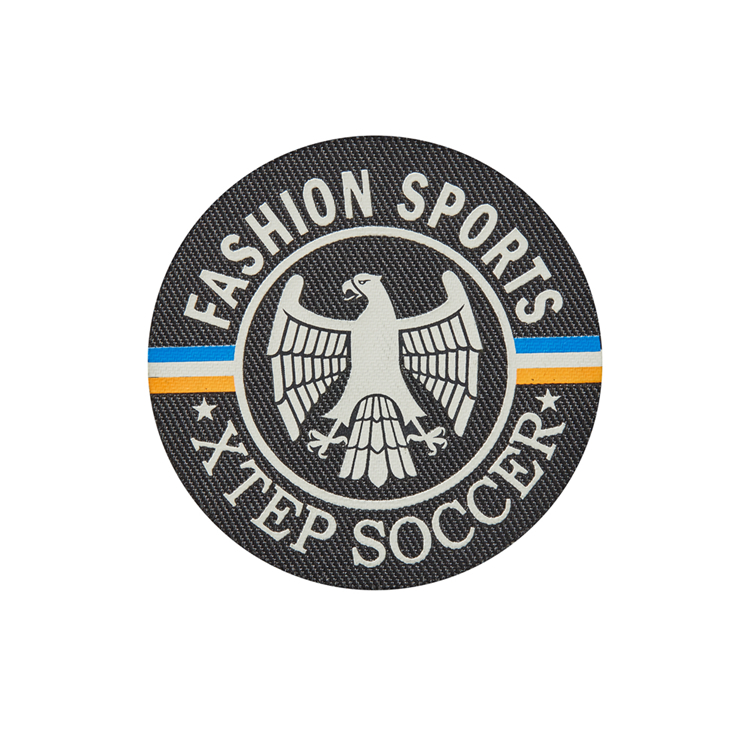
Woven patches are similar to embroidered patches but use a different stitching method. Instead of raised threads, woven patches are created by weaving yarns together on a loom, resulting in a flat, smooth surface with incredibly clear, fine details. They are ideal for designs with small text, complex logos, or gradient colors.
The production of woven patches emphasizes woven density and yarn color matching. Because the yarns are woven tightly together, woven patches are thinner than embroidered patches and can capture details that embroidered patches cannot—making them perfect for high-end branding or intricate designs.
2.3 PVC/Rubber Patches
PVC (polyvinyl chloride) or rubber patches are made from flexible, waterproof material that is molded into shape. They are known for their durability, resistance to water and wear, and 3D molded effect. PVC patches are often used for outdoor gear, work uniforms, and items that need to withstand harsh conditions.
Making PVC patches involves creating a mold of the design, injecting colored PVC into the mold, and allowing it to cool and set. The process allows for bold colors, 3D raised elements, and a smooth, rubbery texture. Unlike embroidered or woven patches, PVC patches are fully waterproof and can be made in any shape or size.
2.4 Leather Patches
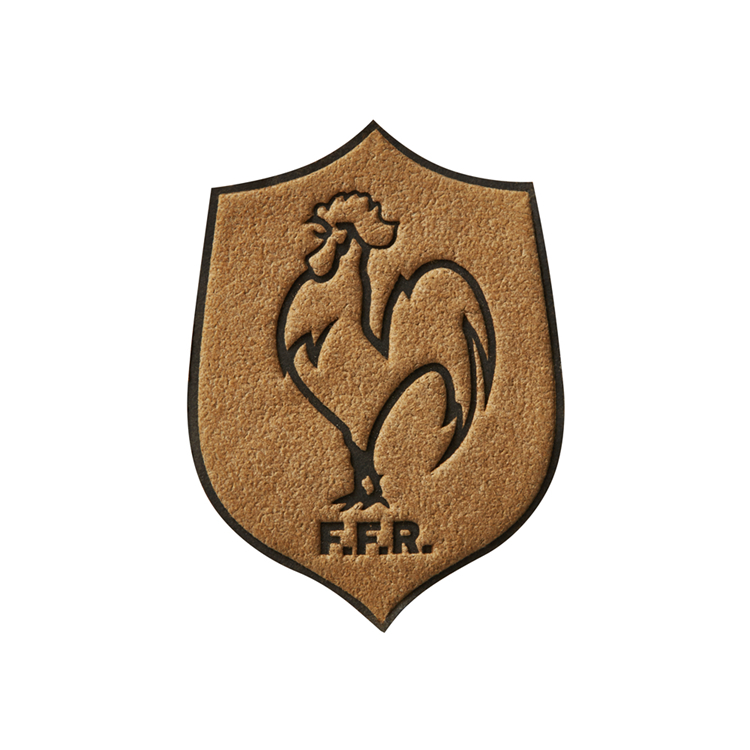
Leather patches offer a retro, high-end look and feel, making them popular for jeans, jackets, and luxury accessories. They are made from either genuine leather or eco-friendly synthetic leather (like microfiber leather) and can be customized with embossing, printing, or laser engraving.
The production of leather patches focuses on cutting the leather to size, adding design elements (such as embossed logos or engraved text), and finishing the edges to prevent fraying. Genuine leather patches have a natural, unique texture, while synthetic leather patches are more affordable and consistent in appearance.
2.5 Printed Patches
Printed patches are the most versatile option for full-color, complex designs. They are made by printing a design directly onto a fabric base (usually twill or felt) using digital printing or heat transfer technology. Printed patches can reproduce photo-like images, gradients, and intricate details with ease.

The making of printed patches involves digitizing the design, printing it onto the fabric, and applying a protective coating to prevent fading. They are cost-effective for large quantities or designs with many colors, but they lack the texture of embroidered or woven patches and are less durable than PVC or leather patches.
|
Patch Type
|
Key Features
|
Design Suitability
|
Texture
|
|---|---|---|---|
|
Embroidered
|
Raised 3D effect, durable, classic look
|
Simple to moderate designs; not ideal for ultra-fine details
|
Thick, textured
|
|
Woven
|
Flat, clear details, thin
|
Complex designs, small text, gradients
|
Smooth, tight weave
|
|
PVC/Rubber
|
Waterproof, flexible, 3D molded
|
Bold designs, 3D elements, any shape
|
Smooth, rubbery
|
|
Leather
|
Retro, high-end, natural (genuine) or synthetic
|
Simple logos, text, embossed designs
|
Rough (genuine) or smooth (synthetic)
|
|
Printed
|
Full-color, photo-like, cost-effective
|
Complex, multi-color, detailed images
|
Flat, smooth
|
3. Differences in Production Processes
The production process for custom patches varies significantly by type, and these differences directly impact the final product’s look, feel, and durability. Each process has its own steps, equipment, and focus areas. Below, we break down the key stages of production for each patch type and compare their processes in a table.
3.1 Design & Digitalization Stage
Before production begins, every custom patch starts with a design. The digitalization process (converting the design into a format the production equipment can use) differs by patch type:
- Embroidered patches require digitizing the design into a stitch file, which tells the embroidery machine how many stitches to use, what color thread to use, and where to place each stitch.
- Woven patches need a loom pattern design, which maps out how the yarns will be woven together to create the design.
- PVC/Rubber patches require a 3D mold design, which is used to create the mold that the PVC will be injected into.
- Leather patches often use vector designs for cutting and embossing, ensuring clean lines and precise details.
- Printed patches use high-resolution digital files (like PNG or JPG) to ensure the printed design is clear and accurate.
3.2 Forming Method
The forming method is the core of the production process, and it’s what distinguishes each patch type:
- Sewing & Stitching: Embroidered and woven patches are formed using stitching or weaving equipment. Embroidery machines stitch thread onto a base fabric, while looms weave yarns together to create the patch.
- Molding & Casting: PVC and rubber patches are formed by injecting melted PVC into a mold, which is then cooled and removed to create the final patch shape.
- Printing & Pressing: Printed patches are formed by printing the design onto a fabric base and then pressing it to set the ink and add a protective coating.
- Cutting & Embossing: Leather patches are formed by cutting the leather to size and then adding design elements (like embossing or engraving) using specialized equipment.
3.3 Edge & Finishing Differences
The edge of a patch not only affects its appearance but also its durability. Different patch types use different edge finishing methods:
- Merrowed Border: A common finish for embroidered patches, where the edge is stitched with a special merrow machine to create a smooth, rounded edge that prevents fraying.
- Heat-Cut Border: Used for woven, printed, and some PVC patches, where the edge is cut with a heat tool to seal the fabric or material and prevent fraying.
- Stitched Border: A simple stitched edge used for some embroidered and woven patches, offering a clean, classic look.
- Molded Edge: Unique to PVC patches, where the edge is part of the mold, creating a smooth, seamless edge that matches the patch’s shape.
|
Patch Type
|
Digitalization Step
|
Forming Method
|
Common Edge Finish
|
|---|---|---|---|
|
Embroidered
|
Stitch file digitization
|
Sewing & stitching
|
Merrowed or stitched border
|
|
Woven
|
Loom pattern design
|
Weaving
|
Heat-cut or stitched border
|
|
PVC/Rubber
|
3D mold design
|
Molding & casting
|
Molded edge
|
|
Leather
|
Vector design for cutting/embossing
|
Cutting & embossing/engraving
|
Cut edge (finished to prevent fraying)
|
|
Printed
|
High-resolution digital file
|
Printing & pressing
|
Heat-cut border
|
4. Backing Types & Functional Differences
Another key difference in making custom patches is the backing method, which determines how the patch is attached to clothing or accessories. The right backing depends on your intended use—whether you need a permanent attachment, a temporary one, or something reusable. Below are the most common backing types and their differences.
- Sew-On Backing: The most basic and durable backing type. Sew-on patches require stitching the patch onto the item, making them permanent and ideal for items that will be washed frequently (like uniforms or jackets).
- Iron-On Backing: A convenient option that uses heat-activated adhesive. Iron-on patches can be attached by pressing them with a hot iron, making them easy to apply without sewing. However, they are less durable than sew-on patches and may peel off after repeated washes.
- Adhesive Backing: A temporary backing with peel-and-stick adhesive. Adhesive patches are easy to apply and remove, making them perfect for temporary use (like promotional items or event souvenirs).
- Velcro Backing: Consists of two parts—one attached to the patch and one attached to the item. Velcro patches are removable and reusable, making them ideal for items that need to be customized or updated (like military uniforms or gear).
- Magnetic Backing: Uses a small magnet to attach the patch to metal surfaces (like refrigerators or toolboxes). Magnetic patches are temporary and easy to move, but they are not suitable for clothing.
|
Backing Type
|
Attachment Method
|
Durability
|
Ideal Use Case
|
|---|---|---|---|
|
Sew-On
|
Stitching
|
High (permanent)
|
Uniforms, jackets, frequent wash items
|
|
Iron-On
|
Heat-activated adhesive
|
Medium (semi-permanent)
|
Casual clothing, one-time use items
|
|
Adhesive
|
Peel-and-stick
|
Low (temporary)
|
Promotional items, event souvenirs
|
|
Velcro
|
Velcro fastener
|
Medium (reusable)
|
Military gear, customizable items
|
|
Magnetic
|
Magnet
|
Low (temporary)
|
Metal surfaces (refrigerators, toolboxes)
|
5. Material Differences
The materials used to make custom patches play a major role in their appearance, durability, and cost. Different patch types use different base materials, threads, or substrates, and these differences can impact everything from the patch’s texture to its resistance to wear and tear. Below is a breakdown of the key material differences.
5.1 Thread & Yarn Materials
Embroidered and woven patches rely on threads or yarns, which come in two main types:
- Polyester: The most common material for embroidery and woven patches. Polyester thread is durable, colorfast, and resistant to fading and shrinking, making it ideal for items that will be washed frequently.
- Cotton: A natural material that offers a softer, more traditional look. Cotton thread is less durable than polyester and may fade or shrink over time, making it better for decorative patches that won’t be washed often.
5.2 Base Fabrics
Embroidered, woven, and printed patches use a base fabric to support the design:
- Twill: The most common base fabric. Twill is durable, thick, and has a diagonal weave, making it ideal for embroidery and woven patches.
- Felt: A soft, fuzzy fabric that is often used for printed patches or simple embroidered patches. Felt is affordable but less durable than twill.
- Fabric Base (Custom): Some patches use custom base fabrics, like cotton or polyester blends, to match the item they will be attached to.
5.3 Patch Materials (Non-Fabric)
PVC, rubber, and leather patches use non-fabric materials:
- PVC/TPU: Flexible, waterproof materials used for PVC patches. TPU (thermoplastic polyurethane) is a more eco-friendly alternative to PVC.
- Leather: Genuine leather (from animal hides) or synthetic leather (like microfiber leather or PU leather). Genuine leather is more expensive but offers a natural, high-end texture, while synthetic leather is more affordable and consistent.
5.4 Environmental vs. Standard Materials
Many manufacturers now offer eco-friendly options for custom patches, including recycled polyester thread, organic cotton, and biodegradable PVC alternatives. These materials are more sustainable but may come at a higher cost than standard materials.
|
Patch Type
|
Key Materials
|
Sustainability Options
|
Material Cost
|
|---|---|---|---|
|
Embroidered
|
Polyester/cotton thread, twill base
|
Recycled polyester thread, organic cotton
|
Medium
|
|
Woven
|
Polyester/cotton yarn, twill base
|
Recycled polyester yarn
|
Medium-High
|
|
PVC/Rubber
|
PVC, TPU
|
Biodegradable TPU
|
Medium
|
|
Leather
|
Genuine leather, synthetic leather
|
Vegan synthetic leather, recycled leather
|
High
|
|
Printed
|
Digital ink, twill/felt base
|
Eco-friendly ink, recycled base fabric
|
Low-Medium
|
6. Differences in Durability, Cost & Application Scenarios
When choosing a custom patch, three practical factors often come into play: durability, cost, and application scenario. These factors are closely tied to the patch type, materials, and production process, and understanding their differences will help you choose the right patch for your needs.
6.1 Durability
Durability refers to how well the patch holds up to wear, washing, and environmental conditions. The durability of a patch depends on its materials and production process:
- PVC/Rubber Patches: The most durable, as they are waterproof, flexible, and resistant to fading, tearing, and wear. They are ideal for outdoor gear, work uniforms, and items that are exposed to harsh conditions.
- Woven Patches: Very durable, with a tight weave that resists fraying and fading. They hold up well to frequent washing and wear.
- Embroidered Patches: Durable, but the raised threads may fray or wear over time if not properly finished (like with a merrowed border).
- Printed Patches: The least durable, as the ink may fade or peel off after repeated washes or exposure to sunlight.
- Leather Patches: Durable, but genuine leather may age and develop a patina over time, which some people find desirable, while synthetic leather may crack or peel with heavy use.
6.2 Cost
The cost of custom patches varies based on the type, materials, design complexity, and quantity. Below is a general cost breakdown (from highest to lowest):
- Complex Embroidery/Leather Patches: The most expensive, due to the labor-intensive production process and high-quality materials (especially genuine leather).
- Woven Patches: More expensive than printed or simple PVC patches, due to the precision weaving process.
- Printed Patches: Cost-effective, especially for large quantities or complex, multi-color designs, as the printing process is less labor-intensive.
- Simple PVC Patches: The most affordable, especially for large quantities, as the molding process is efficient once the mold is created.
6.3 Application Scenarios
Different patch types are better suited for different uses, based on their durability, texture, and appearance:
- Clothing & Fashion: Embroidered, woven, and leather patches are ideal for jackets, jeans, hats, and other fashion items, as they add texture and style.
- Outdoor & Work Uniforms: PVC and woven patches are best, as they are durable and resistant to water and wear.
- Hats & Bags: All patch types work, but embroidered and PVC patches are popular for their 3D effect and durability.
- Promotional Gifts: Printed and woven patches are cost-effective for large quantities, making them perfect for promotional items like t-shirts, backpacks, and keychains.
- Military & Law Enforcement: Velcro-backed embroidered or PVC patches are ideal, as they are removable and durable.
|
Patch Type
|
Durability (1-5, 5=Highest)
|
Cost (1-5, 5=Highest)
|
Top Application Scenarios
|
|---|---|---|---|
|
Embroidered
|
4
|
4
|
Uniforms, jackets, hats, fashion
|
|
Woven
|
4.5
|
4
|
High-end branding, complex designs, uniforms
|
|
PVC/Rubber
|
5
|
3
|
Outdoor gear, work uniforms, waterproof items
|
|
Leather
|
4
|
5
|
Jeans, jackets, luxury accessories
|
|
Printed
|
2
|
2
|
Promotional gifts, complex multi-color designs
|
7. Conclusion: Choosing the Right Custom Patch for Your Needs
Making custom patches is a nuanced process, with each type offering unique benefits and drawbacks. The key to choosing the right patch is to consider your design goals, budget, durability needs, and intended use. To summarize the core differences:
- Choose embroidered patches for a classic, 3D look and moderate durability.
- Choose woven patches for complex designs, fine details, and high durability.
- Choose PVC/rubber patches for waterproof, flexible, and highly durable applications.
- Choose leather patches for a retro, high-end look.
- Choose printed patches for full-color, complex designs and cost-effectiveness.
By understanding these differences, you can work with a custom patch manufacturer to create a product that meets your exact needs—whether you’re branding a business, personalizing your gear, or unifying a team. Remember to also consider the backing type and materials to ensure your patch is not only visually appealing but also functional and long-lasting.
No matter what type of custom patch you choose, the end result will be a unique, eye-catching accent that adds value and personality to any item. With the right knowledge and planning, making custom patches can be a simple and rewarding process.
PEPHAWK is proud to highlight our integrated one-stop service—seamlessly combining professional design, R&D, and manufacturing capabilities to deliver cohesive, end-to-end solutions for our valued clients.
Our core product range covers a diverse selection of high-quality accessories and silicone-based items, including:
- Garment Accessories: Silicone Labels, Micro Fiber Labels, TPU Labels, Leather Labels
- Electronic & Lifestyle Gadgets: Silicone Mobile Phone Skins, Silicone MP3 Skins, Silicone Chaplets, Silicone Bracelets
Beyond our core offerings, we also connect clients with complementary products through our trusted affiliated companies, ensuring all your needs are met under one partnership.
What sets us apart is our specialized expertise in key manufacturing processes: Silk Screen Printing, High-Frequency Welding, Sublimation Printing, Seamless Fabric Processing, and Laser Cutting. These capabilities allow us to serve a wide array of industries—from garments, shoes, caps, and gloves to electronic devices, bags, and sporting equipment—with products that blend durability, functionality, and aesthetic appeal.
At PEPHAWK, customer satisfaction is our top priority. We’re committed to providing responsive, thorough support, and guarantee a same-day response to all inquiries—no exceptions. You can rely on us for consistent quality, reliable delivery, and a partnership that’s as efficient as it is trustworthy.
Whether you’re looking for custom apparel labels, protective silicone skins, or tailored manufacturing solutions, PEPHAWK has the expertise and flexibility to bring your vision to life.
Key Differences Between Iron-On Logo Types for Shirts
Vinyl Printing: Uncovering Its Comparative Advantages




SEND MESSAGE