

Luxury Designer Patches – Elevating Fashion with Exclusivity and Craftsmanship
2026-01-21
Table of Contents
- Core Values of Luxury Designer Patches
- Classification of Luxury Designer Patches by Craftsmanship
- Applications of Luxury Designer Patches in High-End Fashion
- How to Select & Integrate Luxury Designer Patches for Brand Success
- Current Trends & Future Outlook of Luxury Designer Patches
- Case Studies: Luxury Brands Excelling with Designer Patches
- Conclusion
Designer patches have become a key driver of consumer engagement. They cater to a growing demand for personalized, meaningful products
Luxury designer patches are far more than mere decorative elements; they are tangible expressions of craftsmanship, exclusivity, and brand identity. Unlike mass-produced patches, these high-end adornments blend premium materials with artisanal techniques, transforming ordinary garments and accessories into statement pieces.
Their evolution is a testament to fashion’s shifting values. Once used purely to repair worn clothing, patches have evolved into coveted luxury accents. Today, they serve as a bridge between functionality and art, offering brands a unique way to differentiate themselves in a crowded market.
Core Values of Luxury Designer Patches
Uncompromising material quality is the foundation of luxury designer patches. Brands spare no expense in sourcing materials that exude premiumness, from soft silk threads to lush cashmere blends and organic cotton. These textiles not only feel luxurious to the touch but also ensure durability, standing the test of time.
Embellishments further elevate their allure. Metallic threads add a subtle shimmer, while Swarovski crystals and genuine leather introduce texture and opulence. In recent years, sustainability has become a priority, with brands adopting recycled gold threads, upcycled leather, and eco-friendly dyes to align with conscious consumer values.
Artisanal craftsmanship and design exclusivity set luxury patches apart from mass-market alternatives. Many are hand-embroidered using time-honored techniques like satin stitch, chain stitch, and French knot, each stitch reflecting the skill of master craftsmen. This labor-intensive process ensures that no two patches are identical, adding to their exclusivity.
Customization is another hallmark of luxury patches. High-end brands collaborate with artisans to create bespoke logos, monograms, and limited-edition motifs that align with their aesthetic. Some even partner with renowned artists, infusing patches with artistic value that transcends fashion.
Luxury patches are powerful tools for brand storytelling. They reinforce brand heritage by incorporating heraldic symbols, vintage-inspired designs, or iconic motifs that trace back to the brand’s origins. Limited-edition patches, in particular, become collector’s items, fostering a sense of loyalty among consumers.
Versatility and long-term value further enhance their appeal. A single luxury patch can transform a basic denim jacket or tote bag into a high-fashion piece. Their reusability also extends the lifecycle of luxury apparel, allowing consumers to refresh their wardrobe without purchasing entirely new items.
Classification of Luxury Designer Patches by Craftsmanship
Hand-embroidered patches are the epitome of luxury. Characterized by intricate details, tactile texture, and meticulous attention to detail, they require hours of skilled labor to create. Each stitch is carefully placed, resulting in a piece that feels alive with texture and depth.
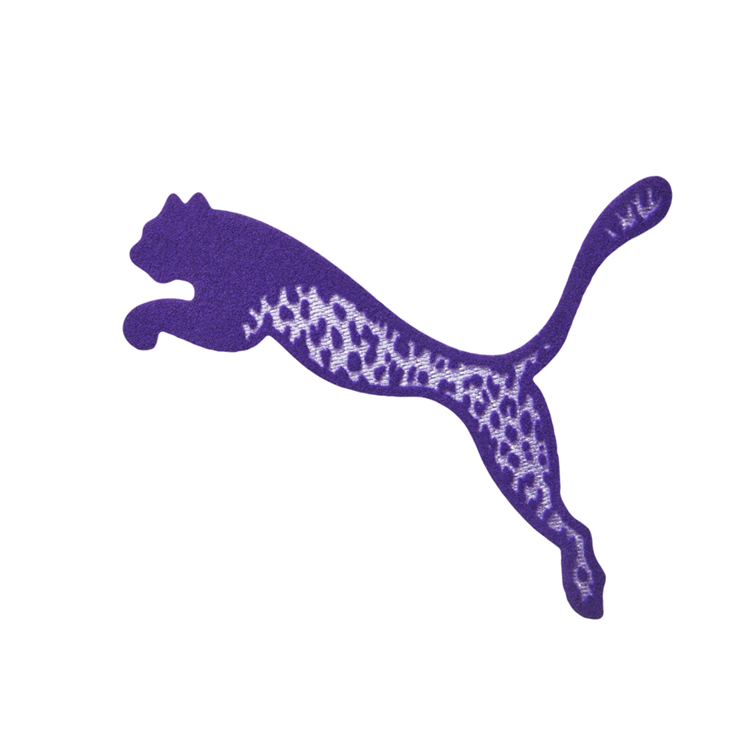
These patches are ideal for haute couture, formal wear, and luxury accessories. They add a touch of elegance to evening gowns, tailored suits, and high-end handbags, appealing to consumers who value artistry over speed.
Metal-cast patches offer a sleek, modern alternative. Crafted from premium metals like brass, silver, or gold-plated alloys, they boast a polished finish, durability, and 3D dimensionality. Their structured design makes them a popular choice for edgier luxury lines.
Leather goods, denim jackets, and military-inspired luxury collections often feature metal-cast patches. They add a bold, industrial flair while maintaining a sense of premiumness, balancing toughness with refinement.
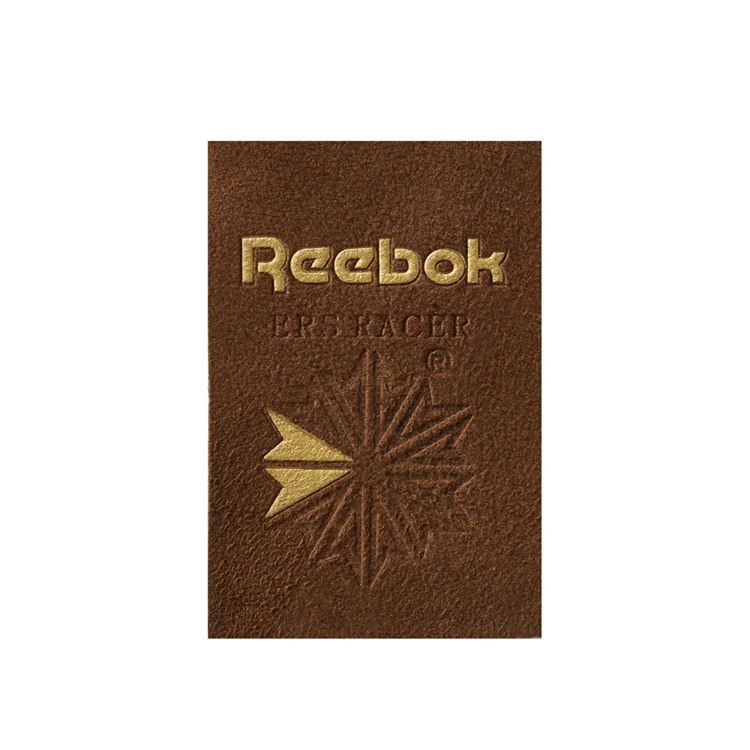
Leather-engraved and embossed patches embody sophisticated minimalism. Made from genuine leather, they showcase the material’s natural grain, with engraved or embossed designs that add subtle detail without overwhelming the piece. Their soft touch and timeless aesthetic make them a staple in luxury fashion.
These patches are commonly used on luxury bags, tailored blazers, and equestrian wear. They complement the clean lines of these items, enhancing their elegance without sacrificing simplicity.
3D-printed luxury patches represent the intersection of technology and craftsmanship. Using advanced 3D printing techniques, brands create patches with precise detailing, innovative shapes, and lightweight structures. They offer endless design possibilities, from geometric patterns to intricate motifs.
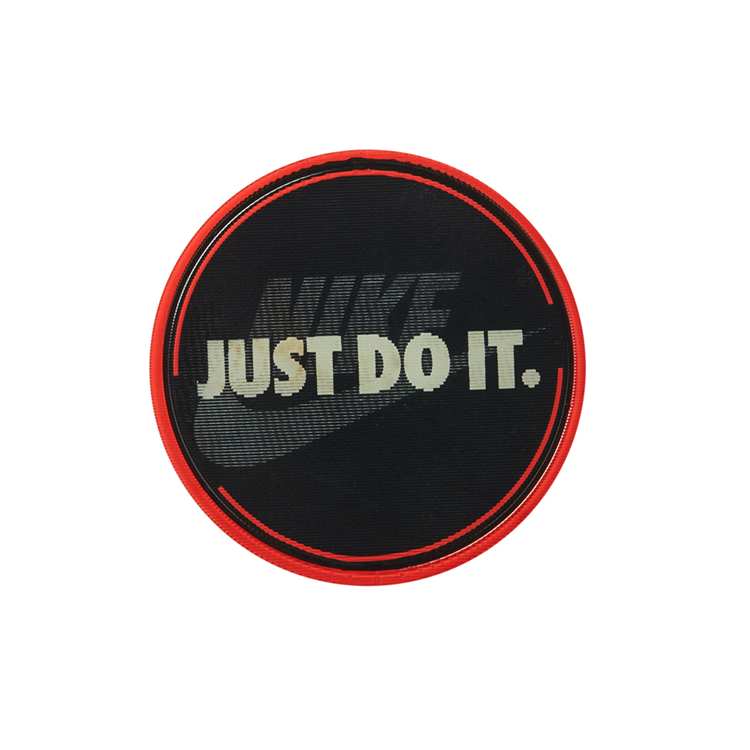
Futuristic luxury collections and tech-integrated fashion often feature 3D-printed patches. They cater to forward-thinking consumers who appreciate innovation, proving that luxury can embrace modern technology.
Applications of Luxury Designer Patches in High-End Fashion
Luxury ready-to-wear (RTW) clothing is a primary canvas for designer patches. Denim and outerwear, such as jackets, coats, and vests, are popular choices, as patches add personality to these wardrobe staples. A hand-embroidered patch on a denim jacket can elevate it from casual to luxury.
Formal and evening wear also benefit from luxury patches. Subtle metallic or silk-embroidered patches on gowns, suits, and tuxedos add a touch of glamour without overshadowing the garment’s design. They offer a unique way to stand out at special events.
Premium accessories are another key application area. Luxury bags, wallets, and luggage often feature patches as a branding element, with monogrammed leather patches becoming iconic for brands like Louis Vuitton. Patches also add character to hats, scarves, and gloves, turning everyday accessories into statement pieces.
Footwear, including designer sneakers, boots, and loafers, has embraced luxury patches. A small, intricate patch on a sneaker can transform it into a limited-edition item, appealing to sneakerheads and luxury consumers alike. Boots and loafers, meanwhile, use leather or metal patches to enhance their durability and style.
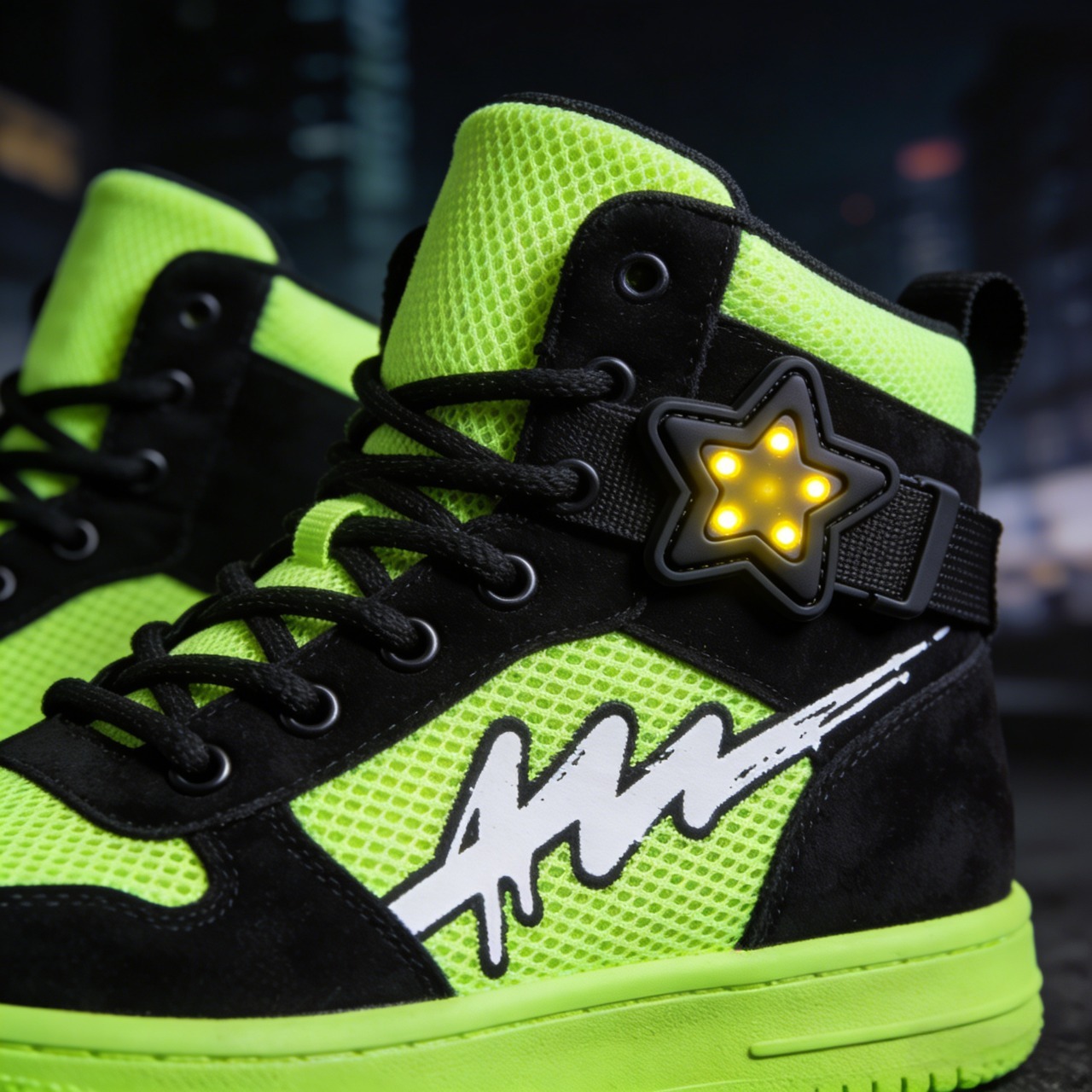
Custom luxury goods and personalized services rely heavily on designer patches. Bespoke monogram patches cater to private clients, allowing them to add a personal touch to their garments and accessories. Limited-edition collaboration patches, between brands and artists or celebrities, create buzz and drive demand.
Luxury home textiles and lifestyle products are also joining the trend. Decorative patches on throw pillows, blankets, and upholstery add a fashion-forward touch to interior design. Branded patches on luxury travel gear, such as robes and luggage tags, extend the brand experience beyond clothing.
How to Select & Integrate Luxury Designer Patches for Brand Success
|
Key Consideration
|
Core Guidelines
|
Examples
|
|---|---|---|
|
Aligning with Brand Identity
|
Match brand color palettes, motifs & aesthetic language
|
Chanel’s subtle metal patches for timeless sophistication
|
|
Balancing Subtlety & Boldness
|
Tailor to target audience’s preference
|
Bold designs for younger consumers; understated styles for mature groups
|
|
Craftsmanship & Material Compatibility
|
Pair patch material with garment fabric
|
Leather with denim/leather goods; silk embroidery with silk/chiffon
|
|
Durability
|
Choose materials based on product usage frequency
|
Metal/leather for high-use items (bags, footwear); silk embroidery for less frequent wear
|
|
Authenticity & IP Protection
|
Add anti-counterfeiting features; comply with licensing regulations
|
Hidden logos, serial numbers, QR codes for luxury brands
|
|
Strategic Placement
|
Use popular positions; mix patches for personalized looks
|
Chest, sleeve, back, pocket placements; multiple patches for individuality
|
Current Trends & Future Outlook of Luxury Designer Patches
Sustainable luxury is a dominant trend in 2026. Brands are increasingly using upcycled materials, zero-waste production methods, and eco-friendly dyes for patches. Recycled gold threads, upcycled leather, and organic cotton are becoming standard, catering to conscious consumers who prioritize sustainability.
Nostalgic revival is another key trend. Vintage-inspired patches, featuring retro motifs, faded colors, and classic embroidery techniques, are appearing in retro-luxury collections. They tap into consumers’ longing for the past, blending nostalgia with modern luxury.
Hyper-personalization is on the rise, with AI-generated custom patch designs gaining traction. Brands use AI to create unique patches based on consumer preferences, allowing for one-of-a-kind pieces that reflect individual style.
Future innovations will focus on smart patches. NFC-enabled patches allow consumers to verify product authenticity, access exclusive content, or track their items. Temperature-sensitive materials that change color with body heat add an interactive element to luxury fashion.
Circular fashion integration is another area of growth. Detachable patches make it easier to recycle garments, as the patch can be removed and reused. This aligns with the luxury industry’s shift toward circularity and sustainability.
Market growth is driven by rising demand for limited-edition luxury goods and expansion into emerging markets. Southeast Asia and the Middle East are becoming key markets, with consumers in these regions showing a strong appetite for luxury fashion and personalized products.
Case Studies: Luxury Brands Excelling with Designer Patches
Gucci has mastered the use of vintage-inspired embroidered patches to tell its brand story. The brand’s patches often feature iconic motifs like tigers, bees, and floral patterns, drawing from its rich heritage. These patches adorn denim jackets, dresses, and accessories, creating a blend of retro and modern luxury.
Louis Vuitton uses monogrammed leather patches to reinforce brand recognition. The brand’s signature LV monogram patch is instantly recognizable, appearing on bags, luggage, and clothing. These patches are crafted from premium leather, ensuring durability and timeless appeal.
Chanel’s minimalist metal patches embody its timeless sophistication. Small, sleek metal patches with the brand’s interlocking CC logo add a subtle touch of luxury to suits, bags, and footwear. They avoid excess, reflecting Chanel’s commitment to understated elegance.
Independent luxury designers are also leveraging patches as a signature aesthetic. Many use hand-embroidered patches with unique artistic designs, setting themselves apart from larger brands. These patches become a defining feature of their collections, attracting consumers who value originality and craftsmanship.
Conclusion
Luxury designer patches have redefined what it means to elevate fashion. They blend premium materials, artisanal craftsmanship, and brand storytelling, creating pieces that are both beautiful and meaningful. For brands, they offer a way to differentiate themselves, engage consumers, and reinforce their identity.
Key takeaways include the importance of aligning patches with brand identity, choosing the right craftsmanship for the product, and embracing sustainability and innovation. For consumers, luxury patches offer a way to personalize their wardrobe, invest in durable, meaningful pieces, and connect with brands on a deeper level.
In a world of fast fashion, luxury designer patches remind us of the enduring appeal of craftsmanship. They prove that fashion can be both artistic and functional, exclusive and accessible. As trends evolve and technology advances, patches will continue to play a vital role in shaping the future of luxury fashion.
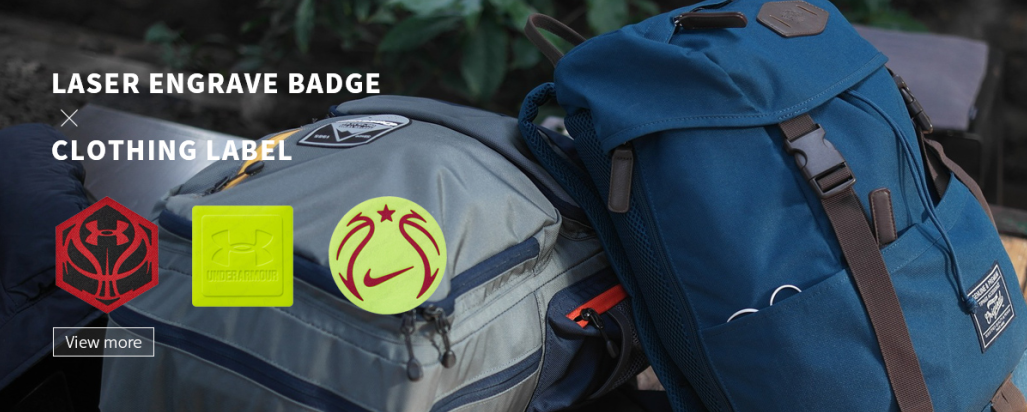
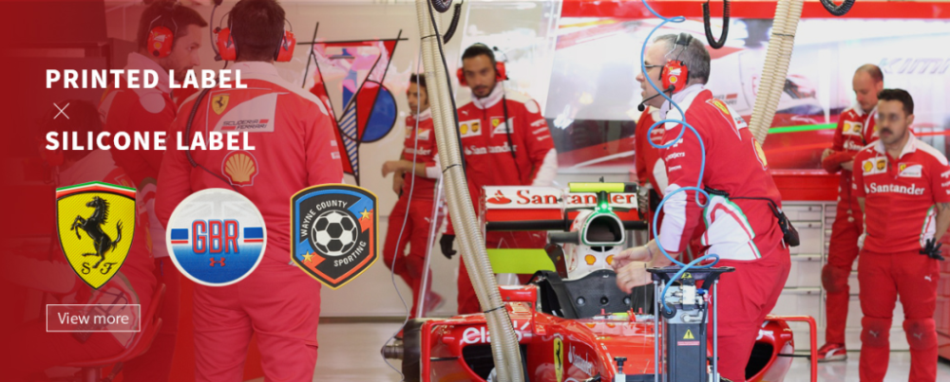
PEPHAWK is proud to highlight our integrated one-stop service—seamlessly combining professional design, R&D, and manufacturing capabilities to deliver cohesive, end-to-end solutions for our valued clients.
Our core product range covers a diverse selection of high-quality accessories and silicone-based items, including:
- Garment Accessories: Silicone Labels, Micro Fiber Labels, TPU Labels, Leather Labels
- Electronic & Lifestyle Gadgets: Silicone Mobile Phone Skins, Silicone MP3 Skins, Silicone Chaplets, Silicone Bracelets
Beyond our core offerings, we also connect clients with complementary products through our trusted affiliated companies, ensuring all your needs are met under one partnership.
What sets us apart is our specialized expertise in key manufacturing processes: Silk Screen Printing, High-Frequency Welding, Sublimation Printing, Seamless Fabric Processing, and Laser Cutting. These capabilities allow us to serve a wide array of industries—from garments, shoes, caps, and gloves to electronic devices, bags, and sporting equipment—with products that blend durability, functionality, and aesthetic appeal.
At PEPHAWK, customer satisfaction is our top priority. We’re committed to providing responsive, thorough support, and guarantee a same-day response to all inquiries—no exceptions. You can rely on us for consistent quality, reliable delivery, and a partnership that’s as efficient as it is trustworthy.
Whether you’re looking for custom apparel labels, protective silicone skins, or tailored manufacturing solutions, PEPHAWK has the expertise and flexibility to bring your vision to life.
Beyond Stitches & Ink: The Hidden Magic of Sublimated Patches
Personalized Iron On Tags – Roles in Apparel & Key Advantages




SEND MESSAGE