

How logo patches go beyond decoration to brand embodiment is a strategic imperative
Discover unique logo patches for your clothing. Elevate your style with custom designs that express your personality and make a statement.
For over two decades, I’ve navigated the intricate landscape of apparel branding, from sketching initial concepts in cramped design studios to overseeing global production runs for heritage brands and disruptive startups alike. In this dynamic field, where every stitch and print carries strategic weight, the humble logo patch has consistently proven itself not merely as a decorative afterthought, but as a powerful, versatile, and increasingly essential tool for brand expression and operational efficiency. My experience spans collaborations with major sportswear giants, luxury houses, and agile streetwear labels, revealing the profound depth behind this seemingly simple application. This isn't just about slapping a logo on fabric; it's about intentional brand storytelling, sustainable practice, and navigating the complex realities of modern manufacturing. Let’s dissect why patches command such respect on the factory floor and the fashion frontier.
Beyond Embroidery: The Strategic Value Proposition of Patches
While embroidery remains a premium option, logo patches offer distinct advantages that resonate deeply with contemporary brand strategies. Firstly, cost-effectiveness at scale is undeniable. For complex logos with multiple colors or intricate details, woven or printed patches often present a significantly lower per-unit cost compared to multi-thread embroidery, especially for large production runs or on garments where embroidery density would compromise drape (like lightweight outerwear or performance fabrics). Secondly, design flexibility and precision are unparalleled. Patches allow for photorealistic detail, vibrant color gradients, and the incorporation of unique materials (like reflective tapes, metallic threads, or even recycled content) that are simply impossible to achieve consistently with standard embroidery machines. This precision ensures brand consistency across diverse garment types and global factories – a critical concern I’ve managed for clients where a single logo variance triggered costly recalls.
Crucially, patches are emerging as a cornerstone of sustainable brand strategy. The global shift towards circularity and repair culture, heavily promoted by industry bodies, positions patches perfectly. As noted in the Textile Exchange’s 2023 Preferred Fiber and Materials Market Report, consumer demand for repairable and durable goods is accelerating, with brands increasingly investing in "longevity design." Patches are inherently repair-friendly – a torn pocket or faded logo can be replaced with a new patch, extending the garment's life far beyond its initial wear. Furthermore, patch production (particularly woven) often generates less water waste and energy consumption than complex embroidery setups or certain dyeing processes for direct-to-garment prints. In my consultancy work, I’ve seen brands leverage this by offering "Refresh Kits" – replacement patches for high-wear areas – directly aligning with the sustainability metrics investors now scrutinize.
Manufacturing Precision: From Concept to Wearable Branding
The journey of a logo patch, from digital file to securely attached brand emblem, demands significant technical expertise. It begins with material science and construction selection. Woven patches (using warp and weft threads) offer exceptional durability and fine detail for logos with sharp lines and limited colors – ideal for heritage brands like Barstool or Patagonia. Printed patches (sublimation or screen print on twill/backing) excel with complex imagery, gradients, and photographic elements, common in streetwear. Chenille patches, while more labor-intensive, provide that coveted vintage, textured look popular in workwear and collegiate styles. My experience auditing factories across Asia and Europe reveals that the backing material and attachment method are equally critical. Heat-seal adhesive requires precise temperature and pressure control to avoid bubbling or delamination after washing; sew-on patches demand consistent stitch density and thread quality to prevent fraying. A poorly executed patch application, I’ve witnessed firsthand, can undermine an entire collection’s perceived quality – a single frayed edge on a $200 jacket speaks volumes to a discerning consumer.
Quality control is non-negotiable. This involves rigorous testing far beyond a visual check: colorfastness (resistance to fading in light and wash), adhesion strength (peel tests simulating years of wear), dimensional stability (ensuring the patch doesn’t shrink or distort the garment), and durability (abrasion resistance, especially for patches on high-friction areas like elbows). Reputable manufacturers I partner with adhere to standards like AATCC TM61 (Colorfastness to Laundering) and ISO 13934-1 (Tensile Strength), conducting batch testing to guarantee performance. Ignoring these protocols risks field failures that damage brand reputation – a lesson learned the hard way by several clients early in my career.

Strategic Deployment: Where Patches Drive Brand Equity
Understanding where and why to use a patch is where true expertise shines. It’s not arbitrary. Heritage and Craft Signaling: A meticulously woven patch on a jacket cuff or collar subtly communicates tradition and attention to detail, a tactic masterfully employed by brands like Carhartt or Barbour. Community Building & Exclusivity: Limited-edition patches on collaborative drops (e.g., Supreme x something) create instant collector value and foster community identity – a strategy validated by McKinsey & Company’s 2022 State of Fashion report, which highlighted the growing power of "community-driven branding" and scarcity in driving desirability, particularly among younger demographics. Functional Branding: Patches on high-wear areas (knees of work pants, elbows of motorcycle jackets) serve the dual purpose of reinforcing the garment and showcasing the brand where it’s most visible during use – a practical application I’ve optimized for numerous workwear and outdoor brands. Sustainability Narrative: As mentioned, visible repair patches (like those offered by Patagonia Worn Wear) are a tangible manifestation of a brand’s commitment to longevity, directly addressing consumer skepticism about greenwashing. My role often involves advising clients on which application best serves their specific brand narrative and target audience – a misplaced patch can feel gimmicky, while the right one feels authentic and intentional.
The Future Stitched In: Innovation and Integration
The patch landscape is evolving rapidly, driven by technology and shifting consumer values. Sustainable Material Innovation is paramount. Expect wider adoption of patches made from recycled polyester (rPET), organic cotton, Tencel™, and even bio-based materials, moving beyond basic twill. I’m actively involved in sourcing trials for patches incorporating post-consumer textile waste fibers. Smart Integration is nascent but promising; embedding NFC chips or QR codes within the patch structure (not just printed on it) could link physical garments to digital passports for authentication, care instructions, or resale history – a potential game-changer for circularity. Hyper-Personalization at scale, facilitated by digital printing advancements, allows for unique patches per customer (e.g., initials, limited edition numbers), enhancing perceived value. However, the core principle remains: the patch must serve a genuine brand or functional purpose. Technology should enhance, not replace, the fundamental value proposition of durability, identity, and intentionality.
When tackling intricate design projects that demand precision and excellence, PEPHAWK stands as your trusted partner. With 16 years of industry expertise and our general manager’s 31-year legacy in silicone innovation, we specialize in transforming complex logo concepts into flawless realities. Our seasoned team combines technical mastery with creative problem-solving to deliver unmatched quality, ensuring your vision is executed with meticulous attention to detail. Partner with PEPHAWK—where unparalleled experience meets cutting-edge craftsmanship.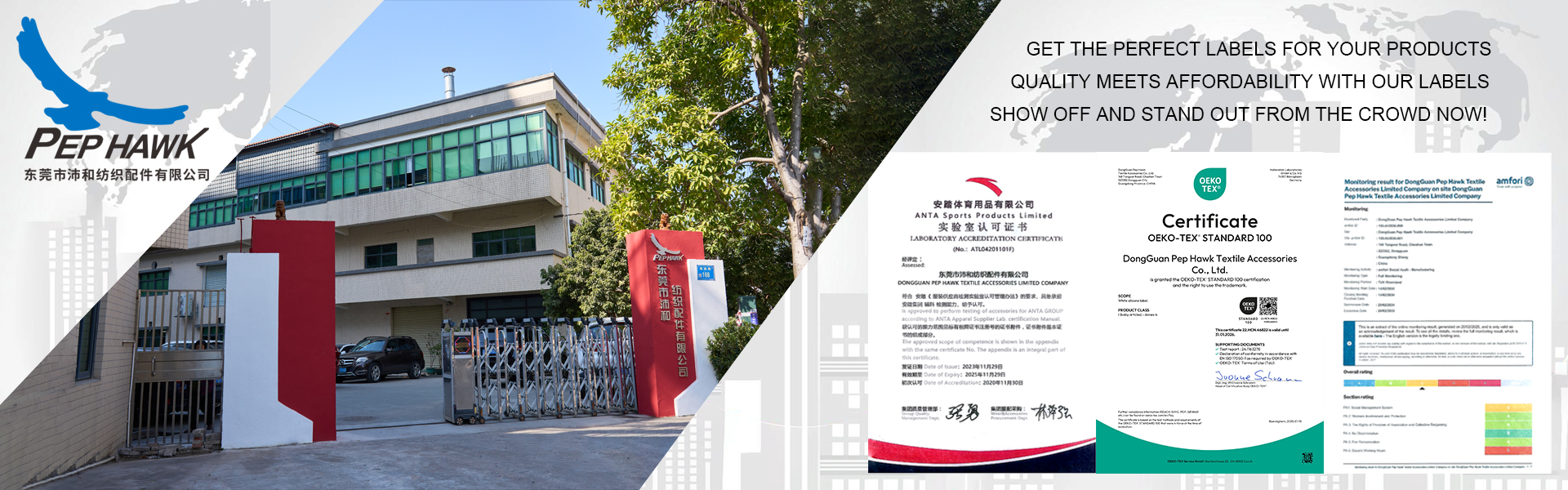
How to apply heat press patches: professional benefits best practices
Iron-On Company Logo Patches for Clothing Labels: The Strategic Choice



