

How Do I Choose the Right Logo Style on Clothes
2025-01-10
Transform your brand with a stunning logo. Our website offers essential tips and inspiration for designing a logo on clothes that captures your vision and values.
In the fashion-forward world of business and personal branding, the logo on your clothes is more than just a decoration; it's a powerful statement. Whether you're outfitting a team, launching a clothing line, or simply looking to make a sartorial splash, choosing the right logo style on clothes can be the difference between blending in and standing out. So, let's unravel the secrets to making that perfect logo choice.
Know Your Logo on Brand Identity
Before you even start eyeing different logo designs, you need to have a crystal-clear understanding of your brand's identity. Are you a high-energy, innovative tech startup? Or perhaps a heritage brand steeped in tradition?
For a young, trendy fitness app, a logo on workout gear might feature bold, dynamic shapes and vibrant neon colors. It screams modernity and the drive to push limits, resonating with fitness enthusiasts who are all about that active lifestyle. On the other hand, a family-owned jeweler with decades of history would opt for an elegant, refined logo. Maybe a delicate script font with a touch of gold foil detailing on a silk scarf or a lapel pin, exuding luxury and craftsmanship. Knowing who you are as a brand is like having a compass; it guides you in the right direction when it comes to logo style.
Consider the Logo on Garment Type
Not all logos look good on every type of clothing. The fabric, cut, and purpose of the garment play a crucial role in logo selection.
For a casual T-shirt, a large, graphic logo with a fun, illustrative style can work wonders. It turns the shirt into a wearable billboard, perfect for promoting a music festival or a new streetwear brand. But on a formal business shirt, that same oversized, flashy logo would be a major faux pas. Instead, a small, discreet embroidered logo near the cuff or on the chest pocket adds a touch of sophistication.
Think about a sportswear jersey. It demands a logo that's not only visible from afar but also flexible enough to move with the athlete. A lightweight, breathable logo made with athletic-friendly materials and bold, contrasting colors is a must. It's all about matching the logo to the garment's personality and functionality.
Target Audience Appeal: Who Are You Dressing For?
Your logo on clothes should speak directly to your target audience. Different demographics have different tastes and preferences.
If you're targeting fashion-forward millennials, a logo with a trendy, minimalist design, perhaps incorporating elements like geometric patterns or abstract art, on a pair of trendy jeans or a crop top, will catch their eye. They appreciate understated cool and the ability to make a statement without being too flashy.
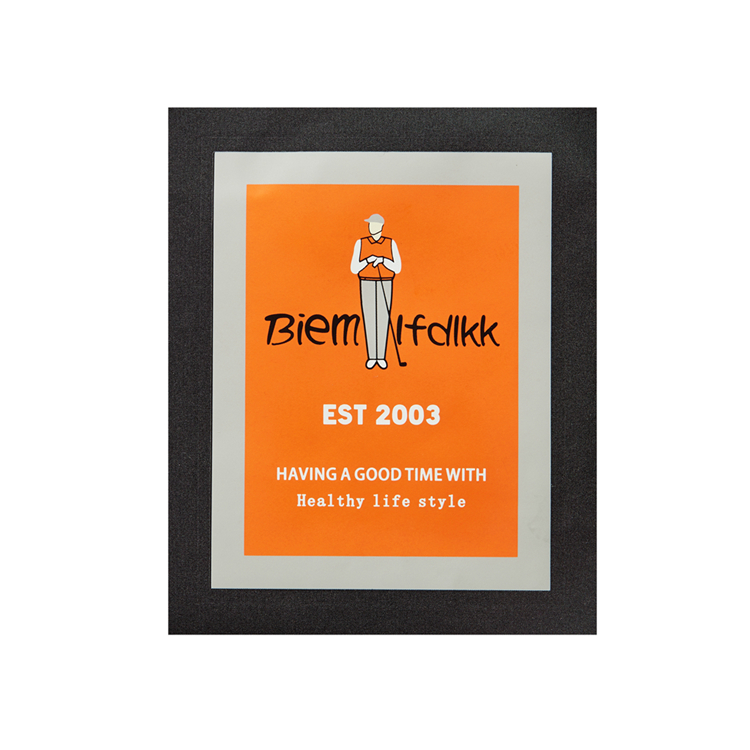
Conversely, for a brand catering to middle-aged professionals, a classic, serif-font logo in muted tones on a high-quality blazer or a woolen sweater conveys reliability and professionalism. It shows that you understand their needs and style sensibilities. Tailoring your logo to your audience is like serving them their favorite dish; it satisfies their appetite for style.
Color Harmony: Making It Pop
The colors you choose for your logo on clothes can make or break the overall look. It's not just about picking your brand's signature colors; it's about creating a harmonious blend.
For a summer clothing line, a logo in soft pastel hues, like baby blue and mint green, on a lightweight cotton dress or a linen shirt, creates a fresh, airy feel. It complements the season and the fabric, making the wearer look and feel cool.
In contrast, a winter collection might feature a logo in rich, warm colors, such as burgundy and deep navy, on a cozy knit sweater or a wool coat. This adds a touch of luxury and warmth during the colder months. And don't forget about contrast. A white logo on a black shirt can create a bold, eye-catching effect, while a logo that blends too much with the garment color will get lost in the shuffle.
Logo Size and Placement: Strategic Decisions
Getting the size and placement of your logo right is an art in itself. Too big, and it can overpower the garment; too small, and it won't make an impact.
On a baseball cap, a centered, medium-sized logo on the front is the classic choice. It's visible without being obtrusive and instantly recognizable. But on a tote bag, you might want to go for a larger logo that spans across the side or the front, making a statement as the wearer walks around.
For a dress shirt, as mentioned earlier, a small logo near the collar or cuff is tasteful. The key is to consider the garment's focal points and how the logo can enhance, rather than detract from, the overall design. It's like placing a piece of jewelry; you want it to accentuate, not overshadow.
Versatility and Adaptability
In today's fast-paced world, we often need our clothes to serve multiple purposes. The same goes for the logo on them. A logo that looks great on a day-to-day basis but can also be dressed up or down is a winner.
For example, a simple, clean logo on a basic white T-shirt can be paired with jeans for a casual weekend look, or tucked into a skirt and accessorized for a more formal occasion. It's like having a wardrobe staple that transitions effortlessly. Consider how your logo will fare in different settings and outfits, ensuring it remains relevant and stylish.
Trend Awareness: Keeping Up with the Fashion Curve
Fashion is constantly evolving, and your logo on clothes should stay in step. Keeping an eye on the latest trends can give you an edge.
Currently, there's a trend towards sustainable fashion, and logos that incorporate eco-friendly elements, like recycled symbols or plant motifs, on organic cotton or hemp clothing, resonate with the environmentally conscious crowd. Another emerging trend is the use of holographic or iridescent logos for a futuristic, eye-catching look.
By staying informed, you can ensure your logo on clothes is not only current but also ahead of the curve, attracting the attention of the trendsetters.
Durability and Quality: Built to Last
Your logo on clothes needs to withstand the test of time and wear. A logo that fades after a few washes or peels off easily is a major turn-off.
Invest in high-quality printing or embroidery techniques. For activewear, where the logo is subjected to sweat, stretching, and frequent laundering, advanced heat-transfer or sublimation printing might be the way to go. For more formal wear, hand embroidery or high-quality machine embroidery adds a touch of luxury and ensures longevity.
It's like buying a good pair of shoes; you want them to look great even after months of use.
In conclusion, choosing the right logo style on clothes is a blend of understanding your brand, considering the garment, appealing to your audience, playing with colors, getting the size and placement right, ensuring versatility, staying trendy, and investing in durability. By hitting all these marks, you'll create a logo on clothes that becomes a symbol of your brand's success, a fashion statement that turns heads and makes a lasting impression. As the fashion world spins on, those who master the art of logo styling on clothes will be the ones leading the style parade.
A Guide to Purchasing Fabric Labels on Garments
Why is logo visibility important on promotional products




SEND MESSAGE