

How does debossing differ from embossing in logos
2025-01-14
Explore our logo debossing services to give your brand a distinctive edge. Achieve a refined look that resonates with your customers and enhances brand loyalty.
In the world of logo design and brand representation, the tactile and visual impact of a logo can significantly influence how a brand is perceived. Debossing and embossing are two techniques that add depth and dimension to logos, but they achieve this in distinct ways. Understanding the differences between debossing and embossing is crucial for businesses aiming to make a memorable impression with their logo presentation.
Visual Appearance
Debossing
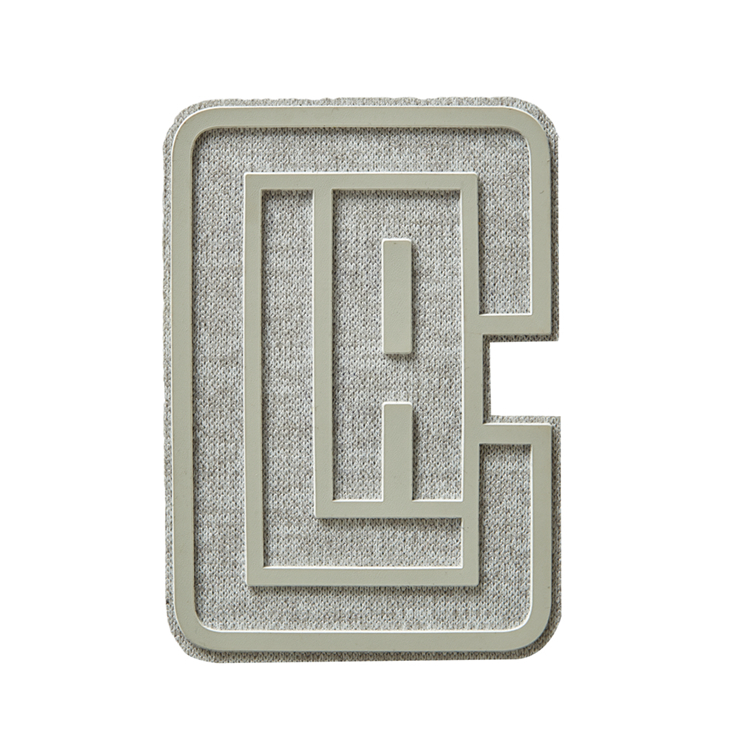
Debossing creates a recessed or indented effect on the surface of the material. When a logo is debossed, it appears as if it has been pressed into the substrate. For example, on a leather wallet with a debossed logo, the logo sits below the surface level. This gives the logo a more subtle and sophisticated look. The contrast between the indented logo and the surrounding surface creates a play of light and shadow. In low - light conditions, the debossed areas may appear darker, adding an air of mystery and elegance.
Embossing
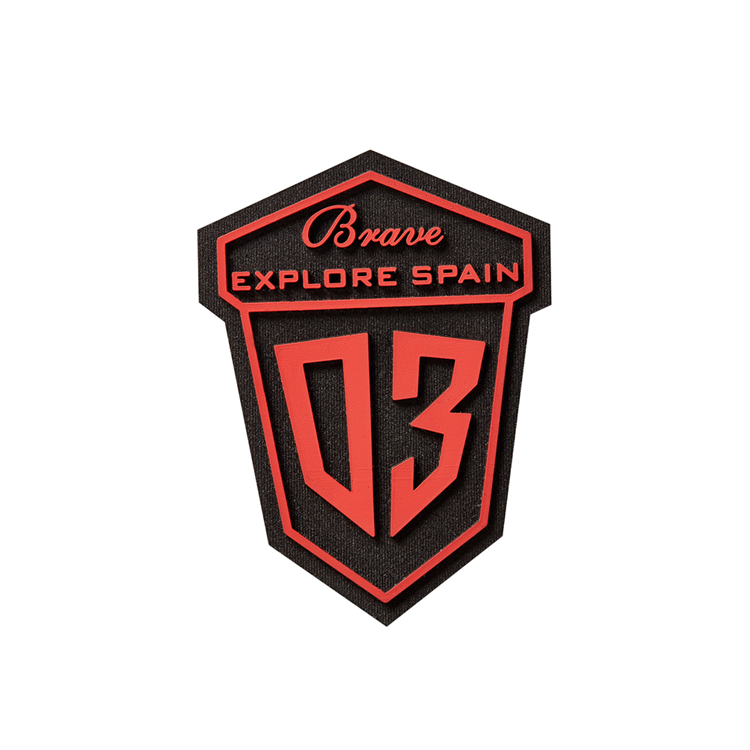
Embossing, on the other hand, raises the logo above the surface of the material. A logo embossed on a business card, for instance, stands out prominently. The raised areas catch the light, creating a highly visible and eye - catching effect. The three - dimensional nature of an embossed logo makes it pop, and it can be seen from different angles with relative ease. In well - lit environments, embossed logos can be quite dazzling, reflecting light in various directions.
Tactile Experience
Debossing
The debossed logo offers a smooth, sunken feel. When you run your fingers over a debossed logo on a piece of paper or a fabric, you can feel the indentation. This tactile experience can be quite luxurious, especially on high - end products. For example, a luxury brand might use debossing on their product packaging to convey a sense of exclusivity. The gentle depression of the logo under your fingertips gives the impression of a carefully crafted and refined item.
Embossing
Embossed logos provide a raised, textured feel. Touching an embossed logo on a leather notebook cover, you can clearly feel the shape of the logo standing proud of the surface. This tactile experience can be very satisfying, as it gives a sense of quality and durability. The raised logo also adds an element of interest, making the product more engaging to interact with on a physical level.
Material Compatibility
Debossing
Debossing works well with a variety of materials, but it is particularly effective on softer materials. Leather is a prime candidate for debossing, as the material can easily be indented without cracking. Paper, especially thick and high - quality paper stocks, also responds well to debossing. For example, a wedding invitation with a debossed logo on thick cardstock can add a touch of elegance. However, debossing on harder materials like metal or thick plastic can be more challenging and may require specialized equipment.
Embossing
Embossing is suitable for a wide range of materials, including paper, cardboard, leather, and even some plastics. It can be used to enhance the look of a logo on a cardboard box, making it more appealing on store shelves. Metal embossing is also possible, although it often requires more force and specific machinery. In general, embossing can be applied to materials that can withstand the pressure required to raise the logo without deforming or breaking.
Production Process and Cost
Debossing
The debossing process involves using a die that is pressed into the material. The die has a negative impression of the logo, and when pressure is applied, the material is pushed into the die, creating the debossed effect. The cost of debossing can vary depending on factors such as the complexity of the logo, the material being used, and the quantity of items to be produced. For small - scale production, the setup cost for the die can be relatively high, but for larger orders, the cost per unit can be more reasonable.
Embossing
Embossing also uses a die, but in this case, the die has a positive impression of the logo. The die is pressed onto the material, forcing the material to conform to the shape of the die and creating the raised effect. Similar to debossing, the cost of embossing depends on factors like logo complexity, material, and production volume. Embossing can sometimes be more expensive than debossing, especially when dealing with intricate designs or when using premium materials that require extra care during the embossing process.
Brand Image Association
Debossing
Debossing is often associated with luxury, sophistication, and understated elegance. Brands that want to project a high - end image, such as luxury fashion houses or premium spirits brands, may choose debossing for their logos. The subtlety of the debossed logo gives the impression of a brand that values quality and refinement over flashiness.
Embossing
Embossing, on the other hand, is associated with strength, durability, and prominence. Brands in the construction, automotive, or industrial sectors may opt for embossing to convey a sense of reliability and power. A construction company might use an embossed logo on their equipment or company vehicles to project a strong and confident image.
Conclusion
Debossing and embossing are two powerful techniques that can transform a simple logo into a visually and tactilely engaging element. While debossing offers a more subtle, sophisticated, and luxurious feel, embossing creates a bold, prominent, and durable impression. The choice between the two depends on various factors, including the brand's desired image, the material being used, the production budget, and the overall marketing strategy. By understanding these differences, businesses can make an informed decision on which technique to use to best represent their brand through their logo.
How can I personalize shirt name tags effectively
What Are the Benefits of Personalized Product Labels




SEND MESSAGE