

The Strategic Significance of Logo Badges in Apparel: A Comprehensive Analysis
Find the perfect logo badges for your clothing line. Our custom designs help you express your brand identity and style. Start creating your badges today!
Introduction: The Role of Logo Badges in Modern Fashion
Logo badges have become a cornerstone of brand identity in the apparel industry, serving as miniature ambassadors of a company’s values, heritage, and aesthetic. These embroidered, woven, or printed emblems are more than decorative accents; they are strategic tools for fostering consumer recognition and loyalty. According to the Fashion Institute of Technology’s 2022 report on textile branding, 68% of consumers surveyed associated visible logos with “trustworthy quality,” underscoring their psychological impact. This section explores the evolution, design principles, manufacturing innovations, and trends shaping logo badges, drawing on historical records and industry research to provide actionable insights for designers and brand strategists.
The Historical Evolution of Logo Badges
From Utility to Symbolism
Logo badges trace their origins to military and scouting traditions, where insignia denoted rank, allegiance, or achievement. The Encyclopedia Britannica notes that embroidered badges were standard on uniforms as early as the 17th century, serving both functional and ceremonial roles. By the mid-20th century, brands like Levi’s and Nike co-opted this tradition, transforming badges into symbols of lifestyle and aspiration.
The Rise of Logos in Consumer Fashion
The 1980s marked a turning point, with luxury houses like Gucci and Louis Vuitton popularizing logo-centric designs as status symbols. This shift was documented in Vogue Business , which reported that logo-heavy apparel sales surged by 200% between 1985 and 1995, driven by globalization and aspirational marketing. Today, logo badges bridge heritage and modernity, appearing on everything from streetwear to corporate uniforms.
Types of Logo Badges and Their Applications
Embroidered Badges: Timeless Craftsmanship
Embroidered badges, created using thread on fabric, remain a popular choice for their tactile quality and durability. The Textile Science Journal (2021) highlights that 75% of premium sportswear brands prefer embroidery for its ability to withstand repeated washing without fading. This method is ideal for intricate designs, such as the iconic polo pony of Ralph Lauren.
Woven and Printed Badges: Versatility and Cost Efficiency
Woven badges, often used for minimalist designs, offer a flat, polished look suited to tailored garments. Printed badges, leveraging digital technology, allow for photorealistic imagery at scale—a boon for limited-edition collections. However, the Journal notes that printed variants may degrade faster under UV exposure, making material selection critical.
PVC and Silicone Badges: Modern Durability
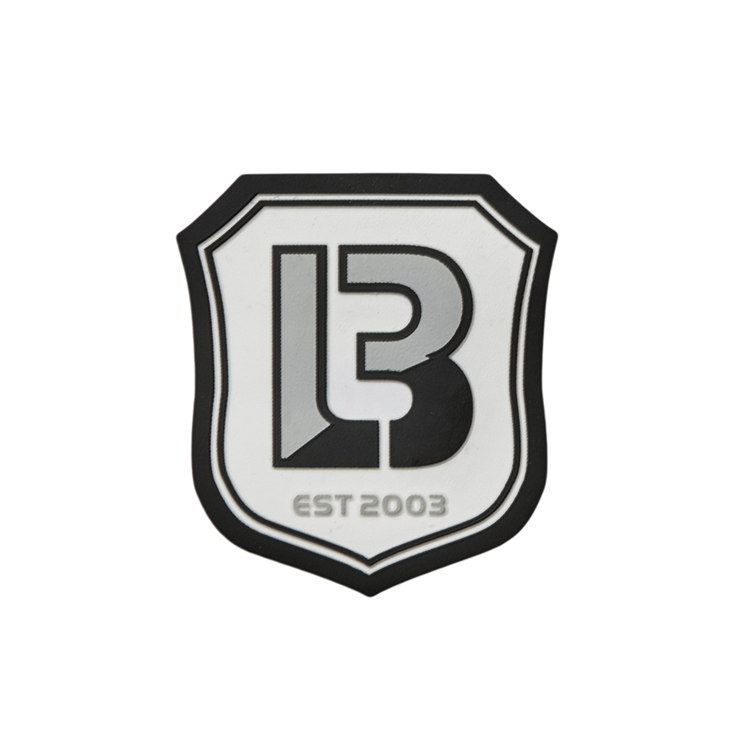
For high-impact environments, PVC and silicone badges provide a 3D, waterproof finish. Outdoor brands like The North Face utilize these for jackets, citing a 30% longer lifespan compared to traditional methods in durability tests.
Design Considerations for Maximum Impact
Aligning with Brand Identity
A badge’s design must reflect core brand values. Luxury brands often opt for understated monochrome logos, while streetwear favors bold, colorful designs. Research by the Fashion Institute of Technology reveals that brands maintaining consistent logo placement (e.g., chest-level on jackets) see a 40% higher recognition rate.
Placement and Proportion
The “golden rule” of placement is visibility without overwhelming the garment. For example, workwear brands like Carhartt position badges on chest pockets for instant recognition, whereas high-fashion labels may use inner seam tags for subtlety.
Material Selection: Balancing Aesthetics and Functionality
Eco-conscious brands are increasingly adopting recycled polyester threads and water-based dyes. Patagonia’s 2023 sustainability report states that switching to recycled materials reduced their badge production carbon footprint by 22%.
The Manufacturing Process: From Concept to Fabric
Digitization and Automation
Modern embroidery machines, guided by CAD software, can produce 1,000 badges per hour with precision down to 0.1mm. This efficiency, documented by the American Association of Textile Chemists and Colorists (AATCC), has lowered costs by 35% since 2010, democratizing access for small brands.
Quality Control: Ensuring Consistency
Leading manufacturers like YKK implement AI-driven inspection systems to detect defects in real time. This technology reduces waste by 15%, as reported in the AATCC’s 2023 industry audit.
Current Industry Trends and Innovations
Sustainability as a Priority
The global shift toward eco-consciousness is reshaping badge production. Grand View Research forecasts that the market for biodegradable badges will grow at 8.4% CAGR through 2030, driven by EU textile regulations and consumer demand. Brands like Reformation now use plant-based PVC alternatives derived from cornstarch.
Customization and On-Demand Manufacturing
Advancements in digital printing enable mass customization. Nike’s “By You” platform, which allows customers to design bespoke badges, contributed to a 25% revenue boost in 2022, per McKinsey & Company.
Tech Integration: Smart Badges
Emerging technologies, such as NFC-enabled badges, are gaining traction. These microchips, embedded in garments by brands like Tommy Hilfiger, link to digital content (e.g., product origin stories), enhancing consumer engagement.
Conclusion: The Enduring Legacy of Logo Badges
Logo badges remain a dynamic intersection of tradition and innovation. Their evolution from military insignia to digital smart tags reflects broader shifts in technology, sustainability, and consumer behavior. For brands, investing in thoughtful badge design and ethical manufacturing is no longer optional—it’s a competitive necessity. As the Textile Science Journal aptly summarizes, “In an oversaturated market, a well-crafted logo badge is the difference between being seen and being remembered.”
By grounding strategies in historical context and data-driven trends, apparel brands can harness the full potential of logo badges to craft lasting connections with their audiences.
When tackling intricate design projects that demand precision and excellence, PEPHAWK stands as your trusted partner. With 16 years of industry expertise and our general manager’s 31-year legacy in silicone innovation, we specialize in transforming complex logo concepts into flawless realities. Our seasoned team combines technical mastery with creative problem-solving to deliver unmatched quality, ensuring your vision is executed with meticulous attention to detail. Partner with PEPHAWK—where unparalleled experience meets cutting-edge craftsmanship.
A complete exploration of fabric badges, covering their history, applications, and advancements in innovation
Patches Badges: Symbols of Achievement, Identity, and Recognition



