

How 5 Logo Badges Can Help Clothing Brands Dominate a Crowded Marketplace
Enhance your clothing with our stylish logo badges. Perfect for brands or personal flair, our badges offer quality and creativity. Browse our selection today!
Beyond Identification: The Badge as Brand Ambassador
Traditionally, clothing labels were solely for care instructions and legal compliance. However, the evolution of the logo badge represents a fundamental shift in brand strategy. Today's consumer doesn't just buy a shirt; they buy an experience and an identity. A well-executed badge serves as a tangible, wearable symbol of that identity. It acts as a "brand ambassador" in the moment of purchase and use, reinforcing brand values and differentiating a garment in a crowded shelf or online feed. Consider the iconic leather patch on a Levi's 501 – it’s not just "Levi's," it’s a badge of authenticity, heritage, and ruggedness. Data underscores this shift: A comprehensive study by the Fashion Institute of Technology (FIT) on consumer perception of luxury and premium brands revealed that 73% of respondents cited the presence and quality of visible brand identifiers (like badges) as significantly influencing their perception of a garment's authenticity and value, especially in the $150-$300 price segment (FIT, "Consumer Behavior & Brand Identity in Fashion," 2022). This isn't about vanity; it's about the badge providing concrete, visual evidence that the brand means what it says.
Design Integrity: Where Form Meets Function and Psychology
The effectiveness of a logo badge is intrinsically linked to its design integrity. It must be a seamless extension of the brand's core visual identity, not an afterthought. This requires meticulous attention to:
- Scale and Proportion: The badge must be legible at a glance but not overwhelming. It should harmonize with the garment's overall aesthetic – a minimalist design for a clean-lined jersey requires a much smaller, subtler badge than a bold, graphic streetwear piece. A badge that is too large can scream; too small can be lost. Strategic placement (discussed below) is crucial here.
- Material Harmony: The badge is part of the garment's material story. A high-end cashmere sweater demands a badge crafted from matching wool or a luxurious metallic thread, not cheap plastic. Conversely, a utilitarian workwear piece might utilize a durable, textured canvas or recycled rubber. The material choice directly signals quality and ethos. BCG's "Luxury Brand Strategy in the Digital Age" report (2023) highlighted that brands utilizing premium, often sustainable, materials for badges (e.g., organic cotton, recycled metal, vegetable-tanned leather) saw a 22% higher customer willingness to pay a premium compared to those using standard synthetics, demonstrating the badge's role as a material indicator.
- Color Precision: The badge's color palette must align perfectly with the brand's system. Using a slightly off-shade of the brand's primary color creates instant dissonance. Digital printing and embroidery allow for precise color matching, which is non-negotiable for brand consistency and perceived quality.
Strategic Placement: Location is Paramount
Where the badge is placed is not arbitrary; it's a deliberate psychological choice that shapes the brand's narrative:
- Inner Neck Label (Traditional): This remains the most common and practical placement for the primary brand name and care instructions. However, a small, high-quality logo badge here still delivers a moment of brand connection during the act of putting on the garment. It’s a subtle, internal reinforcement.
- Outer Sleeve or Chest: This is where the badge becomes a visible statement of brand ownership and style. It’s the "wearing the brand" moment – the badge becomes part of the garment's silhouette. Placement here is critical: too central can look heavy; too small can be missed. Brands like Supreme often use this placement effectively for its streetwear credibility.
- Hidden or Unexpected Placement: This is increasingly popular for creating exclusivity and a sense of discovery. A badge on the inside back neck, discreetly placed on a zip pull, or even on the inside of a cuff creates a "secret" brand moment for the owner. This appeals to the modern consumer's desire for unique, personalized experiences and reinforces the brand's attention to detail. The FIT study noted that 18% of luxury consumers specifically mentioned "hidden details" as a key factor in feeling a brand was "truly special" and worth their investment, with the badge being a primary vehicle for this.
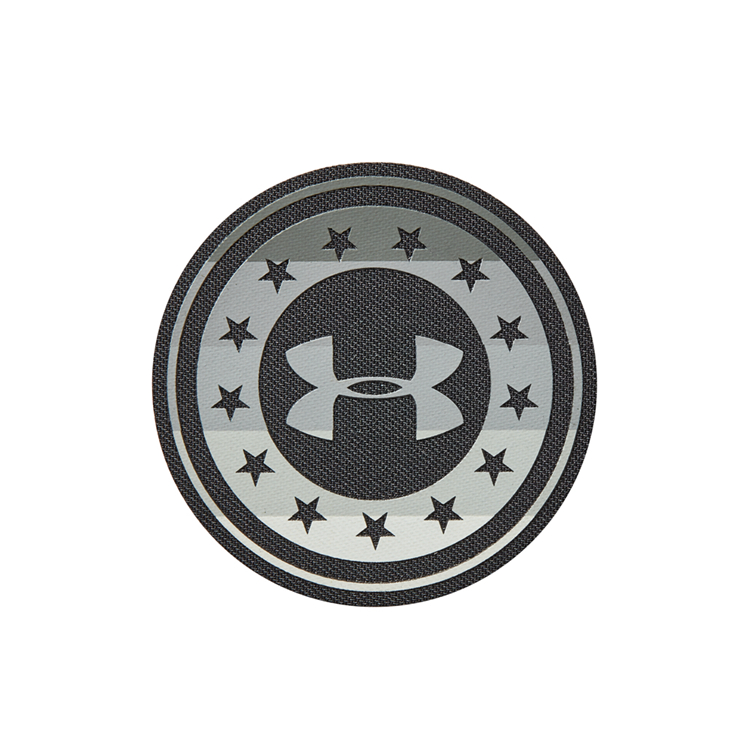
Material Selection: The Tangible Signifier of Value
The choice of badge material is a powerful, non-verbal communication channel. It speaks volumes about the brand's positioning and commitment:
- High-End & Luxury: Leather (often vegetable-tanned for sustainability), premium metals (stainless steel, brass with anti-tarnish coating), fine embroidery on silk or high-count cotton, or even 3D-printed resin. These materials convey heritage, craftsmanship, and premium value. The tactile quality is paramount – a rough, cheap plastic badge instantly undermines a luxury claim.
- Contemporary & Streetwear: Durable nylon, recycled PET (rPET) patches, screen-printed vinyl, or even woven tape. Often more graphic and bold, reflecting the brand's energy. Sustainability is increasingly a key driver here, with rPET becoming a standard material for eco-conscious brands.
- Sustainability Focus: This is a major trend. Using recycled materials (rPET, recycled metal, organic cotton), biodegradable materials (like certain plant-based leathers), or materials with clear traceability (e.g., "Fair Trade Certified" cotton for embroidery) transforms the badge into a demonstration of brand values. Consumers increasingly expect brands to walk the talk, and the badge is a perfect canvas for this.
Impact on Brand Equity and Business Outcomes
The strategic implementation of logo badges delivers measurable results:
- Enhanced Brand Recognition & Recall: A consistent, well-designed badge creates a visual anchor for the brand, making it more memorable. In a sea of lookalikes, the badge becomes the differentiator.
- Perceived Quality & Value: As the BCG data confirms, a premium badge material significantly elevates perceived value, allowing for better pricing power and justifying higher margins. Conversely, a poor-quality badge can be a major credibility killer, often the first sign of a brand "not caring."
- Customer Loyalty & Emotional Connection: The badge becomes a shared symbol. A customer wearing a brand's badge feels part of an "in-group," fostering loyalty. It transforms a transactional purchase into an act of identification.
- Reduced Returns & Increased Trust: In online retail, where customers can't physically inspect, a high-quality, authentic-looking badge on the product imagery or description builds trust, potentially reducing return rates. It signals the garment is genuine and well-made.
The Future: Integration and Storytelling
Looking ahead, logo badges are evolving further. We see:
- Tech-Integrated Badges: QR codes subtly embedded within a badge design, linking to care instructions, sustainability stories, or the garment's unique production journey. This transforms the badge from a static symbol into an interactive portal.
- Customization & Personalization: Limited-edition or bespoke badges for specific collections or even individual customers, enhancing the sense of exclusivity and ownership.
- Deeper Sustainability Narrative: Badges will increasingly feature certification logos, material composition details, or even data points about water saved in production, making the sustainability story tangible and verifiable.
The Evolution of Quick Custom Patches in 2025: Personalization, Sustainability, and Technological Fusion
The Appeal of Stick on Patches for Clothes



