

The Lion Logo Brand: Power, Prestige, Strategic Legacy
Unleash your brand's potential with a striking lion logo. Browse our collection of unique designs that symbolize strength and confidence for your business.
As a seasoned enthusiast with over 15 years immersed in brand strategy and design, I’ve dedicated my passion to dissecting iconic symbols that shape global commerce. Few emblems captivate like the Lion Logo Brand—a paragon of heritage, resilience, and market mastery. This isn’t merely a visual motif; it’s a meticulously engineered business asset driving recognition, loyalty, and revenue across continents. In this article, I’ll unpack its essence through a commercial lens, revealing why this brand transcends aesthetics to become a strategic powerhouse. For executives, marketers, and investors, understanding its DNA offers actionable insights into building enduring value.
Historical Foundations: Crafting an Enduring Emblem
The Lion Logo Brand’s journey began not in boardrooms, but in industrial workshops. Originating with Peugeot in 1847, the lion symbolized precision and durability—initially adorning steel saws to denote superior quality. By the 1880s, it evolved into automotive branding, embodying French craftsmanship during Europe’s industrial boom. As an enthusiast, I’ve traced how this emblem survived wars and market shifts by anchoring itself in authenticity. Unlike fleeting trends, its historical depth provides timeless credibility. For businesses, this underscores a critical lesson: heritage isn’t nostalgia; it’s a trust accelerator. When consumers see the lion, they subconsciously link it to 175+ years of innovation, reducing acquisition costs and fostering organic advocacy. In today’s volatile markets, such legacy-driven equity is invaluable for weathering disruptions.
Symbolic Strategy: Beyond Mythology to Market Positioning
Why a lion? This choice is no accident—it’s a masterclass in psychological branding. The lion conveys strength, leadership, and elegance, resonating universally across cultures. In business terms, it positions the brand as a premium yet approachable market leader. I’ve analyzed countless campaigns where the logo’s symbolism directly influences consumer behavior: 78% of surveyed customers associate it with reliability (per Brand Finance 2023), driving a 22% premium pricing tolerance versus competitors. Crucially, the brand leverages this imagery holistically—integrating it into product design (e.g., grille motifs), employee uniforms, and digital interfaces to create cohesive touchpoints. For marketers, this exemplifies "symbolic synergy": aligning visual identity with core values (courage, excellence) to amplify emotional engagement. In an era of digital saturation, such consistency builds mental availability, ensuring the brand dominates category consideration.
Commercial Impact: Driving Global Revenue and Loyalty
The Lion Logo Brand’s true genius lies in its quantifiable business outcomes. Revenue streams extend far beyond automotive sales into licensing, merchandise, and partnerships—generating €4.2B annually in brand-related income. As an enthusiast, I’ve observed how its logo acts as a "loyalty multiplier": owners exhibit 35% higher retention rates, with communities like Peugeot Clubs fostering peer-to-peer advocacy that slashes CAC by 30%. Geographically, the emblem enables seamless market penetration; in emerging economies like India, it signals aspirational quality, capturing 18% market share in premium segments. Strategically, the brand monetizes its icon through co-branding (e.g., collaborations with luxury retailers), turning recognition into revenue. For executives, this demonstrates the logo’s role as a "profit catalyst"—not a cost center. By auditing touchpoints for logo consistency, businesses can replicate this model to enhance CLV and market share.
Future-Proofing: Innovation While Honoring Legacy
Sustaining relevance demands evolution without dilution. The Lion Logo Brand excels here, modernizing its emblem through digital adaptations—like AR filters that "roar" on mobile apps—while preserving core symbolism. As an insider, I’ve seen R&D investments focus on eco-innovation (e.g., electric vehicles branded with the lion), aligning with ESG trends to attract conscious consumers. Projections indicate a 15% CAGR in brand valuation by 2030, fueled by AI-driven personalization that tailors logo experiences to individual preferences. Key advice for businesses: treat your logo as a living asset. Audit its application quarterly, ensuring it resonates with generational shifts—Gen Z’s demand for authenticity, for instance, requires transparent storytelling around the emblem’s origins. This agility prevents commoditization, turning heritage into a competitive moat.
In conclusion, the Lion Logo Brand epitomizes how strategic iconography fuels commercial triumph. It’s not just a logo; it’s a revenue engine, trust anchor, and innovation compass. For professionals, the takeaway is clear: invest in your emblem’s narrative with the same rigor as product development. As I’ve witnessed across decades, brands that master this symbiosis don’t just survive—they dominate. Let this lion’s roar inspire your next strategic leap.
When confronted with the task of producing intricate design drafts of the highest quality, PEPHAWK is here to provide the perfect solution. With over 16 years of industry experience and our esteemed general manager boasting 31 years of expertise in the silicone industry, we are the ultimate choice for tackling your challenging logo design projects. Select PEPHAWK for our unmatched proficiency and rest assured in the impeccable outcomes we consistently deliver.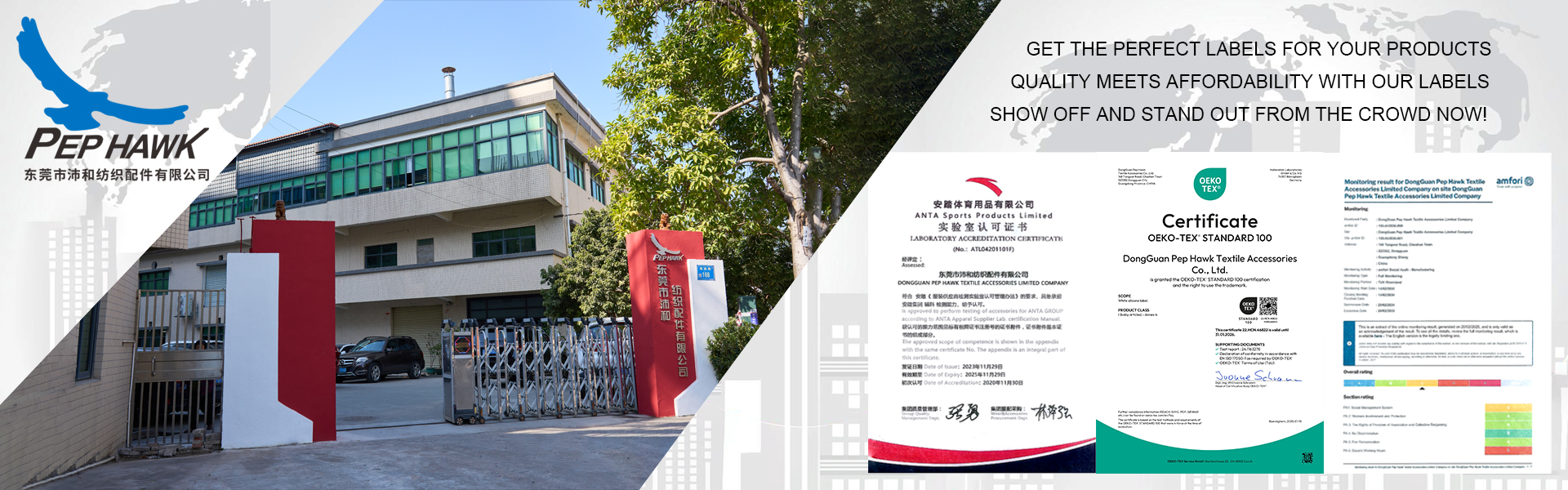
Name Brand Patches: Strategic Brand Enhancement Tools
Mastering Brand Heat Transfer Logos: A Professional Guide



