Leather Patch Showdown: Why Quality, Design & Service Decide Your Perfect Fit
Leather patch essentials: quality, design & service. Discover customization trends, durability insights, and future innovations for DIYers and businesses.
I. Introduction
Leather patches have evolved from utilitarian repair tools to essential components of fashion, customization, and industrial applications. Whether used to mend a torn jacket, personalize a denim vest, or reinforce machinery parts, consumers today demand a balance of functionality, aesthetics, and reliability. This article delves into the critical factors influencing consumer choices in leather patches, focusing on quality, design, after-sales service , and emerging trends . By analyzing these dimensions, businesses can better align their offerings with market demands and gain a competitive edge.
II. Core Decision-Making Criteria
1. Quality: The Foundation of Consumer Trust
Quality remains the paramount consideration for consumers, directly impacting product longevity and satisfaction.
A. Material Selection: Authenticity vs. Cost-Efficiency
-
Genuine Leather vs. Synthetic Alternatives
Genuine leather, derived from animal hides (cowhide, lambskin, or harness leather), is prized for its durability, breathability, and natural texture. However, synthetic leather (PVC or polyurethane-based) offers cost advantages and appeals to eco-conscious buyers seeking cruelty-free options.- Case Example : Luxury fashion brands like Belstaff prioritize vegetable-tanned cowhide for motorcycle jackets, ensuring resilience against abrasion.
- Trade-off : While synthetic patches are 40–60% cheaper, they degrade faster under UV exposure or friction.
-
Eco-Friendly Innovations
Brands like Piñatex (pineapple leather) and Mylo (mushroom-based leather) are reshaping preferences, catering to Gen Z and millennial consumers who prioritize sustainability.
B. Manufacturing Standards: Precision Matters
- Edge Finishing : High-end patches feature burnished or sealed edges to prevent fraying, while budget products often cut corners here.
- Stitching Integrity : Double-stitched seams or reinforced thread (e.g., bonded nylon) enhance tear resistance.
- Surface Treatments : Water-resistant coatings (e.g., Scotchgard) or UV inhibitors extend lifespan, especially for outdoor use.
C. Durability Metrics
Consumers increasingly rely on standardized tests to assess quality:
- Taber Abrasion Test : Measures wear resistance; scores above 500 cycles indicate premium quality.
- Tensile Strength : Minimum 10 N/mm² for heavy-duty applications (e.g., motorcycle gear).
- Elongation & Recovery : Premium leather retains <5% deformation after stress.
2. Design: Balancing Functionality and Aesthetics
A. Functional Design Considerations
-
Shape and Thickness
- Round/Square Patches : Ideal for small tears or decorative accents.
- Custom Die-Cut Shapes : Required for complex repairs (e.g., elbow patches on blazers).
- Thickness Ranges :
- Thin (0.5–1.2mm) : Subtle integration into garments.
- Thick (2–4mm) : Industrial-grade reinforcement.
-
Adhesive vs. Sew-On Options
- Adhesive patches (e.g., iron-on or peel-and-stick) cater to DIY enthusiasts but may lack longevity.
- Sew-on patches, though labor-intensive, offer superior durability.
B. Aesthetic Design Trends
-
Color Matching
Consumers demand precise Pantone-matched patches, especially for luxury items. Brands like Tandy Leather provide 20+ color options, including metallic finishes. -
Texture & Embellishments
- Matte vs. glossy finishes align with seasonal fashion trends.
- Laser-engraved patterns or embossed logos elevate perceived value.
-
Cultural and Subcultural Symbolism
- Biker communities favor skull or eagle motifs.
- Streetwear brands incorporate graffiti-style patches for urban appeal.
C. Customization Demand
Personalization has become a $2.3 billion niche market (Grand View Research, 2023):
- Embroidery & Printing : Up to 80% of consumers prefer initials or logos.
- Precision Cutting : Laser technology enables intricate designs within ±0.1mm tolerance.
3. After-Sales Service: Enhancing Customer Lifetime Value
Post-purchase support differentiates leaders like Patchwork International from generic suppliers.
A. Return Policies & Warranty
- Defect Coverage : Leading brands offer 30–90 day warranties for peeling or discoloration.
- Size Exchange Flexibility : Free returns for ill-fitting patches (e.g., Amazon’s 1-year return window).
B. Usage Guidance
- Installation Tutorials : Step-by-step videos reduce DIY errors.
- Maintenance Kits : Include leather conditioners and cleaning brushes.
C. Long-Term Engagement
- Loyalty Programs : Tiered discounts for repeat buyers.
- Repair Services : Some brands (e.g., Filson) offer lifetime patch replacements for registered customers.
4. Hidden Drivers: Brand Reputation and Accessibility
A. Trust Through Certification
- Quality Labels : ISO 9001 (manufacturing standards) and REACH (chemical safety) certifications sway 67% of EU buyers.
- Social Proof : Verified reviews and influencer endorsements (e.g., YouTube tutorials) drive conversions.
B. Price Sensitivity Segmentation
- Premium Segment : Willing to pay 3x more for exotic leathers (e.g., ostrich or stingray).
- Value Segment : Prioritize multipacks (e.g., 10 assorted patches for $15).
C. Distribution Channels
- E-Commerce Dominance : Alibaba and Etsy host 12,000+ patch SKUs, but physical retail (e.g., REI stores) allows tactile assessment.
III. Diverse User Personas and Their Priorities
1. Everyday Consumers
- Focus : Ease of use and affordability.
- Example : A parent repairing a child’s jeans opts for $5 iron-on patches with pre-attached backing.
2. DIY Enthusiasts
- Focus : Creative freedom and material versatility.
- Example : Crafters on Reddit’s r/leatherworking seek vegetable-tanned leather for hand-stitched projects.
3. Corporate Buyers
- Focus : Bulk pricing and brand consistency.
- Example : A workwear manufacturer orders 5,000 embroidered patches/month for uniforms.
IV. Industry Pain Points and Strategic Solutions
1. Challenges
- Counterfeit Materials : 30% of Alibaba listings mislabel synthetic leather as “genuine.”
- Customization Delays : Average 14-day lead time for bespoke patches frustrates urgent users.
- Fragmented Support : Rural customers lack access to physical service centers.
2. Remedies
- Blockchain Traceability : Scan QR codes to verify leather sourcing (e.g., IBM Food Trust technology).
- AI Design Tools : Platforms like CLO3D enable instant virtual prototyping, cutting production time by 50%.
- Localized Hubs : Establish regional warehouses in Southeast Asia and Latin America to reduce shipping delays.
V. Future Outlook
1. Technological Advancements
- 3D Printing : Custom-fit patches printed on-demand using biodegradable polymers.
- Smart Patches : Embedded NFC chips for product authentication (e.g., Louis Vuitton luggage tags).
2. Service Evolution
- Subscription Models : Monthly patch kits for seasonal wardrobe updates.
- AR Try-On : Virtual placement apps (e.g., Snapchat integrations) minimize purchase errors.
Conclusion
The leather patch market thrives at the intersection of craftsmanship and innovation. By prioritizing material integrity , design adaptability , and customer-centric services , brands can capture loyalty in an era of hyper-personalization. As sustainability and digital tools redefine expectations, proactive adaptation will separate market leaders from commoditized players.
When confronted with the task of producing intricate design drafts of the highest quality, PEPHAWK is here to provide the perfect solution. With over 16 years of industry experience and our esteemed general manager boasting 31 years of expertise in the silicone industry, we are the ultimate choice for tackling your challenging logo design projects. Select PEPHAWK for our unmatched proficiency and rest assured in the impeccable outcomes we consistently deliver.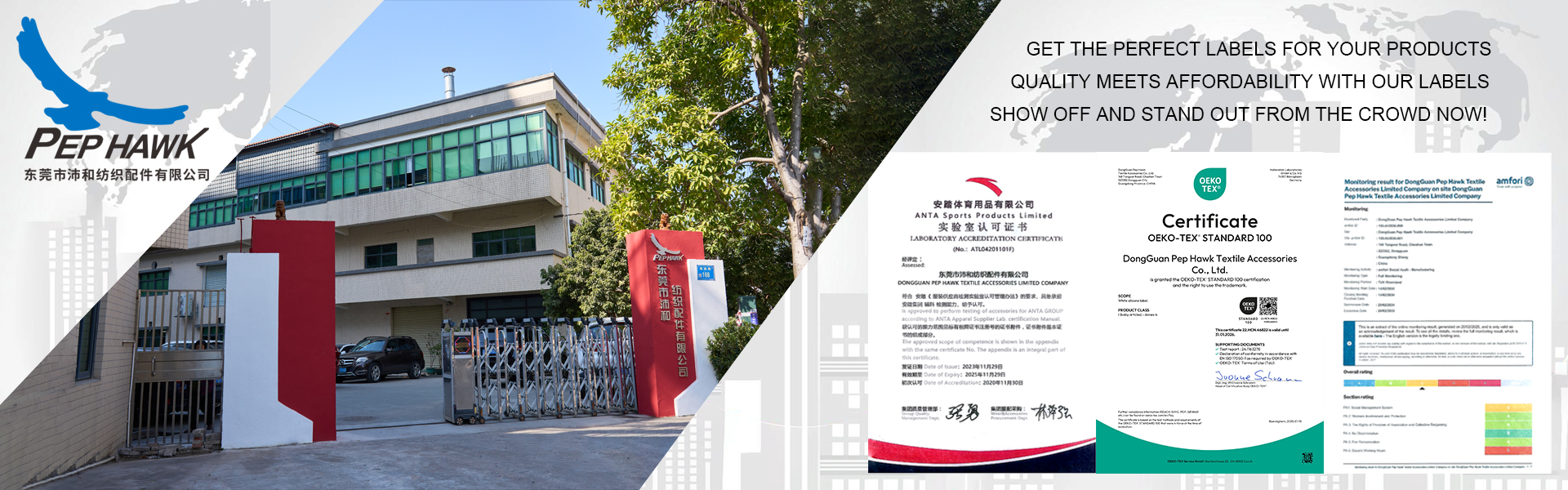
The Reebok Logo: 40 Years of Arrows, Athletes, and Attitude
These 5 Mistakes Are Destroying Your Stitched Patches