Why Leather Patches for Hats Crack
Transform your hats with our exquisite leather patches. Ideal for customization, our patches offer durability and style. Explore our range now!
Understanding the Problem: Why Do Leather Hat Patches Crack?
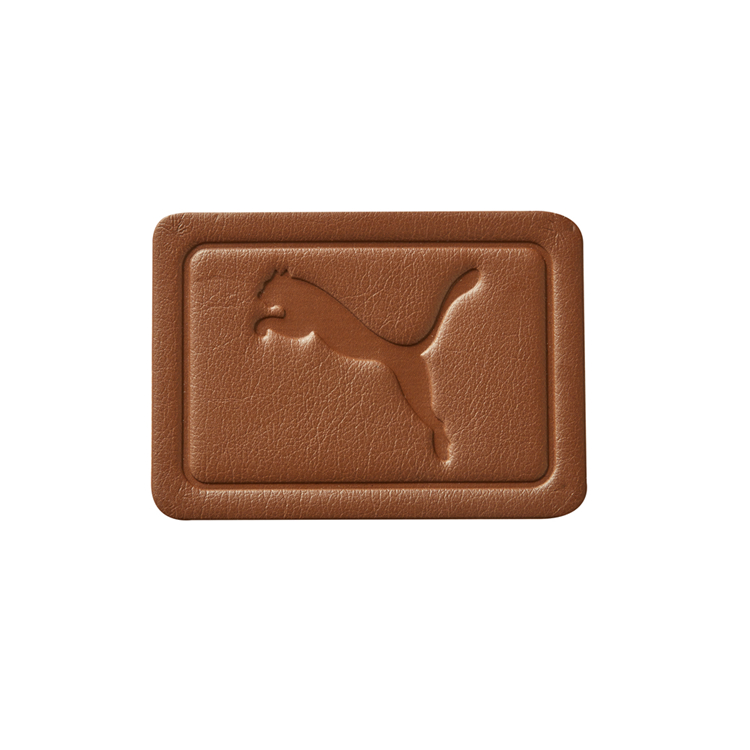
Leather patches are often chosen for their premium look, durability, and versatility in design. However, one common issue that both consumers and retailers encounter is cracking—especially when applied to hats or other headwear exposed to frequent handling, weather changes, and movement.
The primary reason leather patches crack lies in the materials used and the environmental stress they endure. Unlike fabric-based patches, genuine or synthetic leather lacks elasticity. When attached to a curved surface like a hat, repeated bending, folding, or exposure to heat and cold can cause the leather fibers to weaken over time.
This section aims to explore the root causes behind this problem and how product selection and application techniques can mitigate it—offering your customers not only quality but also confidence in long-term performance.
Material Matters: The Role of Leather Quality
Not all leathers are created equal. The type and thickness of leather used in patches play a critical role in determining whether they will crack after application.
Low-quality or thin leather patches tend to be more rigid and prone to breaking under pressure. These materials may lack the natural oils or protective finishes needed to maintain flexibility. In contrast, high-quality vegetable-tanned or full-grain leather retains its strength and pliability much longer, even under adverse conditions.
Moreover, synthetic leathers (like faux leather or PU) can mimic the appearance of real leather without offering the same resilience. Many manufacturers cut costs by using thinner or untreated versions, which significantly increase the risk of cracking.
As a supplier or retailer, emphasizing the use of premium-grade leather materials with reinforced backings or UV protection coatings can differentiate your product from cheaper alternatives. Highlighting these features in marketing content builds trust and positions your brand as a leader in quality customization.
Application Errors: How Installation Impacts Longevity
Even the finest leather patch can fail if improperly applied. One of the most overlooked factors in patch longevity is the installation process .
Hats are not flat surfaces—they are curved, often made from cotton, wool, or polyester blends, and subject to constant shape changes due to wear and storage. If the leather patch is applied without proper preparation, such as pre-bending or contour cutting, the tension caused by the curve can lead to stress fractures over time.
Additionally, improper heat settings during iron-on applications or insufficient adhesive bonding can result in uneven adhesion. This leads to areas of the patch lifting prematurely, increasing vulnerability to cracks.
Educating your customers on correct installation methods—such as using a heat press for consistent pressure, applying patches to pre-molded surfaces, or opting for sew-on options for better flexibility—can greatly reduce returns and complaints. Offering step-by-step guides or instructional videos further enhances customer satisfaction and reduces perceived risks.
Environmental and Usage Factors That Accelerate Damage
Beyond material and application, external elements also contribute significantly to leather patch deterioration.
Frequent exposure to sunlight , moisture , and temperature fluctuations can dry out the leather, accelerating the aging process. Similarly, hats are often worn outdoors and stored in compact spaces, leading to repeated compression and friction that strain the patch material.
Another key factor is physical handling . People often adjust their hats, touch the patches, or store them folded—each action placing additional stress on the leather's surface.
To combat these issues, consider offering UV-protected, water-resistant, or treated leather patches that resist drying and discoloration. Alternatively, combining leather with flexible backing materials like felt or foam can absorb some of the mechanical stress and reduce the likelihood of cracks forming.
Highlighting these innovations in your SEO and marketing content positions your products as solutions to real-world problems, making them more appealing to discerning buyers.
Our Solution: How We Prevent Leather Patch Cracking
At [Your Brand Name], we understand the challenges associated with traditional leather patches. That’s why we’ve developed a line of premium, flexible leather patches specifically designed for use on curved surfaces like hats.
Our patches are crafted from top-grain leather with added flexibility treatments that allow them to conform to contours without compromising aesthetics. Each patch undergoes rigorous stress testing , including bending, stretching, and climate simulation, to ensure long-term durability.
We also provide custom contour-cutting services , ensuring each patch fits perfectly on the intended surface. For clients who prefer DIY application, our packaging includes detailed instructions tailored to different hat materials and application methods.
By focusing on material innovation , precision manufacturing , and customer education , we deliver leather patches that don’t just look great—they last.
Conclusion: Choose Premium, Not Just Leather
In the competitive world of custom apparel and accessories, product differentiation comes down to details. Leather patches offer a timeless aesthetic, but without attention to quality, application, and environmental resistance, they can quickly become a liability.
Choosing high-performance leather patches means investing in longevity , brand reputation , and customer loyalty . Whether you're a manufacturer, retailer, or reseller, understanding and communicating the reasons behind leather patch cracking—and how to prevent it—sets your business apart.
Let your customers know that with the right materials, proper application, and smart design, leather patches can be both beautiful and durable. Position yourself as the go-to source for high-quality, crack-resistant leather patches for hats and beyond.
When tackling intricate design projects that demand precision and excellence, PEPHAWK stands as your trusted partner. With 16 years of industry expertise and our general manager’s 31-year legacy in silicone innovation, we specialize in transforming complex logo concepts into flawless realities. Our seasoned team combines technical mastery with creative problem-solving to deliver unmatched quality, ensuring your vision is executed with meticulous attention to detail. Partner with PEPHAWK—where unparalleled experience meets cutting-edge craftsmanship.
How to Design Embroidered Name Patches That Boost Brand Recognition Instantly
How to Apply Iron On Letter Patches in 3 Steps